What Does a Skillet Look Like
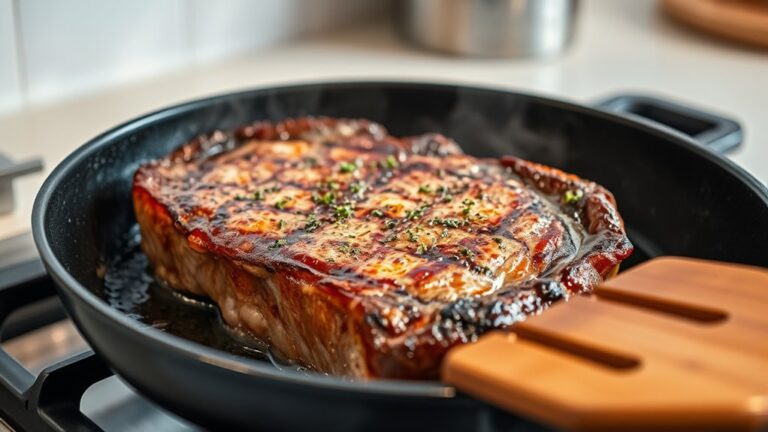
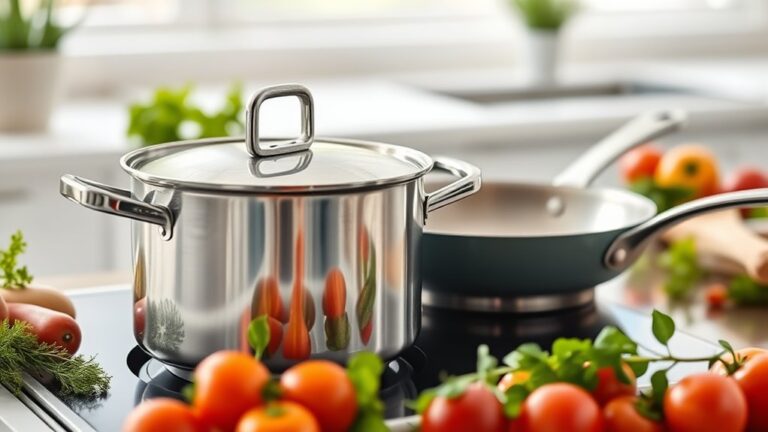
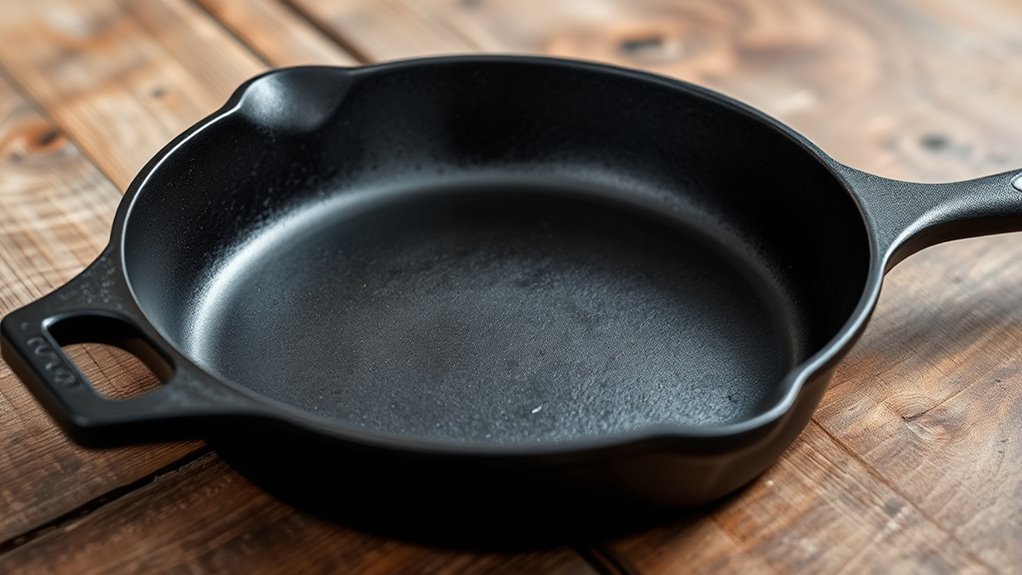
A skillet is a versatile kitchen essential that typically looks like a round, flat-bottomed pan with low, slightly flared, sloped sides. These features help you toss and flip food easily, making cooking more efficient and enjoyable. The design is key to its functionality in various cooking tasks.
It often has a long handle made from materials such as metal, wood, or silicone, providing a safe and comfortable grip. Depending on the skillet’s material—like cast iron, stainless steel, or non-stick—the surface texture and color can vary widely. This variety allows you to choose the perfect skillet for your cooking style.
Skillets come in different sizes and depths, catering to a range of culinary needs. Each skillet has unique characteristics that make it ideal for specific recipes and techniques. Keep exploring to discover what makes each skillet special and suitable for your kitchen.
Key Takeaways
- A skillet typically has a round, flat bottom with low, slightly flared or sloped sides for easy tossing and crisping of food.
- It comes in various sizes, usually ranging from 6 to 12+ inches in diameter to suit different cooking needs.
- Handles vary in material and design, including metal, wood, or silicone, often long for stove use or short for oven safety.
- Skillets are made from materials like cast iron, stainless steel, or aluminum, with surfaces that can be smooth non-stick or rough cast iron.
- High-quality skillets feature thick materials, secure handles, even surface finishes, and coatings that influence cooking performance and maintenance.
What Is a Skillet and How Does It Differ From Other Pans?
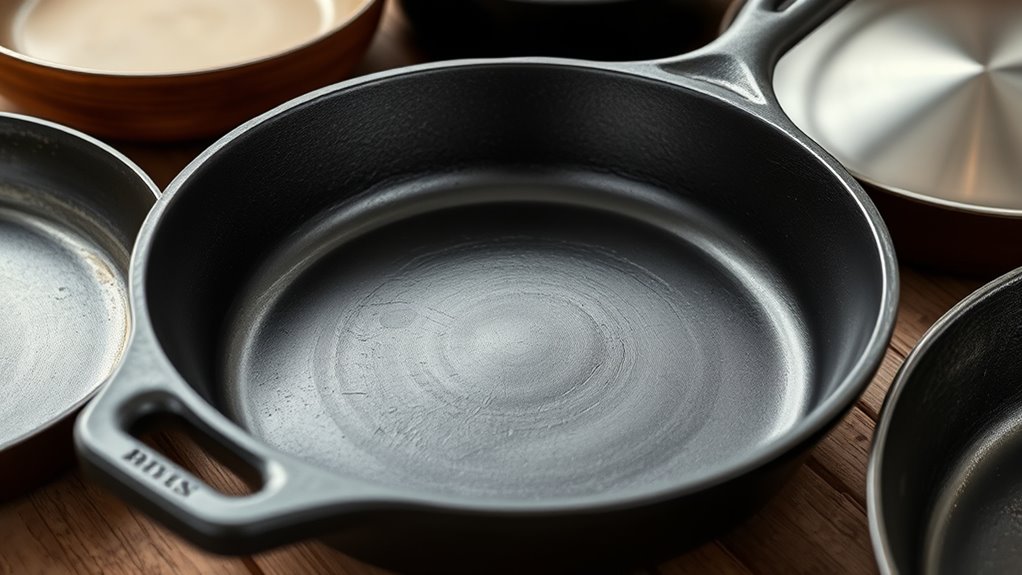
Although you might use various pans in your kitchen, a skillet stands out because of its specific design and purpose. When you look at a skillet, you’ll notice its flat bottom and relatively low, slightly flared sides. This shape gives you excellent control over heat distribution and makes it perfect for frying, searing, and browning.
Unlike saucepans, which have taller sides for simmering liquids, skillets let moisture escape quickly, helping you achieve that crispy texture. You’ll also find that skillets usually have a long handle, giving you a firm grip and easy maneuverability.
Common Materials Used for Skillets
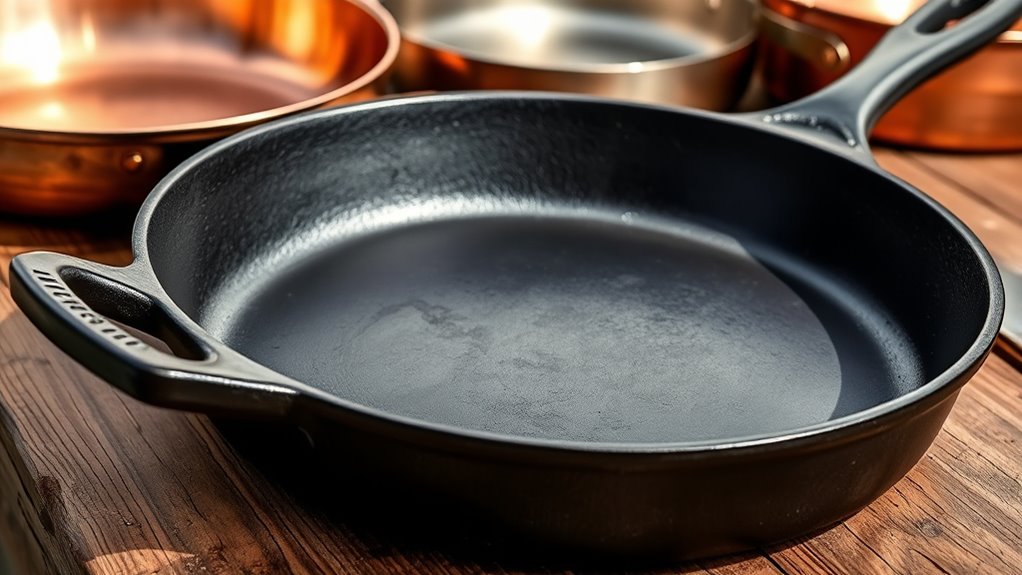
When you choose a skillet, the material it’s made from plays a big role in how it performs and lasts. Different materials offer unique benefits, so it’s good to know what’s out there before picking one for your kitchen.
Here are three common materials used for skillets:
- Cast Iron: Known for excellent heat retention and durability, it’s great for high-heat cooking but needs seasoning.
- Stainless Steel: Durable and resistant to rust, it’s perfect if you want a skillet that’s easy to clean and maintain.
- Aluminum: Lightweight and heats quickly, often coated with a non-stick surface to prevent food from sticking.
Each material suits different cooking styles and care routines, so consider what fits your needs best.
Comparing Cast Iron, Stainless Steel & Non-Stick Skillets
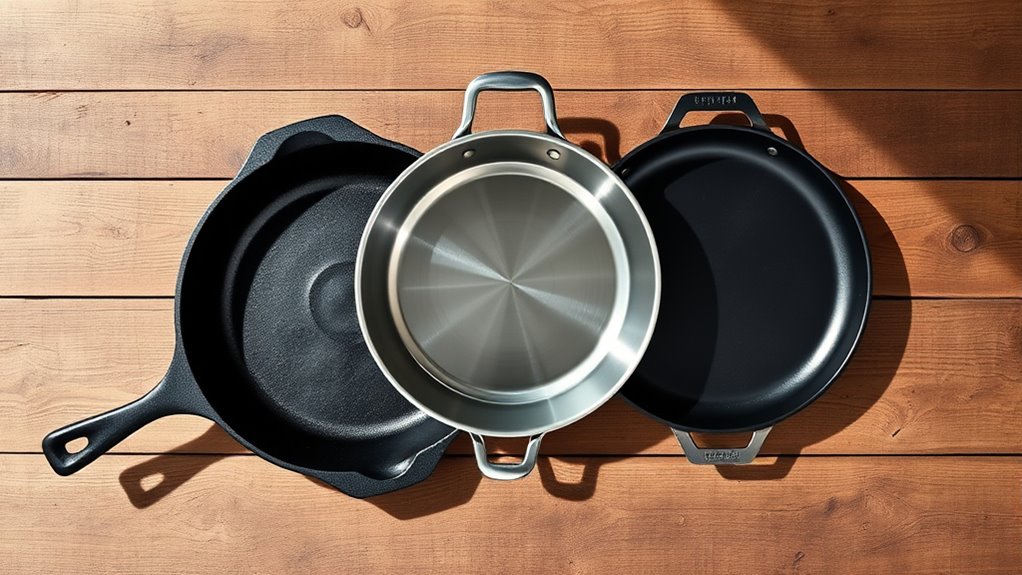
You’ll notice cast iron, stainless steel, and non-stick skillets all have distinct materials that affect how they cook. Each one heats differently and performs best with certain foods and techniques.
Let’s compare their key features to help you choose the right skillet for your kitchen.
Material Differences Explained
Since choosing the right skillet depends largely on its material, understanding the differences between cast iron, stainless steel, and non-stick options will help you make the best choice for your cooking needs. Each material offers unique benefits and care requirements that affect your daily use. Here’s what you should know:
- Cast Iron: Heavy and durable, it retains heat well but needs seasoning to maintain its non-stick surface and prevent rust.
- Stainless Steel: Lightweight and resistant to corrosion, it doesn’t react with acidic foods and is dishwasher safe, but it can stick if not used properly.
- Non-Stick: Easy to clean and requires less oil, but its coating can wear off over time, and it’s best to avoid high heat to preserve it.
Knowing these differences lets you pick a skillet that fits your style and routine perfectly.
Cooking Performance Comparison
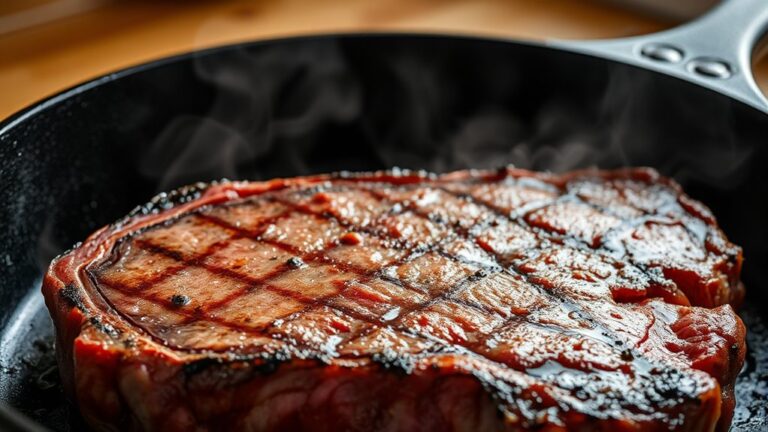
How does each type of skillet perform in the kitchen? Cast iron excels at heat retention and even cooking, making it perfect for searing and slow-cooking. It gets better with seasoning but requires maintenance to prevent rust.
Stainless steel heats quickly and offers excellent browning, ideal for sautéing and deglazing, but food can stick without enough oil. Non-stick skillets are your go-to for cooking delicate items like eggs or pancakes since they require less oil and clean up easily, though they can’t handle high heat and scratch easily.
Depending on your cooking style, you might choose cast iron for versatility, stainless steel for precision, or non-stick for convenience. Understanding these differences helps you pick the right skillet for your favorite dishes.
How Skillet Shape Affects Cooking Performance
Although different skillet shapes might seem like a minor detail, they considerably influence your cooking results. The shape affects how heat distributes and how you maneuver food. When you pick the right skillet shape, you’ll notice better searing, even cooking, and easier stirring.
Here’s how shape impacts your cooking:
- Round skillets offer even heat distribution, perfect for sautéing and frying.
- Square or rectangular skillets provide more surface area, great for cooking multiple items at once.
- Deep skillets give you room to cook saucier dishes without spills.
Why Do Skillets Have Sloped Sides?
The shape of a skillet doesn’t just affect heat and space—it also influences how easily you can cook and serve food. Sloped sides make it simple to toss ingredients without spilling, giving you better control when stirring or flipping. They also help steam escape, preventing sogginess and promoting even browning.
When you’re ready to serve, those angled edges guide food onto your plate or spatula without much effort. Plus, the sloping sides provide more surface area near the top, allowing you to cook larger quantities or add ingredients gradually.
The Role of a Flat Bottom in Skillet Design
Because a skillet’s flat bottom directly contacts the heat source, it guarantees even cooking and consistent browning. This design feature assures your food heats uniformly, preventing hot spots that cause uneven cooking. When you use a skillet with a flat bottom, you get better control over temperature and texture.
A skillet’s flat bottom ensures even heat, consistent browning, and better control over cooking temperature and texture.
Here’s why the flat bottom matters:
- Maximizes surface contact for efficient heat transfer
- Provides stability on stovetops and griddles
- Allows for versatile cooking methods like searing, frying, and sautéing
With these benefits, you’ll notice your meals cook more predictably and evenly, making your skillet an essential tool in your kitchen.
How Handle Design Varies Among Skillets
When you pick up a skillet, the handle’s material makes a big difference in comfort and heat resistance. Some handles are metal, while others use wood or silicone to keep things cool.
You’ll also notice how ergonomic shapes help you grip the skillet more securely during cooking.
Handle Materials Comparison
You’ll find skillet handles crafted from a variety of materials, each offering unique benefits and affecting how the pan feels in your hand. Choosing the right handle material can improve comfort and safety while cooking.
Here are three common types:
- Cast iron: Durable and oven-safe, but it gets very hot, so you’ll always need a handle cover or mitt.
- Stainless steel: Offers a sleek look and resists corrosion. It can heat up but often stays cooler than cast iron.
- Silicone or rubber-coated: Provides excellent grip and stays cool, making it safer to handle when cooking at high heat.
Understanding these materials helps you pick a skillet that suits your cooking style and kitchen needs.
Ergonomic Shape Differences
Choosing the right handle material is just one part of what makes a skillet comfortable to use. You’ll notice ergonomic shapes vary widely—from straight, slim handles to wide, contoured grips that fit your hand better. Some handles curve slightly upward or downward, helping you maintain a natural wrist angle while cooking.
Others feature thumb rests or textured surfaces to prevent slipping when your hands are greasy or wet. If you often cook for long periods, a handle designed to reduce strain can make a big difference. Balancing weight distribution with an ergonomic shape also helps;
a well-shaped handle lets you lift and maneuver the skillet easily without feeling unsteady. When picking a skillet, pay close attention to handle shape as much as material for a comfortable cooking experience.
Heat Resistance Levels
How hot can a skillet handle get before it becomes unsafe or uncomfortable to hold? It depends largely on the material and design. Some handles stay cool, while others heat up quickly, forcing you to use a mitt.
When choosing a skillet, consider these heat resistance factors:
- Material: Stainless steel handles can get very hot; silicone or wooden handles offer better insulation.
- Shape: Thicker, ergonomic handles often dissipate heat better, keeping them cooler longer.
- Attachment: Handles riveted or welded securely tend to transfer less heat compared to flimsy attachments.
Understanding handle heat resistance helps you avoid burns and improves cooking comfort. When you pick a skillet, make sure its handle suits your cooking style and safety needs.
How Skillet Size and Depth Affect Cooking
Although skillet size and depth might seem like minor details, they actually have a big impact on your cooking results. Choosing the right size ensures even cooking and prevents overcrowding, while depth controls how much food you can cook and how liquids behave.
| Skillet Size | Cooking Impact |
|---|---|
| Small (6-8″) | Perfect for single servings, quick heat-up |
| Medium (9-11″) | Ideal for family meals, balanced heat distribution |
| Large (12″+) | Great for big batches, but can heat unevenly |
| Depth | Allows for sautéing vs. frying or simmering liquids |
Pick a skillet that matches your typical meal size and cooking style, so every dish turns out just right and you enjoy the process.
Visual Cues That Indicate a Skillet’s Best Uses
You can often tell what a skillet is best for by checking its handle design and material. The surface texture and coating also give clues about how it cooks and what foods it suits.
Let’s explore how these visual cues guide your skillet choices.
Handle Design And Material
When you pick up a skillet, the handle often gives away its intended use and cooking style. Handles come in different designs and materials, each suited for specific cooking tasks.
For example:
- Long metal handles let you easily maneuver the skillet on the stove or transfer it to the oven without worry.
- Wooden or silicone-coated handles provide heat resistance and a comfortable grip, perfect for stovetop-only use.
- Short, looped handles on both sides indicate the skillet is heavy and designed for oven use or slow cooking.
Surface Texture And Coating
Because the surface texture and coating of a skillet directly affect how it cooks and cleans, paying attention to these details can help you choose the right pan for your needs. A smooth, shiny surface usually means a nonstick coating, perfect for cooking eggs or delicate fish without sticking.
If you see a rough or matte finish, it often indicates a cast iron or carbon steel skillet, which excels at high-heat searing and developing a natural nonstick patina over time. Some skillets feature enamel coatings that resist rust and simplify cleaning but don’t tolerate extreme heat as well.
How to Spot a High-Quality Skillet by Its Look
How can you tell if a skillet is high-quality just by looking at it? Start by examining the material. A solid cast iron or heavy-gauge stainless steel skillet usually signals durability.
Next, check the finish; a smooth, even surface without rough spots or pits suggests expert craftsmanship. Finally, look at the handle’s attachment—secure rivets or a sturdy welded joint mean the skillet will last through many cooking sessions.
Here’s what to look for:
- Material weight and thickness: Heavier and thicker means better heat retention.
- Surface finish: Smooth, consistent coating without blemishes.
- Handle attachment: Firmly secured with rivets or welding, not loose or flimsy.
Spotting these signs ensures you choose a skillet built to perform well and last long.
How to Choose the Right Skillet for Your Cooking Needs
Although many skillets look similar at first glance, choosing the right one depends on what you plan to cook and how you prefer to cook it. If you want even heat for searing steaks or sautéing vegetables, a cast iron skillet is ideal. It holds heat well and develops a natural non-stick surface over time.
For quick and easy cleanup, non-stick skillets work best, especially for delicate foods like eggs or pancakes. Stainless steel skillets shine when you want to brown foods and create pan sauces. Consider the skillet’s size too—an 8-10 inch pan suits most meals, while larger or smaller ones fit specific needs.
Also, check the handle comfort and oven safety depending on your cooking style. Choose wisely to enjoy better cooking results.
Frequently Asked Questions
How Do You Properly Season a Cast Iron Skillet?
You properly season a cast iron skillet by coating it with a thin layer of oil, then baking it upside down at 450°F for an hour. Let it cool in the oven before using to build a nonstick surface.
Can Skillets Be Used on Induction Cooktops?
You’re in luck—skillets usually play nicely with induction cooktops, as long as they’re made of magnetic materials like cast iron or stainless steel.
Just make sure your skillet’s base is flat for the best heat dance!
What Is the Best Way to Clean a Non-Stick Skillet?
You should clean your non-stick skillet gently with warm, soapy water and a soft sponge. Avoid abrasive scrubbers or harsh detergents to protect the coating.
Dry it thoroughly and store it carefully to maintain its non-stick surface.
How Long Do Different Types of Skillets Typically Last?
Like a trusty old friend, cast iron skillets can last decades if you care for them,
while non-stick ones usually stick around for about 3-5 years before they lose their magic.
Stainless steel lasts even longer.
Are Skillets Safe to Use in the Oven?
Yes, you can use skillets in the oven, but you should check their material. Cast iron and oven-safe stainless steel skillets handle heat well, while nonstick or plastic-handled ones might not.
Always verify temperature limits first.
Conclusion
Now that you know what a skillet looks like and how its shape, material, and size affect cooking, you’re ready to pick the perfect one for your kitchen.
Remember, “a good craftsman never blames his tools,” but having the right skillet sure makes your job easier. Choose wisely, and your meals will turn out just right every time.
Trust your eyes, feel the quality, and enjoy cooking like a pro! A good skillet combines durability, heat distribution, and the right size to enhance your cooking experience.