
Is Stainless Steel Cookware Nonstick
You won’t get a truly nonstick experience with stainless steel cookware since it lacks a smooth coating like Teflon. Stainless steel cookware is known for its durability and excellent heat conduction, but it is not inherently nonstick.
However, with proper preheating, adding oil at the right time, and avoiding overcrowding, you can minimize food sticking considerably.
Stainless steel excels at browning and searing, making it ideal for certain dishes despite the occasional sticking. The key to success lies in mastering how heat, oil, and technique come together for better results.
If you want to improve your cooking with stainless steel, keep exploring these important insights.
Key Takeaways
- Stainless steel cookware does not have a nonstick coating and food can stick without proper technique. It excels at browning and searing but requires heat and oil management to reduce sticking. Proper preheating, adding oil at the right temperature, and not overcrowding prevent food from sticking.
- Stainless steel can mimic nonstick performance with correct use but isn’t inherently nonstick like Teflon. It is durable, withstands high heat, and is ideal for deglazing, unlike typical nonstick pans.
What Does ‘Nonstick’ Mean for Cookware?

What exactly does ‘nonstick’ mean when it comes to cookware? It means the surface prevents food from sticking during cooking, making it easier for you to cook delicate items like eggs or pancakes without tearing. When you use nonstick cookware, you’ll notice less need for oil or butter, which can make your meals healthier.
This coating also simplifies cleanup since food residue doesn’t cling to the pan. Nonstick surfaces are usually made from materials like Teflon or ceramic, designed specifically to reduce friction between food and the pan. Keep in mind, though, that nonstick doesn’t mean food will never stick—it just minimizes it.
Your cooking technique and how you maintain the cookware also play a big role in how well the nonstick feature works.
Stainless Steel vs. Teflon: Which Is More Nonstick?

While both stainless steel and Teflon cookware serve important roles in the kitchen, their nonstick properties differ considerably. If you’re after effortless food release, Teflon clearly outshines stainless steel. Its smooth, coated surface prevents food from sticking, making cleanup a breeze and reducing the need for extra oil or butter.
Stainless steel, on the other hand, doesn’t have a nonstick coating. You’ll need to master proper heating and use enough fat to help food slide off. That said, stainless steel excels at browning and searing, providing flavors Teflon can’t match.
Why Does Food Stick to Stainless Steel?

When you cook with stainless steel, protein molecules in food can bond directly to the surface, causing sticking. How you manage heat and oil plays a big role in preventing this from happening.
Understanding these factors helps you cook more smoothly without food clinging to your pan.
Protein Bonding Explained
Why does food often cling stubbornly to stainless steel pans? It’s all about protein bonding. When you cook foods rich in protein, like eggs or meat, the proteins unfold as they heat up.
These unfolded proteins are keen to bond, and they latch onto the tiny pores and rough spots on the stainless steel surface. This molecular handshake creates a sticky connection, making the food adhere tightly to the pan.
Unlike nonstick surfaces, stainless steel doesn’t have a smooth, slick coating to prevent this. So, when proteins bond directly with the metal, you end up with food that sticks. Understanding this helps you realize why stainless steel isn’t naturally nonstick and sets the stage for how you might prevent sticking through other means.
Heat And Oil Effects
How does heat and oil influence food sticking to your stainless steel pan? When you heat your pan properly before adding oil, the metal’s surface becomes smoother as microscopic pores open. Adding oil at this stage creates a thin, even layer that fills these pores, reducing the chance of food sticking.
If the pan isn’t hot enough, oil spreads unevenly, and food is more likely to cling. On the other hand, overheating can cause oil to burn, making sticking worse. Also, adding cold food to a hot, oiled pan helps form a natural barrier as proteins quickly sear, preventing them from bonding to the metal.
How Heat Affects Food Sticking on Stainless Steel Pans
Although stainless steel pans are durable and versatile, you’ll notice food tends to stick if the heat isn’t right. When the pan is too cold, food releases moisture and clings to the surface.
If it’s too hot, proteins can bond excessively, causing stubborn sticking. Finding the right temperature creates a natural barrier, helping food release more easily.
| Heat Level | Effect on Food Sticking |
|---|---|
| Low | Food sticks due to moisture |
| Medium | *Ideal* release, minimal sticking |
| High | Food bonds tightly, sticks more |
| Very High | Risk of burning and sticking |
Mastering heat control is key to reducing sticking on stainless steel cookware.
How Oil Prevents Food From Sticking to Stainless Steel
You’ll find that oil creates a barrier between your food and the stainless steel surface, reducing sticking. When heated, the oil fills in the pan’s microscopic pores, making it easier for food to release.
Understanding this interaction helps you cook more smoothly and keep your pan in great shape.
Oil’s Role In Cooking
When you add oil to a hot stainless steel pan, it creates a barrier between the food and the metal surface, reducing the chance of sticking. This layer of oil helps your food cook evenly by distributing heat and preventing direct contact with the pan. You’ll notice that oil also enhances flavor and texture, allowing you to achieve that perfect sear or golden crust.
Without oil, proteins and sugars in food tend to bond with the pan’s surface, causing sticking and tearing. By properly heating the oil before adding food, you guarantee it coats the pan evenly, making cooking smoother and cleanup easier.
Surface Interaction With Oil
Because oil creates a thin, slippery layer on the stainless steel surface, it prevents food from directly touching the metal and sticking. When you heat oil in your pan, it fills microscopic pores and uneven spots on the steel, creating a smoother surface for cooking. This barrier reduces friction between the food and pan, allowing your ingredients to slide easily.
Without this oil layer, proteins in food bond with the metal, causing sticking and tearing. By properly preheating your pan and adding enough oil, you guarantee that this protective coating forms effectively. This interaction is why stainless steel cookware isn’t naturally nonstick but can perform well with the right technique involving oil’s lubricating properties.
Can You Season Stainless Steel Like Cast Iron?
Although stainless steel cookware doesn’t develop the same natural nonstick surface as cast iron, you can season it to improve its performance. Seasoning stainless steel involves heating a thin layer of oil on the pan until it polymerizes, creating a smoother surface that helps reduce sticking. While it won’t match the deep, durable seasoning of cast iron, this method fills microscopic pores and adds a bit of slickness.
To season, heat the pan, add a high-smoke-point oil, and let it coat the surface before cooling. Keep in mind, seasoning stainless steel needs regular maintenance and won’t create a permanent nonstick layer like cast iron. Still, it’s a helpful technique to enhance your cooking experience and reduce food sticking.
Step-by-Step Cooking Techniques to Prevent Sticking
To prevent food from sticking to stainless steel cookware, you’ll want to master a few key cooking techniques that focus on temperature control and proper oil use. Start by heating your pan before adding oil, allowing it to reach the right temperature.
Then, add oil and let it shimmer. Only add your food once the oil is hot enough to create a natural barrier. Avoid overcrowding the pan to maintain even heat distribution.
| Step | Action |
|---|---|
| 1. Preheat pan | Heat pan over medium heat |
| 2. Add oil | Pour oil and wait until it shimmers |
| 3. Add food | Place food carefully, do not crowd |
| 4. Let it sear | Avoid moving food too soon |
Following these steps helps create a temporary nonstick effect.
Common Mistakes That Cause Food to Stick on Stainless Steel
If you don’t heat your pan properly or add food too soon, sticking becomes almost inevitable. You might be making some common mistakes without realizing it. Here’s what to watch out for:
- Adding food to a cold pan – Food sticks because the metal surface hasn’t formed a natural barrier yet.
- Using too little oil – Insufficient fat means less lubrication, increasing the chance of sticking.
- Moving food too early – If you try to flip or stir before a proper sear forms, the food will cling to the surface.
- Overcrowding the pan – Packing in too much food lowers the pan’s temperature, causing uneven cooking and sticking.
Avoid these errors, and you’ll find stainless steel much easier to cook with.
Cleaning Stuck Food Without Damaging Your Stainless Steel Pan
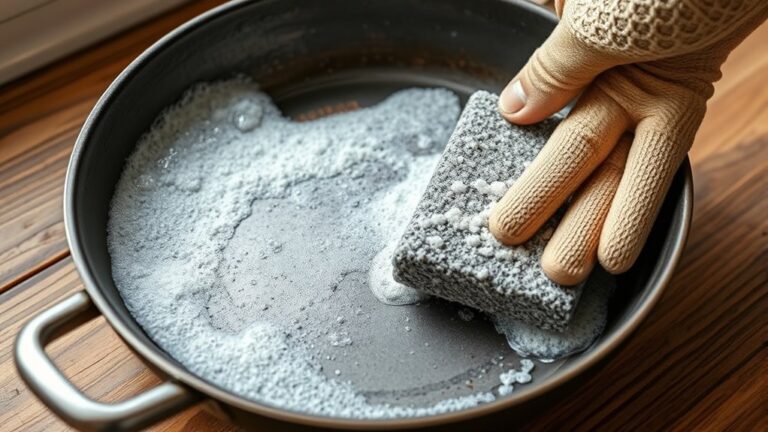
When food sticks to your stainless steel pan, you don’t have to resort to harsh scrubbing that can damage the surface. Start by soaking the pan in warm, soapy water for 15-30 minutes to loosen stuck bits. Use a nylon or non-abrasive sponge to gently lift residue without scratching.
For tougher stuck food, fill the pan with water, add a tablespoon of baking soda or vinegar, and bring it to a boil. Let it simmer for a few minutes, then allow it to cool before scrubbing lightly. Avoid steel wool or metal scrubbers, as they can leave scratches and degrade the pan’s finish.
Regular, gentle cleaning preserves your cookware’s performance and appearance, making stuck food easier to manage over time.
When to Choose Stainless Steel Over Nonstick Cookware
Although nonstick cookware offers convenience for certain tasks, you’ll want to opt for stainless steel when durability, high-heat cooking, or browning is a priority. Stainless steel handles wear and tear better and can withstand oven use at higher temperatures. It excels when you want to develop rich flavors through searing or caramelizing.
Choose stainless steel for durability, high-heat cooking, and rich, flavorful browning that nonstick can’t achieve.
Consider stainless steel in these situations:
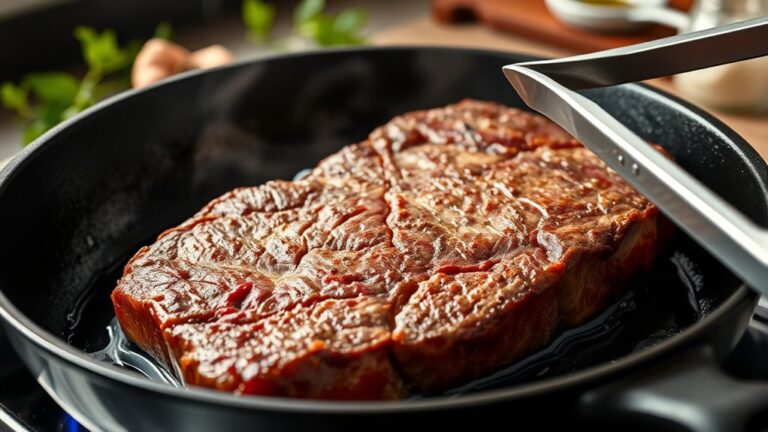
- You’re searing steaks or meats for a deep, flavorful crust.
- You need to deglaze the pan to make sauces from browned bits.
- You’re cooking at high temperatures where nonstick coatings might degrade.
- You want cookware that resists scratches and lasts for years.
Choosing stainless steel guarantees you get performance and longevity when nonstick just won’t cut it.
Best Stainless Steel Pans for a Nonstick Experience
Because stainless steel isn’t naturally nonstick, finding the right pan can make all the difference in cooking performance. You’ll want to choose pans with a heavy, multi-ply base—these distribute heat evenly and reduce hot spots that cause sticking. Look for brands like All-Clad or Cuisinart that offer stainless steel pans with an aluminum or copper core.
A well-polished cooking surface also helps prevent food from sticking. Additionally, pans with slightly rounded edges make flipping and stirring easier. Remember, seasoning your pan properly and preheating it before adding oil are key to enhancing its natural release.
With the right stainless steel pan and proper technique, you can enjoy a near-nonstick cooking experience without sacrificing durability or flavor.
Frequently Asked Questions
Is Stainless Steel Cookware Safe for Acidic Foods?
Yes, stainless steel cookware is safe for acidic foods. It won’t react or leach harmful chemicals, so you can cook tomatoes, citrus, and vinegar-based dishes without worry.
This helps maintain flavor and durability in your kitchen.
Can Stainless Steel Cookware Go in the Dishwasher?
About 70% of stainless steel cookware is dishwasher-safe, so yes, you can usually put yours in the dishwasher.
Just be sure to check the manufacturer’s instructions to avoid damaging the finish or handles over time.
Does Stainless Steel Cookware React With Metal Utensils?
No, stainless steel cookware doesn’t react with metal utensils, so you’re safe using them. Just be careful, as metal can scratch the surface, which might affect the cookware’s appearance but won’t harm your food.
How Long Does Stainless Steel Cookware Typically Last?
You can expect stainless steel cookware to last 10 to 20 years or more with proper care. Its durability resists rust and warping, so just avoid harsh cleaners and overheating to keep it in great shape.
With regular maintenance, it can even last a lifetime. Always clean it gently and store it properly to maintain its quality. This will help preserve its appearance and performance over the years.
Is Stainless Steel Cookware Suitable for Induction Stovetops?
You know what they say, “Don’t judge a book by its cover.” Yes, stainless steel cookware suits induction stovetops perfectly because it’s magnetic.
You’ll enjoy efficient, even heating without any compatibility worries.
Conclusion
You might think stainless steel cookware isn’t nonstick, but with the right technique, it can be. Imagine searing a steak: heat your pan properly, add oil, and watch the meat release effortlessly once it’s ready. Avoid common mistakes like adding food too early or using too little oil.
When you do it right, stainless steel offers a durable, versatile option that can rival traditional nonstick pans in performance. Stainless steel cookware nonstick capabilities depend largely on cooking methods. Mastering these techniques ensures a nonstick experience with stainless steel cookware.