
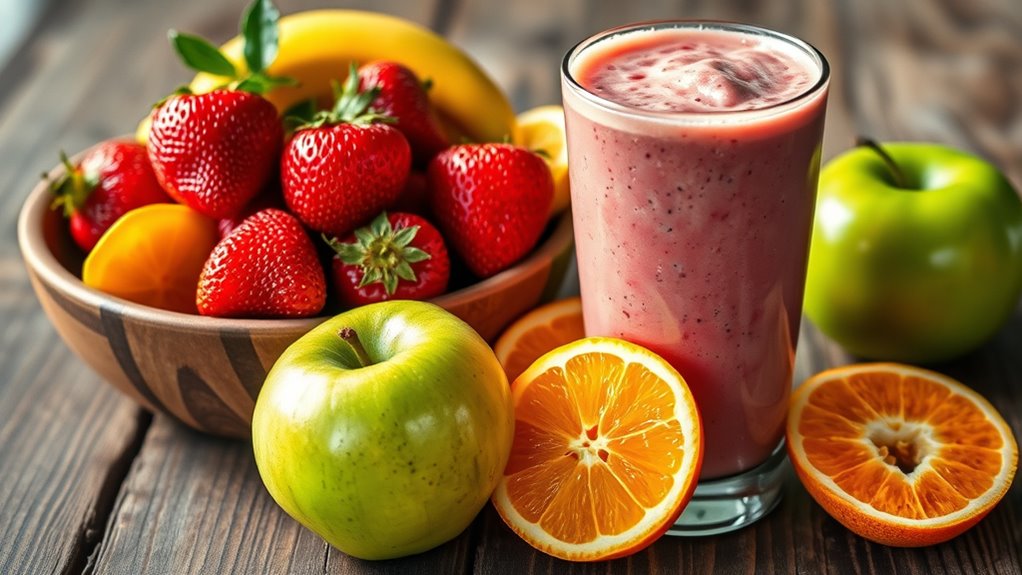
Does Blending Fruit Make It Less Healthy?
Blending fruit is a popular way to enjoy a quick and tasty snack, but many wonder, does blending fruit make it less healthy? While you don’t lose many nutrients when you blend fruit, the process does change its fiber structure.
This alteration makes digestion faster and the feeling of fullness less pronounced.
Blending releases sugars more quickly, which can cause faster blood sugar spikes compared to eating whole fruit. However, fiber is still present when fruit is blended and helps slow sugar absorption better than juice.
If you blend carefully and consume it soon after preparation, blending can be a healthy option.
There’s still more to discover about how to blend fruit for the best benefits. Understanding the impact of blending on nutrients and fiber can help you make smarter choices for your diet.
Key Takeaways
- Blending preserves most vitamins and minerals but may slightly reduce antioxidants and vitamin C due to oxidation.
- Fiber content remains intact, though blending breaks down insoluble fiber, reducing fullness and slowing digestion less.
- Sugars are released faster when blended, causing quicker blood sugar spikes than whole fruit but slower than juice.
- Blended fruit is easier to digest and beneficial for sensitive digestion but less satiating than whole fruit.
- Consuming smoothies promptly, using skins, and avoiding added sugars optimize nutrient retention and health benefits.
How Blending Affects Fruit Nutrients
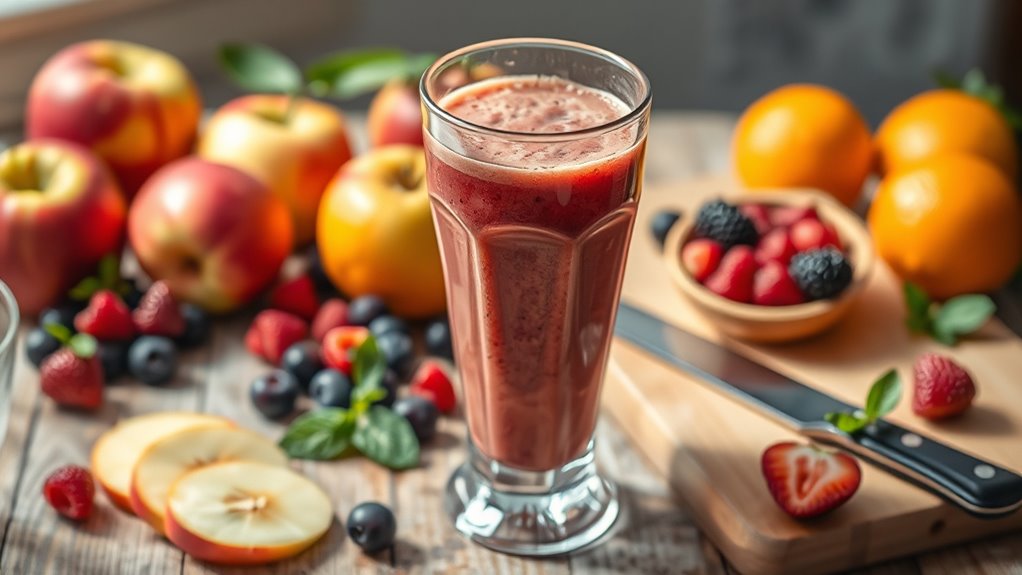
While blending fruit breaks down its structure, it doesn’t necessarily reduce its nutrient content. When you blend fruit, vitamins like C and some B vitamins remain largely intact, so you still get those essential nutrients. However, blending exposes the fruit to air, which can cause some oxidation, potentially decreasing vitamin C slightly if you don’t consume it right away.
Minerals like potassium and magnesium don’t degrade during blending, so they stay available for your body. Phytochemicals, the plant compounds that offer health benefits, generally stay present but might be more accessible as blending breaks cell walls. So, when you blend fruit, you’re mostly preserving the nutrients, just with a little change in how they’re packaged and how quickly you should enjoy your smoothie.
How Blending Impacts Fiber and Digestion
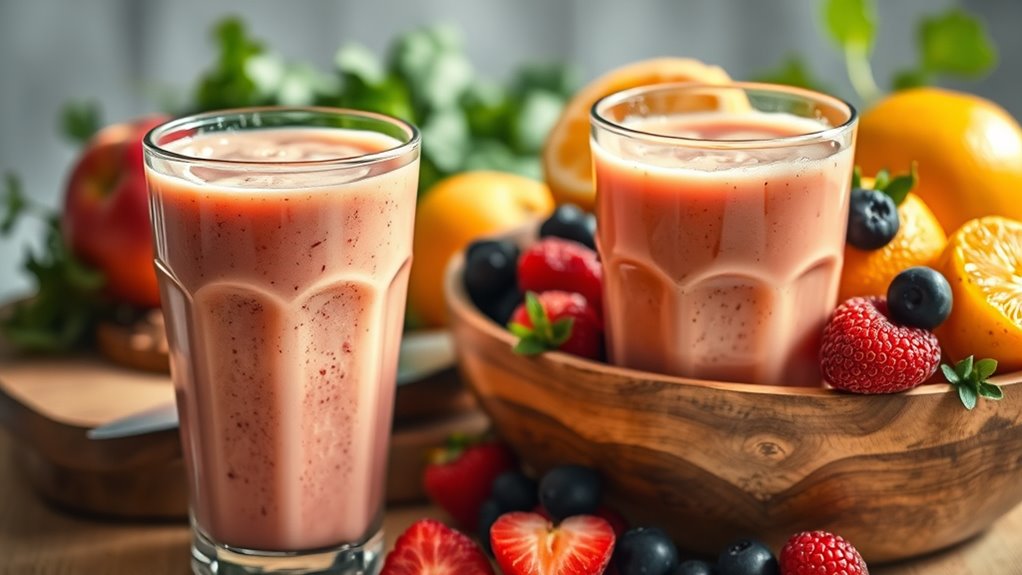
Because blending breaks down fruit’s structure, it changes how fiber affects your digestion. When you blend fruit, the mechanical action shreds the insoluble fiber, which usually helps add bulk and speed up digestion. This means the fiber’s ability to keep you feeling full and regulate bowel movements might lessen slightly.
However, the total fiber content remains intact, so you still get its benefits. The soluble fiber, which slows digestion and supports gut health, stays effective even after blending. Blended fruit is easier to digest since the fiber is partially broken down, which can be helpful if you have digestive issues or need gentle nourishment.
Does Blending Fruit Affect Sugar Release?

How quickly does your body absorb sugar from blended fruit compared to whole fruit? When you blend fruit, you break down its structure, releasing sugars more rapidly than eating it whole. This means your body can absorb the sugars faster, potentially causing a quicker spike in blood sugar levels.
However, the presence of fiber in blended fruit still slows sugar absorption to some extent, unlike fruit juices where most fiber is removed. So, while blending does speed up sugar release compared to whole fruit, it’s not as rapid as drinking juice.
If you’re concerned about blood sugar, you might want to monitor portion sizes or pair blended fruit with protein or healthy fats to slow absorption. Understanding this can help you make smarter choices about how you consume fruit.
Whole Fruit vs. Blended Fruit: Nutritional Differences
When you choose between whole and blended fruit, it’s important to take into account how their nutritional profiles differ. Whole fruit keeps its fiber intact, which slows digestion and supports fullness.
Blended fruit breaks down the fiber, making it easier to consume quickly but often less satiating. Both forms provide similar calories and natural sugars, but texture and digestion change.
Here’s a quick comparison:
| Nutrient Aspect | Whole Fruit | Blended Fruit |
|---|---|---|
| Fiber Content | High, intact fiber | Fiber broken down |
| Sugar Release | Slower, gradual | Faster, quicker |
| Satiety | More filling | Less filling |
Knowing these differences helps you decide which form suits your needs best.
How Blending Influences Vitamins and Minerals
While blending changes the texture and fiber structure of fruit, it also affects the vitamins and minerals you get. When you blend fruit, exposure to air and the blender’s blades can cause some vitamin loss, especially vitamin C and certain B vitamins, which are sensitive to oxygen and heat.
However, minerals like potassium, magnesium, and calcium remain mostly stable since they aren’t as easily broken down. You’ll still benefit from a good dose of nutrients, but blending might slightly reduce the levels of some antioxidants and water-soluble vitamins.
To minimize this, try to consume your smoothie soon after blending and avoid over-blending to preserve as many nutrients as possible. Overall, blending keeps most vitamins and minerals intact while making fruit easier to digest and enjoy.
When Blending Fruit Might Not Be So Healthy
When you blend fruit, the fiber breaks down, which can change how your body absorbs sugar. This faster sugar absorption might cause spikes in your blood sugar levels. It’s important to understand these effects to make healthier choices when blending.
Fiber Breakdown Effects
Because blending breaks down the fruit’s natural fiber structure, you might not get all the digestive benefits whole fruit provides. When you eat whole fruit, the intact fiber slows digestion, helping you feel full longer and supporting steady nutrient absorption. Blending shreds this fiber, which can reduce its ability to regulate digestion effectively.
You still get fiber, but its physical form changes, meaning it won’t trap sugars and slow digestion as well. This alters how your digestive system interacts with the fruit, potentially leading to quicker digestion and less satiety. While blending makes fruit easier to consume quickly, it’s important to remember that the natural fiber’s role in gut health and fullness is somewhat compromised when you blend instead of eating fruit whole.
Sugar Absorption Rates
The way fiber breaks down during blending directly influences how quickly your body absorbs sugar from fruit. When you blend fruit, the mechanical action breaks down the fiber structure, making sugars more accessible. This means your body can absorb these sugars faster compared to eating whole fruit, which retains intact fiber that slows sugar absorption.
Faster absorption causes quicker spikes in blood sugar levels, which might not be ideal if you’re managing blood sugar or trying to avoid energy crashes. While blending still delivers nutrients, you might want to moderate your intake or pair blended fruit with protein or fat to slow sugar absorption.
Understanding this helps you make smarter choices about when and how to enjoy blended fruit without compromising your health goals.
Best Fruits to Blend for Health Benefits
If you want to maximize the health benefits of your blended fruit, choosing the right varieties matters. Opt for berries like blueberries, strawberries, and raspberries since they’re packed with antioxidants and fiber, supporting heart and brain health.
Adding citrus fruits such as oranges and grapefruits boosts your vitamin C intake, which strengthens immunity and promotes skin health. Bananas provide natural sweetness and potassium, aiding muscle function and hydration. Leafy greens like spinach can sneak in extra vitamins without overpowering flavor.
Avoid fruits too high in sugar like mangoes or grapes if you’re watching blood sugar levels. By blending a thoughtful mix, you’ll get a nutrient-rich drink that supports overall wellness without unnecessary sugar spikes or calorie overload.
Tips for Healthier Blended Fruit
Choosing the right fruits sets a strong foundation, but how you blend them can make a big difference in preserving nutrients and managing sugar levels. Start by including whole fruits with skins for extra fiber, which slows sugar absorption. Add vegetables like spinach or kale to boost vitamins without extra sugar.
Use a high-powered blender to reduce oxidation and nutrient loss. Blend just long enough to combine ingredients—over-blending can break down fibers and impact texture. Avoid adding sweeteners; rely on natural fruit sweetness instead.
Portion control matters, so keep servings moderate to prevent consuming too much sugar at once. Finally, drink your blend right away to enjoy maximum freshness and nutrient retention. These tips help you enjoy healthier, balanced blended fruit drinks every time.
Frequently Asked Questions
Can Blending Fruit Help With Weight Loss?
Yes, blending fruit can help with weight loss if you watch portion sizes and avoid adding extra sugars. It’s a convenient way to get nutrients and fiber, keeping you full and energized throughout the day.
Is Blended Fruit Safe for Diabetics?
Yes, blended fruit can be safe for diabetics if you watch portion sizes and choose low-glycemic fruits. You’ll want to monitor your blood sugar closely, as blending releases sugars more quickly into your system.
Be mindful of the types of fruits you use and consider balancing them with fiber or protein to slow sugar absorption. Regularly checking your blood sugar will help you understand how blended fruit affects you personally.
With careful planning, blended fruit can be enjoyed as part of a diabetic-friendly diet.
How Long Does Blended Fruit Stay Fresh?
Don’t worry, blended fruit stays fresh for about 24 to 48 hours if you refrigerate it properly.
To keep it tasting great, store it in an airtight container and consume it as soon as possible.
Does Blending Fruit Affect Its Taste?
Yes, blending fruit can change its taste by intensifying flavors and mixing them together. You might notice it’s sweeter or more tart, depending on the fruits you use and how long you blend them.
Can Children Benefit More From Blended Fruit?
Yes, kids can benefit more from blended fruit since it’s easier to eat and digest. You’ll find it’s a great way to sneak in extra nutrients, especially for picky eaters or those who struggle with whole fruit.
Conclusion
Blending fruit isn’t like tossing a salad—it changes how your body absorbs nutrients. While it might reduce some fiber’s effectiveness and speed up sugar release, you’re still getting most vitamins and minerals.
Think of it like turning a whole apple into juice; it’s easier to drink but less filling. To keep your blends healthy, mix in fiber-rich fruits and veggies, and watch your portions.
That way, you’ll enjoy tasty, nutritious blends every time. Remember, blending fruit can be part of a healthy diet when balanced with fiber and mindful portion control.