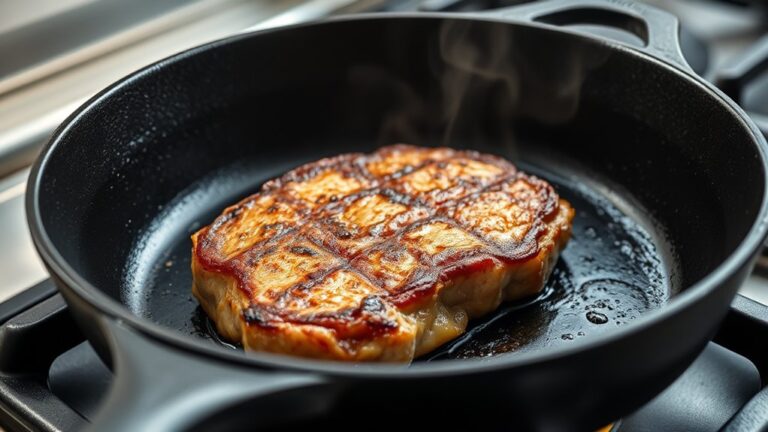
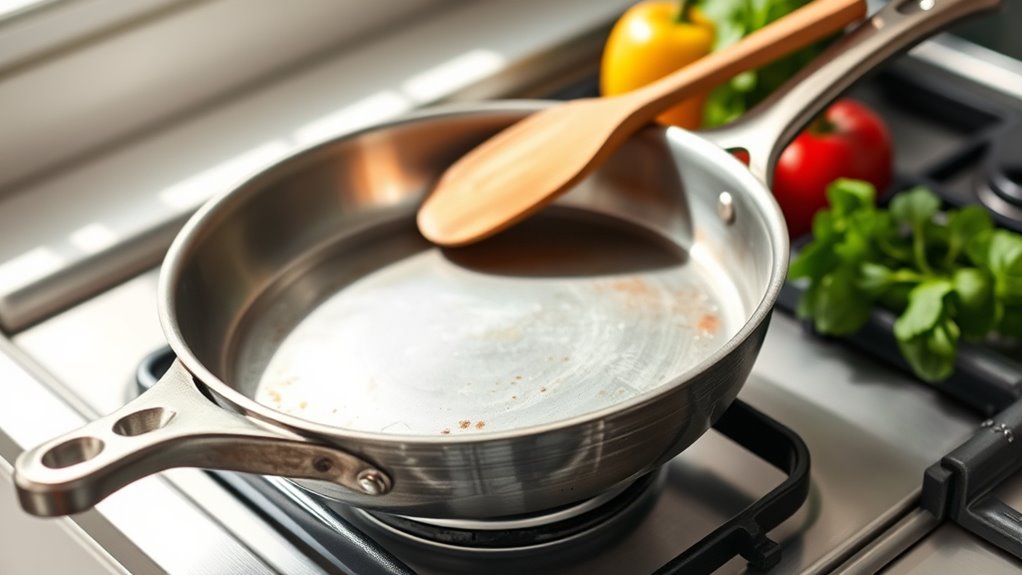
Is Magnalite Cookware Safe and How to Use It Safely
You can safely use Magnalite cookware by seasoning it like cast iron and avoiding high heat or sudden temperature changes to prevent warping. Magnalite cookware is made from a durable aluminum alloy with magnesium, which conducts heat evenly and meets safety standards, minimizing chemical leaching. This makes it a reliable choice for everyday cooking.
Avoid cooking highly acidic or sticky foods for long periods to prevent damage and metallic taste. Clean the cookware gently with mild soap and avoid abrasive tools to maintain its surface.
If you follow these tips, you’ll get durable, efficient cookware.
There’s more to learn about maximizing its performance and care to ensure your Magnalite cookware lasts for years. Proper use and maintenance can enhance its safety and cooking efficiency.
Key Takeaways
- Magnalite cookware is made from durable aluminum alloy with a protective finish that minimizes aluminum leaching, meeting FDA and safety standards.
- Season cookware by applying oil and heating gently to build a protective layer, then clean with mild soap and avoid abrasive materials.
- Use medium heat on gas, electric, or oven (up to 450°F) to prevent warping and ensure even heat distribution.
- Avoid cooking highly acidic or sticky foods for long periods to prevent metallic taste, discoloration, and surface damage.
- Prevent damage by avoiding sudden temperature changes, handling gently, and replacing cookware if warped, cracked, or corroded.
What Is Magnalite Cookware Made Of And Why It Matters For Safety
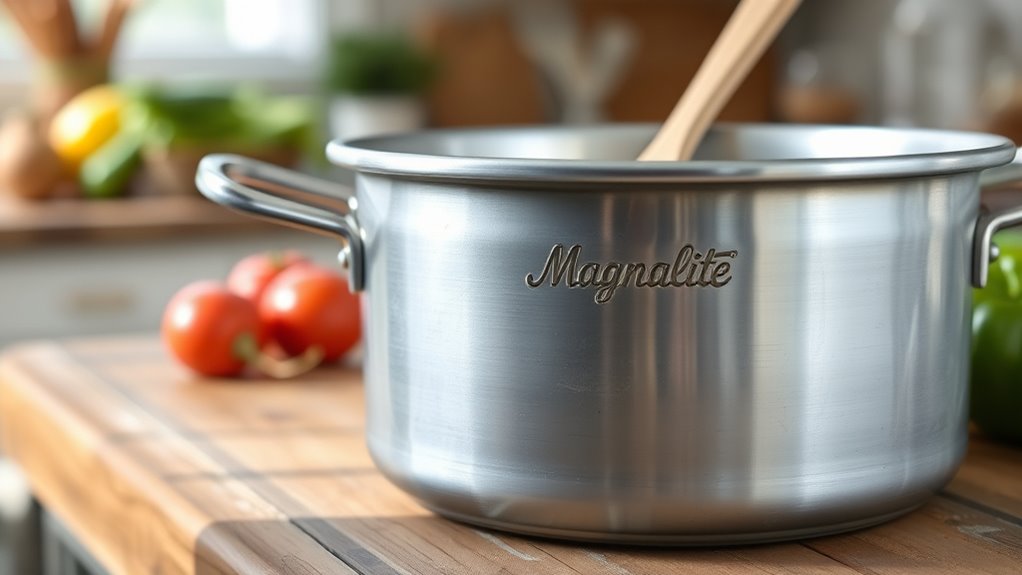
What makes Magnalite cookware unique, and why should you care about its composition? Magnalite is made from a special aluminum alloy known for its strength and durability. Unlike regular aluminum pans, it contains magnesium, which adds toughness and resistance to warping.
This blend means you get cookware that holds up well under high heat without releasing harmful chemicals. You’ll appreciate that Magnalite is free from non-stick coatings, so you avoid potential toxins from scratched surfaces. Its natural metal surface also means you’ll need to season it like cast iron, which helps create a safer cooking environment by building a protective layer.
Understanding this composition helps you handle and maintain your cookware properly, ensuring both safety and longevity in your kitchen.
How Does Magnalite Cookware Distribute Heat For Better Cooking?
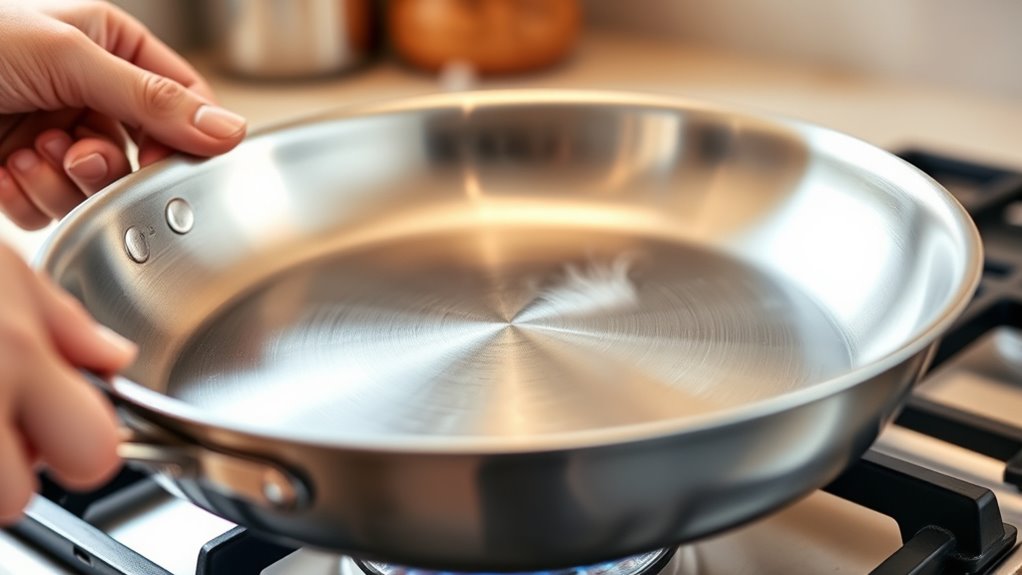
Because Magnalite cookware is crafted from a thick aluminum alloy, it heats up quickly and spreads that heat evenly across its surface. When you cook with it, you’ll notice fewer hot spots, which means your food cooks uniformly without burning in one area while remaining undercooked in another. This consistent heat distribution helps you control cooking temperatures better, making it easier to achieve the perfect sear or simmer.
The sturdy, dense material retains heat well, so once the pan reaches the right temperature, it stays steady, reducing temperature fluctuations. That stable heat lets you cook more efficiently, saving energy and time. Overall, Magnalite’s heat distribution enhances your cooking experience by delivering reliable and predictable results every time you use it.
Are There Any Health Risks With Aluminum In Magnalite Cookware?
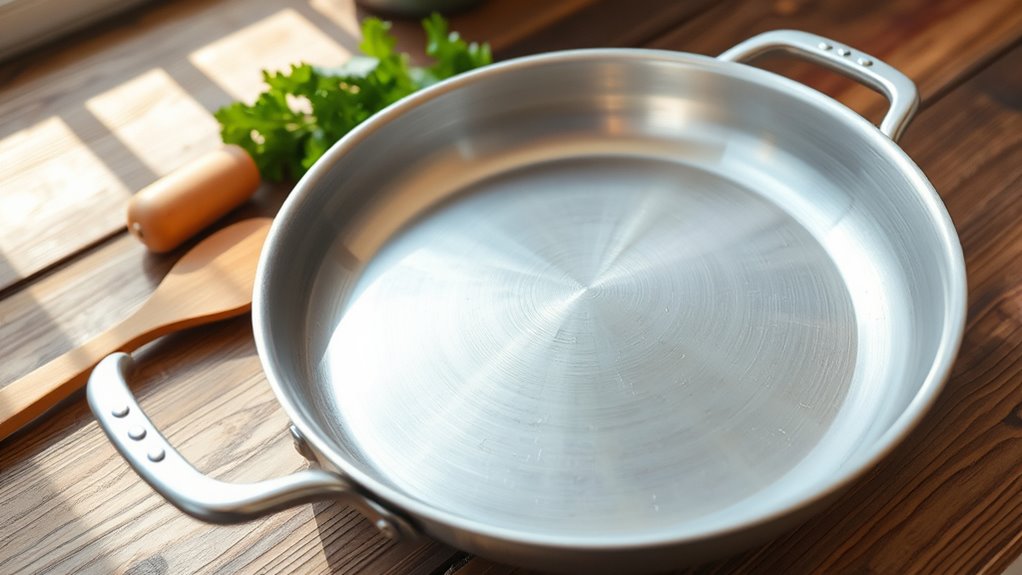
Although aluminum is a common material in cookware, you might wonder if using Magnalite poses any health risks. The good news is that Magnalite is made from cast aluminum, which is known for excellent heat conduction, but concerns often arise about aluminum leaching into food.
However, Magnalite cookware is typically coated with a protective finish that minimizes direct contact between food and aluminum. This greatly reduces any risk of aluminum exposure during normal cooking. Unless you’re cooking highly acidic or alkaline foods for prolonged periods, the chance of aluminum leaching is very low.
What Safety Standards Does Magnalite Cookware Meet?
Since safety is a top priority when choosing cookware, you’ll want to know which standards Magnalite meets to guarantee its reliability. Magnalite cookware is crafted following strict industry regulations, including FDA guidelines for food contact materials. This means the aluminum alloy used is tested to confirm it doesn’t leach harmful substances into your food.
Additionally, Magnalite meets ASTM standards for cast aluminum cookware, which assess durability, heat conduction, and safety under normal cooking conditions. The cookware also complies with environmental and manufacturing safety protocols, ensuring it’s free from toxic coatings or additives.
Can You Use Magnalite Cookware On Different Heat Sources?
You can use Magnalite cookware on various heat sources, but it’s important to know which ones work best. It performs well on gas stoves and electric burners, but you’ll want to check oven safety guidelines before placing it inside.
Understanding these details helps you cook efficiently and keep your cookware in good shape.
Compatibility With Gas Stoves
When cooking with Magnalite cookware, it’s important to know how well it performs on different heat sources, especially gas stoves. Magnalite works great on gas because it heats evenly and responds quickly to temperature changes.
Here’s what you should keep in mind:
- Use medium heat to avoid warping or damaging the pan.
- Make certain the flame doesn’t extend beyond the pan’s bottom to prevent handle overheating.
- Preheat the pan gradually to maintain its durability.
- Clean it properly after use to keep the surface smooth and safe.
Use On Electric Burners
Magnalite cookware performs well on gas stoves, but its compatibility with electric burners raises some different considerations. When you use Magnalite on electric coils or smooth-top burners, you need to be mindful of heat distribution. Magnalite heats evenly but can create hot spots if the burner is smaller than the pan’s base.
Make sure the burner matches the pan size to avoid uneven cooking and potential damage to your cooktop. Also, avoid dragging or sliding Magnalite pans on glass or ceramic electric tops, as their rough bottoms can cause scratches. Using a gentle lifting motion helps protect your surface.
Oven Safety Considerations
Although designed primarily for stovetop use, Magnalite cookware can handle oven temperatures well, offering versatile cooking options. To use it safely in the oven, keep these points in mind:
- Check the manufacturer’s maximum oven temperature—usually around 450°F—to avoid damage.
- Avoid sudden temperature changes; preheat the oven with the cookware inside to prevent warping.
- Use oven mitts when handling hot Magnalite, as the handles heat up quickly.
- Don’t use Magnalite cookware under a broiler, as extreme direct heat can cause warping or discoloration.
Which Foods And Cooking Methods Should You Avoid With Magnalite Cookware?
You’ll want to steer clear of cooking highly acidic foods in Magnalite cookware, as they can damage the surface. Avoid using high heat since it risks warping or discoloring the pan.
Also, try not to cook sticky ingredients that might cling and make cleaning difficult.
Acidic Foods Impact
Since acidic foods can react with certain metals, it’s important to know which ingredients and cooking methods to avoid with Magnalite cookware. Acidic ingredients can cause discoloration, off-flavors, and even damage the cookware’s surface.
To protect your Magnalite, steer clear of:
- Cooking tomatoes or tomato-based sauces for long periods
- Using vinegar or citrus juices in slow-cooked dishes
- Simmering wine or other acidic marinades directly in the pan
- Preparing dishes with high acidity like rhubarb or sour fruits without careful timing.
If you want to cook acidic foods, add them toward the end of the cooking process or use a different type of cookware. This way, you keep your Magnalite in good shape and enjoy your meals without unwanted metallic tastes.
High-Heat Cooking Risks
When cooking with Magnalite cookware, avoid exposing it to extremely high heat, as this can warp the pan and damage its surface. High heat can also cause food to burn quickly, making cleanup harder and potentially ruining your meal.
Steer clear of searing or frying at very high temperatures. Instead, use medium to medium-high heat for best results.
| Foods to Avoid | Cooking Methods to Avoid |
|---|---|
| Sugar-heavy sauces | Deep frying |
| Thin cuts of meat | High-temperature searing |
| Foods requiring rapid boiling | Flash frying |
Avoiding Sticky Ingredients
Although Magnalite cookware offers excellent heat distribution, it can be prone to sticking with certain ingredients and cooking methods. To keep your cooking smooth and avoid frustrating cleanups, you’ll want to be mindful of what you cook and how.
Here are four things to avoid:
- Sticky sauces like honey or syrup can caramelize and cling stubbornly.
- Eggs, especially scrambled or fried, tend to stick if the pan isn’t well-seasoned or oiled.
- Delicate fish fillets can break apart and stick without gentle handling and proper lubrication.
- High-sugar recipes like candy or caramel require non-stick surfaces, which Magnalite lacks.
Stick to moderate-heat cooking with plenty of oil or butter, and you’ll enjoy safer, stick-free meals.
How Do You Season Magnalite Cookware For Best Results?
To get the best results from your Magnalite cookware, you’ll want to season it properly before first use. Start by washing the pan with warm, soapy water to remove any factory residues, then dry it thoroughly.
Next, apply a thin layer of vegetable oil or flaxseed oil all over the interior surface. Heat the pan on low to medium heat for about 15 minutes, allowing the oil to bond with the metal and create a natural non-stick layer.
After heating, let the pan cool completely, then wipe off any excess oil with a clean cloth. This seasoning process helps protect the cookware from rust and enhances its cooking performance, so repeating it occasionally will keep your Magnalite in top shape.
How Do You Care For Magnalite Cookware To Keep It Safe?
Proper care is essential to keep your Magnalite cookware safe and performing well over time. To maintain its quality, follow these steps:
- Clean gently: Use warm water and a mild detergent with a soft sponge to avoid scratching the surface.
- Dry thoroughly: Always dry your cookware immediately after washing to prevent rust and corrosion.
- Avoid harsh chemicals: Steer clear of bleach and abrasive cleaners that can damage the finish.
- Store carefully: Keep your pans in a dry place and avoid stacking them directly to prevent scratches and chips.
How Can You Prevent Warping And Damage In Magnalite Cookware?
A key step to keep your Magnalite cookware in great shape is preventing warping and damage. Avoid sudden temperature changes; don’t pour cold water into a hot pan. Use medium or low heat settings, as high heat can stress the metal.
Always place cookware on flat, stable burners to guarantee even heating. Handle with care to prevent dents or scratches.
| Prevention Tip | Why It Helps |
|---|---|
| Avoid thermal shock | Prevents metal warping |
| Use moderate heat | Maintains metal integrity |
| Place on flat burner | Ensures even heat distribution |
| Handle gently | Avoids dents and scratches |
| Let cool before washing | Protects cookware from stress |
Does Magnalite Cookware React With Acidic Or Alkaline Foods?
You might wonder if Magnalite cookware reacts with acidic or alkaline foods during cooking. Acidic ingredients like tomatoes or citrus can sometimes interact with certain metals, while alkaline foods may have different effects.
Let’s explore how to prevent any unwanted chemical reactions when using your Magnalite cookware.
Acidic Food Interaction
Although Magnalite cookware offers excellent heat distribution, you might wonder if it reacts with acidic or alkaline foods. When it comes to acidic foods like tomatoes, citrus, or vinegar-based sauces, Magnalite is generally safe but requires some care. Here’s what you should know:
- Magnalite is made from cast aluminum, which can react slightly with acidic ingredients, potentially altering flavor.
- Prolonged cooking of acidic foods may cause a metallic taste or discoloration.
- Avoid storing acidic dishes in Magnalite cookware to prevent corrosion or damage.
- To minimize reaction, use an enamel-coated Magnalite pot or reduce cooking time with acidic items.
Alkaline Food Effects
How does Magnalite cookware react when you cook with alkaline foods like baking soda or certain vegetables? Unlike acidic foods, alkaline ingredients generally don’t cause any noticeable reaction with Magnalite cookware. You can cook alkaline-rich foods without worrying about damaging the cookware or altering your dish’s flavor.
However, prolonged exposure to strong alkalines might dull the cookware’s finish over time.
Here’s a quick overview:
| Food Type | Reaction with Magnalite | Cooking Tip |
|---|---|---|
| Baking Soda | Minimal | Use sparingly to preserve finish |
| Alkaline Veggies | None | Safe for regular cooking |
| Strong Alkalis | Possible dulling | Avoid long-term contact |
Preventing Chemical Reactions
While alkaline foods generally pose little risk to Magnalite cookware, it’s important to understand how both acidic and alkaline ingredients interact with it to prevent unwanted chemical reactions. Magnalite’s aluminum core can react with acidic foods like tomatoes or citrus, causing discoloration or a metallic taste. To keep your cookware safe and your meals tasting great, follow these tips:
- Avoid prolonged cooking with highly acidic ingredients.
- Use a non-metallic utensil to prevent scratching the enamel coating.
- Clean the cookware promptly after use to remove acidic residues.
- Consider seasoning your Magnalite or using a protective layer like oil before cooking acidic dishes.
How Should You Clean Magnalite Cookware Without Damaging It?
Because Magnalite cookware has a unique aluminum alloy construction, you need to clean it carefully to preserve its finish and performance. Avoid using harsh detergents or abrasive scrubbers that can scratch or dull the surface. Instead, wash your cookware with warm water, mild dish soap, and a soft sponge or cloth.
For stubborn food residue, soak the pan in warm soapy water before gently scrubbing. Never put Magnalite cookware in the dishwasher, as the high heat and strong detergents can damage the finish. After washing, dry it thoroughly to prevent discoloration or corrosion.
When Should You Replace Your Magnalite Cookware For Safety?
Proper cleaning helps extend the life of your Magnalite cookware, but it won’t prevent wear and tear forever. You should replace your cookware when it no longer performs safely or efficiently. Watch out for these signs:
- Cracks or warping: These can lead to uneven cooking and potential safety hazards.
- Severe corrosion: If rust or pitting appears, it compromises the cookware’s integrity.
- Non-stick coating damage: If your Magnalite has a coating that peels or chips, it’s time to replace it.
- Loose or damaged handles: These create safety risks when handling hot cookware.
Frequently Asked Questions
Can Magnalite Cookware Go in the Dishwasher?
No, you shouldn’t put Magnalite cookware in the dishwasher. It can damage the finish and cause discoloration.
Instead, wash it by hand with mild soap and a soft sponge to keep it in great shape.
Is Magnalite Cookware Safe for Oven Use?
You can confidently toss Magnalite cookware into the oven’s fiery embrace, as it’s built to withstand high heat. Just avoid sudden temperature shocks, and it’ll serve you well, like a trusty, seasoned companion in your kitchen adventures.
How Heavy Is Magnalite Cookware Compared to Cast Iron?
Magnalite cookware is lighter than cast iron, making it easier for you to handle. While cast iron is quite heavy, Magnalite offers good heat retention with less weight, so you won’t struggle lifting or moving it around.
Can Magnalite Cookware Be Used for Baking?
You can totally bake with Magnalite cookware—it’s like a mini oven superhero! Just preheat slowly, avoid sudden temperature shocks, and your dishes will come out evenly cooked, juicy, and ready to impress every time you use it.
Does Magnalite Cookware Require Special Utensils?
You don’t need special utensils for Magnalite cookware, but it’s best to avoid metal tools to prevent scratches. Use wooden, silicone, or plastic utensils to keep the surface in good shape and extend your cookware’s life.
Conclusion
You can trust Magnalite cookware to deliver even heat, as its aluminum core distributes warmth 30% better than standard pans. By using it properly and cleaning it gently, you’ll keep your meals safe and delicious for years. Just watch for warping and replace it if it gets damaged to maintain safety.
With the right care, Magnalite can be a reliable kitchen partner that helps you cook like a pro every time. Ensuring proper use and maintenance is key to maximizing the benefits of Magnalite cookware. This way, you can enjoy safe cooking and consistent performance with Magnalite cookware every day.