How Do You Say Utensils in Spanish
You say “utensils” in Spanish as “utensilios,” a key term when learning kitchen vocabulary. This word covers a wide range of tools used for cooking or eating. Understanding “utensilios” helps you navigate conversations about kitchen items with ease.
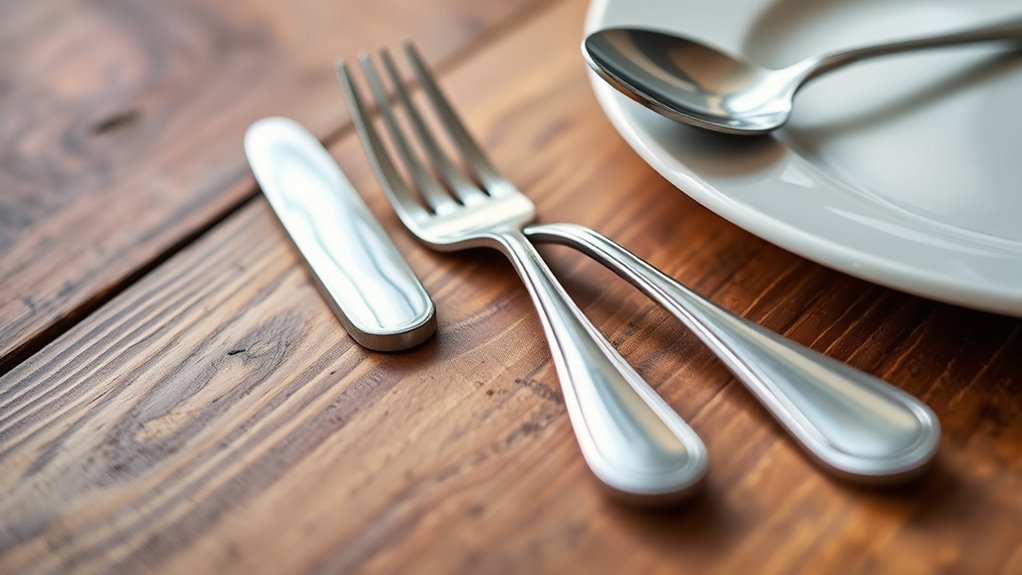
If you want to talk specifically about cutlery like forks, knives, and spoons, use “cubiertos.” Knowing the individual names like “cuchara” for spoon, “tenedor” for fork, and “cuchillo” for knife will help you communicate clearly. These words are essential for ordering food or discussing meals.
Keep exploring Spanish kitchen vocabulary, and you’ll discover useful phrases, cultural tidbits, and handy tips for mastering these terms. This will enhance both your language skills and your appreciation of Spanish-speaking cultures.
Key Takeaways
- The general Spanish term for utensils is “utensilios,” covering various kitchen tools and instruments.
- “Cubiertos” specifically refers to cutlery such as forks, knives, and spoons used for eating.
- Common utensil names include “cuchara” (spoon), “tenedor” (fork), and “cuchillo” (knife).
- Use polite phrases like “¿Me puede traer un utensilio, por favor?” when requesting utensils in Spanish.
- Regional variations exist, but “utensilios” and “cubiertos” are widely understood across Spanish-speaking countries.
What Is the Spanish Word for Utensils?
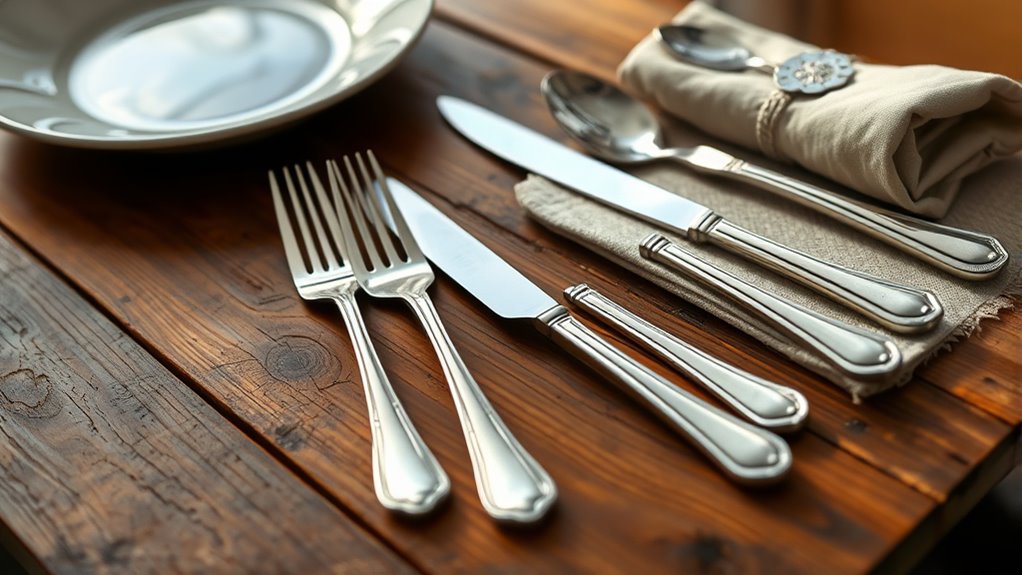
What do you call utensils in Spanish? The general term you’ll use is “utensilios.” This word covers a wide range of tools or instruments used for various purposes, especially in the kitchen.
If you’re talking about cooking or eating tools, “utensilios de cocina” means kitchen utensils. You’ll find that “utensilios” can refer to everything from spatulas to whisks. It’s a versatile term, so whenever you need to mention utensils without specifying what kind, “utensilios” works perfectly.
Just remember, it’s a plural noun, so you’ll often see it paired with plural verbs or adjectives. Mastering this term helps you talk about kitchen tools clearly and effectively in Spanish.
What’s the Difference Between “Utensilios” and “Cubiertos”?
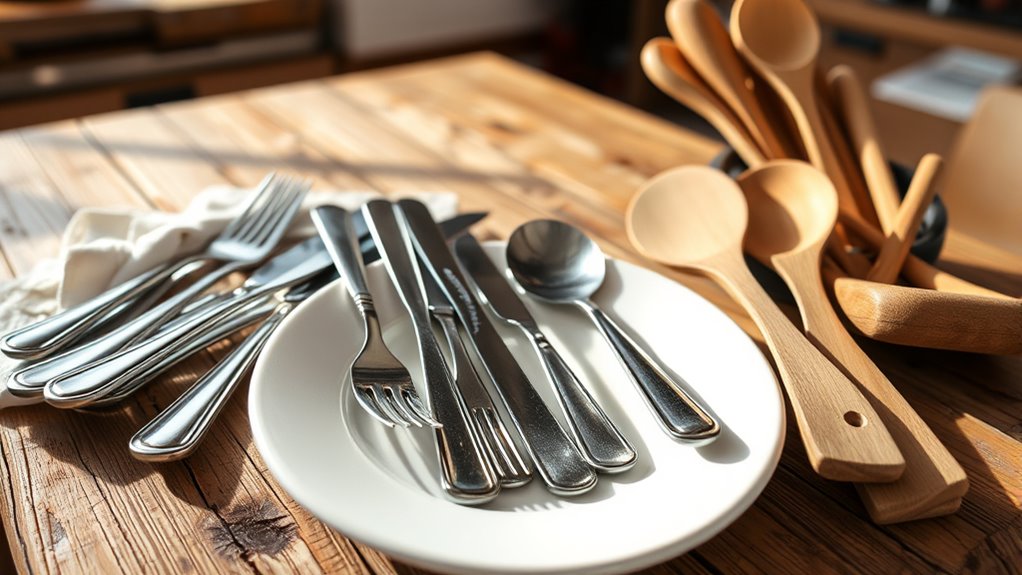
Although both words relate to tools you use at the table or in the kitchen, “utensilios” and “cubiertos” refer to different types of items. When you say “utensilios,” you’re talking about a broad category that includes any kitchen tool—spoons, spatulas, whisks, and more. It covers everything you use to prepare or serve food.
On the other hand, “cubiertos” specifically means cutlery or silverware—the fork, knife, and spoon you use to eat your meal. So, if you’re setting the table, you’d lay out the “cubiertos,” but if you’re cooking, you might reach for “utensilios.” Knowing this distinction helps you communicate clearly, especially when shopping or dining in Spanish-speaking environments.
It’s a handy difference to keep in mind!
Common Kitchen Utensils and Their Spanish Names
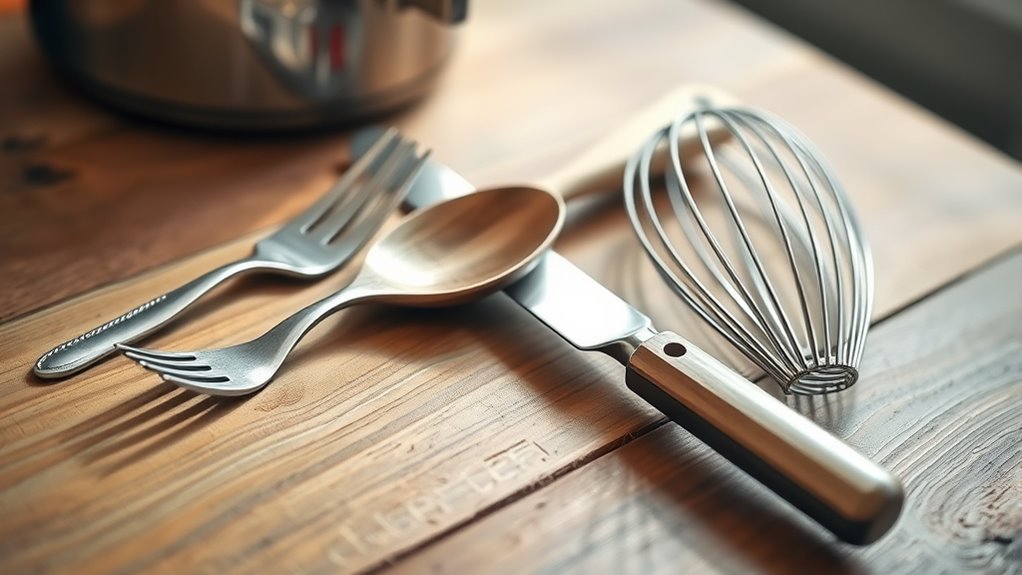
You’ll find that learning the names of essential kitchen utensils in Spanish makes cooking easier and more fun. Let’s explore some common tools you use every day and their Spanish terms.
This way, you’ll be ready to handle any recipe or kitchen conversation with confidence.
Essential Utensils Vocabulary
Since mastering essential utensils is key to steering any kitchen, learning their Spanish names will boost both your language skills and cooking confidence. When you know what to call each tool, following recipes and communicating in Spanish becomes much easier.
Here are some basic utensils you’ll encounter:
| English | Spanish |
|---|---|
| Spoon | Cuchara |
| Fork | Tenedor |
| Knife | Cuchillo |
| Plate | Plato |
These words form the foundation of your kitchen vocabulary. Keep practicing them as you cook, and soon you’ll use them naturally.
Knowing these essentials helps you navigate recipes, ask for ingredients, or even help others in a Spanish-speaking kitchen. It’s a simple step that opens up a world of culinary and language possibilities.
Common Kitchen Tools Names
Mastering the basic utensil names sets you up to recognize a wider range of kitchen tools in Spanish. When you step into a Spanish-speaking kitchen, you’ll spot a cuchillo (knife), tenedor (fork), and cuchara (spoon) right away.
Beyond these essentials, you’ll want to know about the sartén (frying pan), olla (pot), and tabla de cortar (cutting board). If you’re mixing ingredients, the batidor (whisk) and cucharón (ladle) come in handy.
Don’t forget the colador (strainer) for draining pasta or washing vegetables. Knowing these terms helps you follow recipes and communicate clearly while cooking.
As you learn, you’ll gain confidence using tools like the rallador (grater) or espátula (spatula). This vocabulary expands your cooking skills in any Spanish-speaking kitchen.
Using “Utensils” in Spanish Sentences
Now that you know common utensil names, you’ll start using them in sentences. You’ll practice mentioning utensils in everyday situations and describing their features clearly.
This will help you speak more naturally about kitchen tools in Spanish.
Common Utensils Vocabulary
When you learn common utensil names in Spanish, you’ll find it easier to describe your kitchen or order food at a restaurant. For example, “cuchillo” means knife, “tenedor” is fork, and “cuchara” stands for spoon.
You’ll also want to know “plato” (plate) and “vaso” (glass) to complete your dining vocabulary. When you say, “Necesito un cuchillo y un tenedor,” you’re clearly asking for a knife and fork.
Using these words confidently helps you communicate your needs without confusion. Practicing sentences like “¿Me puede traer una cuchara?” (Can you bring me a spoon?) makes your Spanish sound natural.
Mastering these common utensils sets a solid foundation before moving to more complex kitchen terms.
Utensils In Everyday Context
How do you use utensil vocabulary in everyday Spanish conversations? When you’re cooking or eating, you’ll naturally mention utensils like “cuchillo” (knife), “tenedor” (fork), and “cuchara” (spoon). For example, you might say, “Pásame el tenedor, por favor” (“Pass me the fork, please”) or “Necesito un cuchillo para cortar el pan” (“I need a knife to cut the bread”).
At a restaurant, you could ask, “¿Me trae más servilletas y cucharas?” (“Can you bring me more napkins and spoons?”). Using these words helps you communicate clearly about what you need or use. Practicing these phrases will make your conversations smoother and more natural whenever utensils come up.
Just remember to listen for context, so you pick the right utensil word each time.
Describing Utensils In Sentences
Talking about utensils in everyday situations sets a solid foundation for describing them more clearly in sentences. When you want to talk about utensils in Spanish, start with the basic word “utensilios.” For example, you can say, “Los utensilios están en la cocina” (The utensils are in the kitchen).
To be more specific, mention the utensil’s name: “El tenedor está limpio” (The fork is clean) or “Necesito una cuchara para la sopa” (I need a spoon for the soup). You can also describe their condition or use: “Estos cuchillos están afilados” (These knives are sharp).
Using simple, clear sentences helps you communicate effectively and practice your vocabulary naturally. Don’t hesitate to combine utensils with verbs and adjectives to make your descriptions vivid and useful.
Asking for Utensils When Dining in Spanish
If you find yourself missing a fork or knife at a Spanish-speaking restaurant, you can quickly request utensils by saying, “¿Me puede traer un tenedor, por favor?” which means, “Can you bring me a fork, please?”
To ask for a knife, simply replace “tenedor” with “cuchillo.” If you need a spoon, say, “¿Me puede traer una cuchara, por favor?” Always add “por favor” to sound polite.
If you want multiple utensils, use the plural form: “¿Me puede traer unos tenedores?” (some forks). Remember, staff usually appreciate your effort to speak Spanish, even if your pronunciation isn’t perfect.
Shopping Phrases for Kitchen Utensils
When you’re shopping for kitchen utensils in Spanish, knowing essential vocabulary helps you ask for exactly what you need. You’ll also want to understand how to inquire about price and quality to make the best choice.
Let’s explore key phrases that make your shopping experience smooth and effective.
Essential Shopping Vocabulary
Since shopping for kitchen utensils in Spanish-speaking stores can feel overwhelming, knowing essential vocabulary and phrases will help you communicate clearly and confidently. Start by familiarizing yourself with words like “cuchara” (spoon), “tenedor” (fork), and “cuchillo” (knife).
When you enter the store, you can say, “Estoy buscando utensilios de cocina” (I’m looking for kitchen utensils). If you want to ask about prices, use “¿Cuánto cuesta?” (How much does it cost?) or “¿Hay alguna oferta?” (Is there a sale?).
To confirm quality, you might ask, “¿Es de buena calidad?” (Is it good quality?). These key phrases and terms will make your shopping experience smoother, helping you find exactly what you need without confusion or frustration.
Asking for Specific Utensils
How do you ask for a specific utensil in a Spanish-speaking store? Start by using clear phrases like “¿Tiene un/una [utensil name]?” (Do you have a [utensil name]?). For example, “¿Tiene un cuchillo?” means “Do you have a knife?”
If you want to be polite, add “por favor” at the end. You can also say “Estoy buscando un/una [utensil name]” (I’m looking for a [utensil name]). When you need a particular size or type, specify it: “Quisiera un cucharón grande” (I’d like a large ladle).
If you’re unsure about the utensil’s name, describe it briefly: “¿Dónde están los utensilios para cocinar?” (Where are the cooking utensils?). Using these simple phrases helps you communicate effectively and find exactly what you need.
Understanding Price and Quality
What should you look for to get the best value when buying kitchen utensils? Focus on durability, material, and price. Don’t just grab the cheapest option; sometimes paying a bit more means lasting quality.
Stainless steel, for example, offers longevity, while plastic is lightweight but less durable. Compare prices and feel the utensil’s weight to judge quality. Here’s a quick guide to help you decide:
| Material | Price Range | Durability |
|---|---|---|
| Stainless Steel | $$ – $$$ | High |
| Plastic | $ | Low to Medium |
| Wood | $ – $$ | Medium |
Regional Variations in Spanish Utensil Vocabulary
Although Spanish is spoken across many countries, the words you use for utensils can vary widely depending on the region. For example, a fork is commonly called “tenedor” in most Spanish-speaking countries, but in some places like Argentina, you might hear “tenedor” just as often, while other utensils may have more distinct names.
A spoon is generally “cuchara,” but in parts of Mexico, you could hear “cucharita” to indicate a smaller spoon. When it comes to knives, “cuchillo” is universal, but regional slang or informal terms might pop up in casual conversation.
Knowing these regional differences helps you communicate clearly and avoid confusion when ordering food or shopping for utensils in various Spanish-speaking countries.
Effective Tips to Memorize Spanish Utensil Vocabulary
Understanding the regional variations in Spanish utensil vocabulary sets a strong foundation for learning, but memorizing these terms can still be challenging. To help you retain these words more effectively, try these tips:
- Use Flashcards: Create flashcards with the utensil name in Spanish on one side and the English translation on the other. Review them daily to reinforce memory.
- Practice in Context: Incorporate utensil vocabulary into sentences or short dialogues. This helps you understand how words fit naturally.
- Label Household Items: Stick labels on your utensils at home with their Spanish names. Seeing the words regularly boosts recall.
How Utensil Vocabulary Boosts Your Spanish Skills
By mastering utensil vocabulary, you’ll enhance your ability to describe everyday situations and engage in practical conversations. Knowing words like cuchara (spoon), tenedor (fork), and cuchillo (knife) helps you navigate dining experiences confidently. You can easily follow recipes, ask for utensils, or talk about meals without hesitation.
This vocabulary also strengthens your overall language skills by expanding your word bank and improving your sentence structure. When you practice using these terms, you boost your listening and speaking abilities because you recognize common words in conversations and media. Plus, it prepares you for real-life interactions in Spanish-speaking environments, making your communication more natural and effective.
Building this foundation makes learning other related topics smoother and more enjoyable.
Cultural Insights on Spanish Kitchen Utensils
When you explore Spanish kitchen utensils, you’ll discover they reflect more than just cooking tools—they reveal cultural traditions and regional flavors. Understanding these utensils helps you connect deeply with Spain’s culinary heritage.
- La paella pan (la paellera) – This wide, shallow pan is essential for making the iconic dish, paella, highlighting Spain’s coastal influences.
- Mortar and pestle (el mortero y mano) – Used to grind spices and make sauces like romesco, it symbolizes traditional cooking methods.
- Jamón holder (el jamonero) – This specialized stand holds cured ham, reflecting Spain’s love for jamón ibérico and social dining.
Frequently Asked Questions
Are There Gender Rules for Utensil Words in Spanish?
Yes, you do have to follow gender rules for utensil words in Spanish. Most utensils are masculine, like “el cuchillo,” but some can be feminine.
You’ll need to learn each word’s gender to use them correctly.
Can Utensil Names Vary in Spanish-Speaking Countries?
Yes, utensil names can vary depending on the country. You might hear different terms in Mexico, Spain, or Argentina, so it’s helpful to learn regional variations to avoid confusion when talking about utensils in Spanish.
How Do You Pluralize Utensil Names in Spanish?
You just add an -s or -es to pluralize utensil names in Spanish, depending on the ending.
Don’t worry, it’s like giving your words a tiny hat to show there’s more than one utensil joining the party!
Are Utensil Terms Used Differently in Formal vs. Informal Spanish?
Yes, you’ll notice utensil terms stay the same but might sound more polite or formal in formal Spanish. In informal settings, you can use simpler or regional words, and contractions or slang might pop up casually.
Do Spanish Idioms Use Utensil Vocabulary?
Yes, you’ll find utensil vocabulary in Spanish idioms like “poner toda la carne en el asador,” meaning to give your all. These expressions add flavor and cultural depth to everyday conversations you have.
Conclusion
Now that you’ve opened the treasure chest of Spanish utensil vocabulary, you’re ready to navigate any kitchen or dining table with flair. Remember, every word you learn is a key that opens doors to richer conversations and cultural understanding.
Keep practicing, and soon, asking for “utensilios” or “cubiertos” will feel as natural as breathing. Your Spanish skills will shine brightly, turning everyday moments into delightful linguistic adventures. Mastering these terms will make your experience with utensils in Spanish both enjoyable and effective.