
Are Wheat Straw Cutting Boards Safe to Use Properly?
You can confidently use wheat straw cutting boards as a safe and durable kitchen tool when you care for them properly. These eco-friendly cutting boards are made from natural wheat stalk fibers combined with food-safe binders, making them a smart and sustainable choice for your kitchen.
Wheat straw cutting boards resist moisture, knife marks, and warping better than traditional wood or plastic options.
They are BPA-free and comply with safety standards, which reduces bacteria risks when cleaned well. Proper hygiene and care ensure these boards remain safe for regular use.
Plus, their eco-friendly nature supports sustainability, helping you maintain an environmentally conscious kitchen.
Keep following good hygiene, and you’ll soon discover why wheat straw cutting boards are a practical and safe option for your food preparation needs.
Key Takeaways
- Wheat straw cutting boards are made from natural, food-safe materials and comply with FDA safety guidelines when high-quality products are chosen. They are BPA-free and do not release harmful chemicals during normal cutting or exposure to moisture.
- Their non-porous surface resists moisture and bacteria growth, enhancing hygiene compared to traditional wood boards. Proper use includes hand washing, thorough drying, and regular oiling to prevent cracking and maintain safety.
- Using separate boards for raw meat and vegetables prevents cross-contamination, ensuring safe food handling.
What Are Wheat Straw Cutting Boards Made Of?
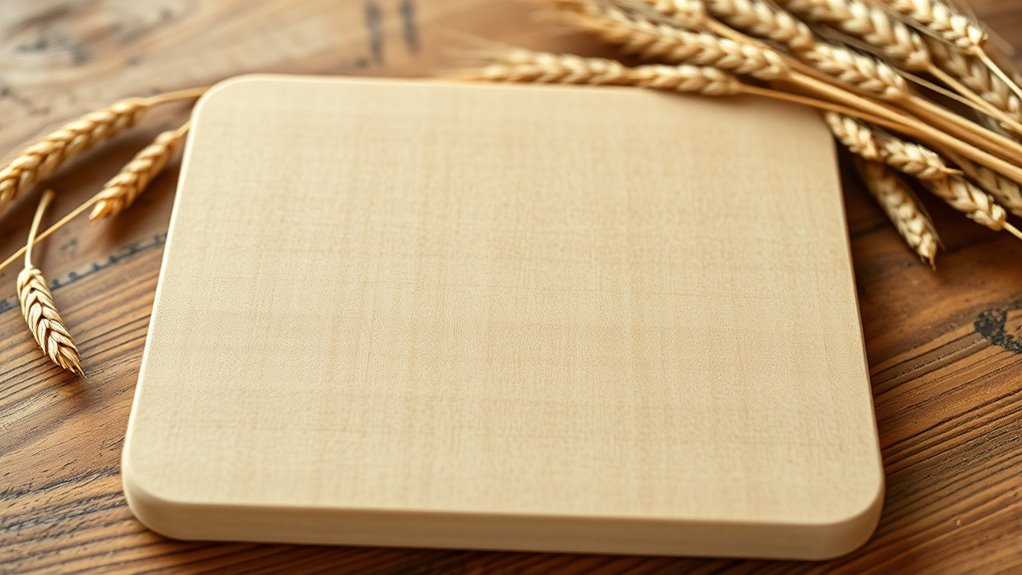
Although you might not realize it at first, wheat straw cutting boards are made from the leftover stalks of wheat plants after harvesting. These stalks, known as wheat straw, are typically discarded or burned, but they find new life in these eco-friendly boards.
The wheat straw is combined with natural, food-safe binders to form a durable, lightweight material. This process avoids using harmful chemicals or plastics, making the boards a sustainable choice for your kitchen.
When you use a wheat straw cutting board, you’re working with a product that’s renewable, biodegradable, and reduces agricultural waste. It’s an innovative way to turn what would be waste into a practical, safe surface for food preparation without compromising on safety or hygiene.
Durability of Wheat Straw Cutting Boards Vs. Wood and Plastic
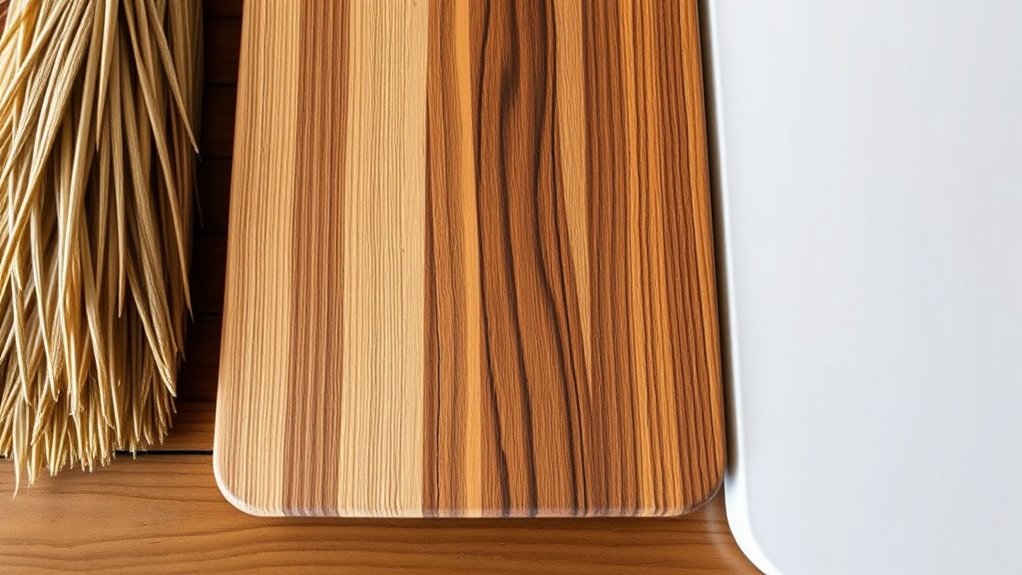
How well do wheat straw cutting boards hold up compared to traditional wood and plastic options? You’ll find wheat straw boards offer impressive durability. They resist cracking and splitting better than many wooden boards, thanks to their composite material.
Unlike plastic boards, which can warp or discolor over time, wheat straw boards maintain their shape and appearance with proper care. While they’re not as heavy-duty as some hardwood boards, they strike a great balance between sturdiness and lightweight convenience. You can expect these boards to last through regular kitchen use without degrading quickly.
Just remember, their lifespan depends on how you care for them—avoiding prolonged moisture exposure and extreme temperatures helps keep them durable longer. Overall, wheat straw boards hold up remarkably well in everyday use.
Resistance to Knife Marks and Warping in Wheat Straw Boards
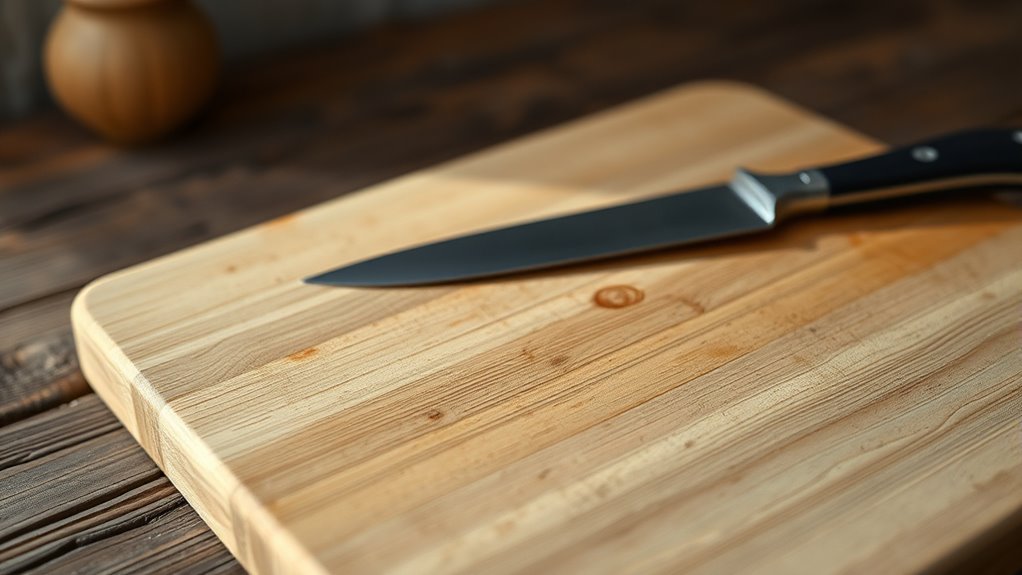
You’ll want to understand how wheat straw cutting boards hold up against knife marks and what prevents them from warping. Knowing the key factors that affect their resistance helps you keep them in good shape.
With the right care, you can extend your board’s lifespan and maintain its performance.
Knife Mark Durability
When you use wheat straw cutting boards, you’ll notice they stand up well to knife marks and resist warping better than many traditional materials. Their durability means you can chop, slice, and dice without worrying about deep grooves or surface damage.
Here’s what you can expect:
- Minimal Knife Marks: The composite structure absorbs impact, reducing visible cuts and scratches.
- Smooth Surface Maintenance: Even after repeated use, the board stays relatively smooth, preventing bacteria buildup.
- Long-Term Resilience: The board maintains its shape and integrity despite frequent knife contact.
This durability makes wheat straw boards a reliable choice for daily kitchen tasks, helping you keep a safer, cleaner cutting surface over time without sacrificing performance.
Warping Resistance Factors
Although many cutting boards warp over time due to moisture and knife impact, wheat straw boards resist these issues thanks to their unique composite design. You’ll find that the tightly bound natural fibers combined with food-safe binders create a stable surface that doesn’t easily absorb water. This limits swelling and warping even after repeated washing.
Plus, the board’s structure evenly distributes pressure from your knife, preventing dents and deep cuts that often cause deformation. When you use a wheat straw cutting board, you can trust it maintains its flat, solid shape longer than many wooden or plastic alternatives. This resistance means you won’t have to worry about uneven surfaces affecting your prep work or compromising safety while chopping.
Maintenance Tips for Longevity
To keep your wheat straw cutting board in top shape and resistant to knife marks and warping, regular care is essential. You’ll want to follow these simple maintenance tips:
- Clean Immediately: Wash your board with mild soap and warm water right after use to prevent staining and buildup. Avoid soaking it to preserve structural integrity.
- Dry Thoroughly: Pat your board dry with a towel and stand it upright to air dry completely. This helps prevent warping caused by moisture.
- Oil Periodically: Apply food-safe mineral oil or beeswax every few weeks to maintain surface moisture and reduce knife marks. This also enhances durability and prevents cracking.
Food Hygiene Safety of Wheat Straw Cutting Boards
Because wheat straw cutting boards resist moisture better than traditional wood, they help reduce bacterial growth and cross-contamination risks in your kitchen. You’ll find these boards less prone to absorbing liquids, which means fewer chances for harmful bacteria to linger. To maintain food hygiene, always wash your wheat straw board with hot, soapy water after each use and dry it thoroughly.
Avoid soaking it for long periods, as this can compromise its structure. Using separate boards for different food types—like raw meat and vegetables—further enhances safety. Additionally, wheat straw boards are non-porous, making them easier to clean and less likely to trap food particles.
Bacteria and Mold Risks on Wheat Straw Cutting Boards
You need to understand how bacteria can grow on wheat straw cutting boards and what conditions encourage mold development. Knowing these risks helps you keep your board clean and safe.
Let’s look at simple cleaning tips to reduce these hazards effectively.
Bacteria Growth Potential
Although wheat straw cutting boards resist water better than some materials, they can still harbor bacteria and mold if not cleaned properly. You need to be aware that bacteria can thrive in tiny grooves and cuts where food particles get trapped.
To minimize bacteria growth potential, you should:
- Wash the board immediately after use with hot, soapy water to remove residue.
- Dry the board thoroughly to prevent moisture buildup, which encourages bacterial growth.
- Regularly sanitize the board using a mild bleach solution or vinegar to kill lingering bacteria.
Mold Development Factors
Bacteria and mold often share similar conditions for growth, making it important to understand what encourages mold development on wheat straw cutting boards. Mold thrives in warm, damp environments, so if you leave your cutting board wet or store it in a humid area, mold can quickly take hold. The porous nature of wheat straw composite can trap moisture, providing an ideal breeding ground for mold spores.
If food residues aren’t removed promptly, they add nutrients that support mold growth. Also, prolonged exposure to stagnant air can worsen the problem by preventing drying. To minimize mold risks, you need to be mindful of moisture and storage conditions, ensuring your cutting board isn’t left wet or in a closed, humid space where mold can easily develop and compromise its safety.
Cleaning Tips for Safety
Since wheat straw cutting boards can harbor bacteria and mold if not cleaned properly, it’s essential to follow effective cleaning practices to keep them safe. You want to remove food residues and moisture quickly to prevent microbial growth. Here’s how to do it right:
- Wash your cutting board immediately after use with warm, soapy water. Avoid soaking it, as excess water can cause damage and encourage mold.
- Disinfect regularly by wiping the surface with a solution of one tablespoon of white vinegar mixed with one cup of water. Vinegar naturally kills bacteria without harming the board.
- Dry your cutting board thoroughly after washing. Store it in a well-ventilated area to keep moisture from building up and creating a breeding ground for bacteria and mold.
Following these steps helps maintain a clean, safe cutting surface.
Harmful Chemicals in Wheat Straw Cutting Boards: Myth or Reality?
When you consider switching to wheat straw cutting boards, you might worry about harmful chemicals lurking in the material. However, wheat straw boards are primarily made from natural plant fibers combined with food-safe, non-toxic binders. Manufacturers often highlight their use of eco-friendly, BPA-free resins to guarantee safety.
Unlike plastic boards, these don’t release dangerous chemicals when cut or exposed to moisture. Still, it’s essential to buy from reputable brands that comply with safety standards, as poor-quality products might contain unsafe additives. Overall, the concern about harmful chemicals in wheat straw cutting boards is mostly a myth, provided you choose well-made options.
This makes them a safer, greener alternative to traditional plastic or composite boards in your kitchen.
How to Clean and Maintain Wheat Straw Cutting Boards
You’ll want to clean your wheat straw cutting board properly to keep it safe and durable. Using the right techniques prevents buildup and damage over time.
Let’s explore simple maintenance tips to help your board last longer and stay in great shape.
Proper Cleaning Techniques
Although wheat straw cutting boards are durable, proper cleaning is essential to keep them safe and extend their lifespan. You’ll want to prevent lingering bacteria and stains by cleaning your board thoroughly after each use. Here’s how you can do it effectively:
- Rinse the board immediately with warm water to remove food particles.
- Wash it with mild dish soap and a soft sponge; avoid harsh scrubbing to prevent damage.
- Rinse thoroughly and dry the board with a clean towel, then let it air dry completely.
Avoid soaking your wheat straw board or placing it in the dishwasher, as excessive water and heat can compromise its structure. By following these steps, you maintain hygiene and ensure your cutting board lasts longer.
Maintenance Tips and Tricks
Keeping your wheat straw cutting board clean is just the start of proper maintenance. To extend its life, dry it thoroughly after each wash to prevent moisture buildup that can cause warping or mold. Avoid soaking it in water or placing it in the dishwasher, as excessive heat and water damage the board.
Store your cutting board in a well-ventilated area, standing it upright to allow air circulation. Occasionally, rub a food-safe mineral oil or beeswax on the surface to keep it hydrated and prevent cracking. If you notice any stubborn stains or odors, sprinkle baking soda on the board, scrub gently, and rinse.
Following these simple steps will keep your wheat straw cutting board safe, clean, and durable for everyday kitchen use.
Can You Put Wheat Straw Cutting Boards in the Dishwasher?
Wheat straw cutting boards generally aren’t dishwasher safe because the high heat and strong detergents can cause warping or damage. Instead, you should wash them by hand to keep them in good shape. Here’s what you should do:
Wheat straw cutting boards shouldn’t go in the dishwasher; hand washing preserves their shape and durability.
- Rinse the board with warm water immediately after use to remove food particles.
- Use mild dish soap and a soft sponge to clean the surface gently.
- Dry the board thoroughly with a towel and let it air dry completely before storing.
Dishwashers can break down the fibers in the wheat straw material, reducing the board’s lifespan and safety. By sticking to hand washing, you’ll maintain your board’s durability and hygiene without risking damage.
What Kitchen Safety Standards Say About Wheat Straw Cutting Boards
Hand washing your wheat straw cutting board helps preserve its structure, but you might wonder how these boards measure up against official kitchen safety standards. Generally, wheat straw boards comply with food safety regulations, including being BPA-free and meeting FDA guidelines for food contact materials. These standards ensure the materials don’t leach harmful chemicals into your food.
However, because wheat straw is a composite material, some boards may vary in quality, so it’s important to choose products tested and certified by reputable organizations. You should also inspect your board regularly for cracks or deep grooves, as bacteria can harbor there despite the material’s safety. Following manufacturer care instructions and maintaining cleanliness aligns with standard kitchen safety practices, keeping your food preparation safe and hygienic.
How Eco-Friendly Are Wheat Straw Cutting Boards Compared to Other Options?
Although many cutting boards are available, wheat straw options stand out for their eco-friendly qualities. When you choose a wheat straw cutting board, you’re supporting sustainability in several key ways:
- Renewable Material: Wheat straw is an agricultural byproduct that would otherwise be discarded or burned, so using it reduces waste and reliance on wood or plastic.
- Lower Carbon Footprint: Producing wheat straw boards uses less energy and emits fewer greenhouse gases compared to plastic or hardwood cutting boards.
- Biodegradability: Unlike plastic, wheat straw decomposes naturally, minimizing landfill impact.
Should You Choose a Wheat Straw Cutting Board for Your Kitchen?
Considering the environmental benefits of wheat straw cutting boards, you might wonder if they’re the right choice for your kitchen. They’re lightweight, durable, and resistant to cracking, making them practical.
Plus, they’re naturally antibacterial and easy to clean, which enhances food safety. However, they may not be as knife-friendly as wood, potentially dulling blades faster.
If you want an eco-friendly, low-maintenance board without heavy upkeep, wheat straw is worth considering.
| Feature | Wheat Straw Cutting Board |
|---|---|
| Durability | High |
| Maintenance | Low |
| Knife-friendliness | Moderate |
| Environmental Impact | Low (biodegradable) |
| Safety | Naturally antibacterial |
Choosing wheat straw means balancing eco-consciousness with your kitchen needs.
Frequently Asked Questions
Can Wheat Straw Cutting Boards Be Used for Serving as Well as Cutting?
Yes, you can use wheat straw cutting boards for serving as well as cutting. They’re durable, lightweight, and food-safe, making them perfect for prepping and presenting food without worrying about damage or contamination.
Are Wheat Straw Cutting Boards Suitable for People With Gluten Allergies?
You might hesitate, wondering if wheat straw cutting boards pose a risk. Don’t worry—they’re made from processed fibers, not gluten-containing wheat proteins, so you won’t trigger allergies.
You can safely use them without concern.
How Do Wheat Straw Cutting Boards Compare in Weight to Other Boards?
Wheat straw cutting boards are generally lighter than traditional wood or bamboo boards, making them easier for you to handle and store. Their lightweight design doesn’t compromise durability, so you won’t sacrifice performance for convenience.
This makes them a practical choice for everyday use. You can easily move and clean them without much effort. Plus, their eco-friendly material adds an environmental benefit.
Can Wheat Straw Cutting Boards Be Customized or Personalized?
You can customize wheat straw cutting boards just like wooden ones, adding names or designs.
While wood offers rich textures for engraving, wheat straw provides a smooth, eco-friendly surface that still lets your creativity shine bright and bold.
What Is the Typical Lifespan of a Wheat Straw Cutting Board Under Normal Use?
You can expect a wheat straw cutting board to last about 1 to 3 years with regular use. How long it lasts depends on care, cleaning habits, and cutting frequency, so keep it dry and avoid harsh scrubbing.
Proper maintenance can significantly extend its lifespan. Always dry the board thoroughly after washing. Avoid soaking it in water for long periods.
Conclusion
You might worry wheat straw cutting boards aren’t as durable as wood or plastic, but they actually hold up well against knife marks and warping. Plus, they’re easy to clean and resist bacteria when used properly.
If you want a safe, eco-friendly option that’s gentle on your knives and the planet, wheat straw boards are a smart choice. Just remember to hand wash them gently to keep them lasting longer.
In conclusion, wheat straw cutting boards are safe to use properly, offering durability, hygiene, and sustainability. Choosing wheat straw cutting boards supports an eco-friendly kitchen while protecting your knives.