
Are Pressure Cookers Dangerous
Pressure cookers aren’t dangerous if you use them right and maintain them regularly. These kitchen appliances come with built-in safety features like locking lids and pressure release valves that prevent accidents. Proper use and maintenance are key to safe pressure cooking.
Just avoid overfilling, never force open the lid while pressurized, and check seals and valves often. Following the manufacturer’s instructions keeps you safe and guarantees fast, efficient cooking.
Understanding how pressure cookers work and their precautions helps you cook confidently and securely. With the right care, pressure cookers can be a safe and time-saving tool in your kitchen.
Key Takeaways
- Modern pressure cookers have multiple safety features to prevent accidents, such as locking lids and pressure release valves.
- Proper use and regular maintenance significantly reduce the risk of dangerous malfunctions or explosions.
- Overfilling and forcing open the lid under pressure are common causes of pressure cooker accidents.
- When used correctly, pressure cookers safely cook food faster while eliminating harmful bacteria.
- Inspecting gaskets, valves, and vent pipes before each use ensures safe and reliable operation.
Are Pressure Cookers Dangerous? What You Need to Know
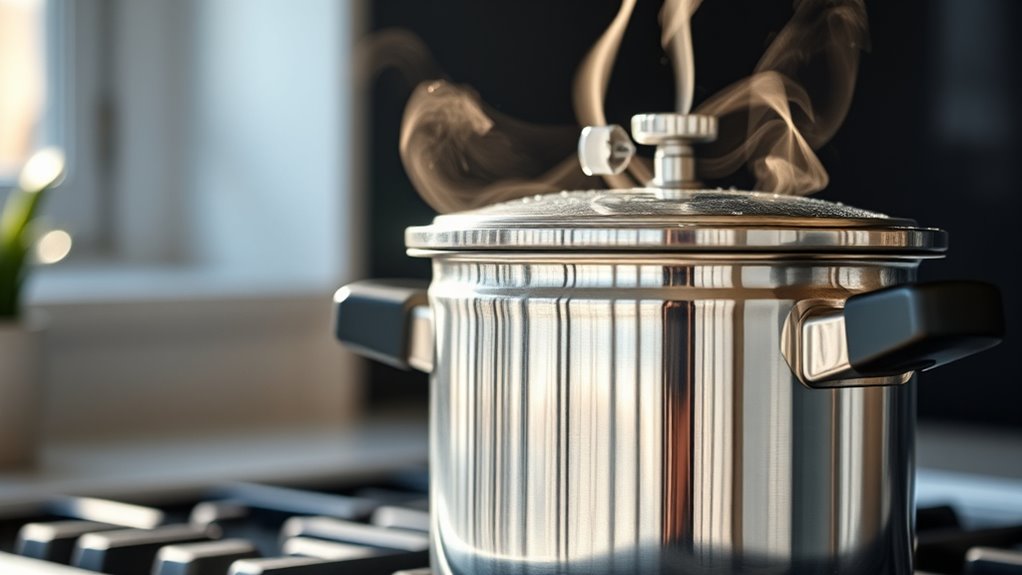
Although pressure cookers have a reputation for being risky, they’re actually quite safe when used correctly. You just need to follow the instructions and maintain your cooker properly. Modern pressure cookers come with multiple safety features like locking lids and pressure release valves, which prevent accidents.
You should never force the lid open while it’s still pressurized, and always let the pressure release naturally or use the quick-release method as directed. Also, check the gasket regularly for cracks or wear since a damaged seal can cause steam leaks. By using fresh water, not overfilling the pot, and keeping the vents clear, you minimize any risks.
When you handle your pressure cooker with care, it’s a reliable and safe kitchen tool.
How Do Pressure Cookers Cook Food So Quickly?
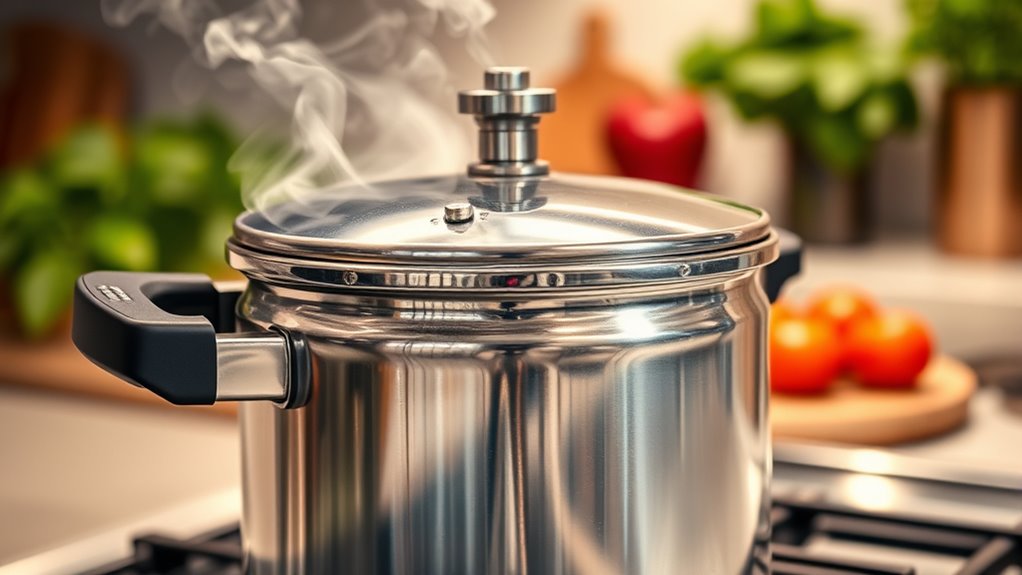
Because pressure cookers trap steam and increase the internal pressure, they raise the boiling point of water well above 212°F (100°C). This higher temperature cooks your food faster than traditional methods. When water boils inside the sealed pot, it creates steam that builds pressure, which forces heat deeper into the food.
This not only speeds up cooking but also helps retain moisture and nutrients. You don’t have to wait long for tough ingredients, like beans or meat, to soften. The intense heat and pressure break down fibers quickly, cutting cooking times considerably.
What Safety Features Do Modern Pressure Cookers Have?
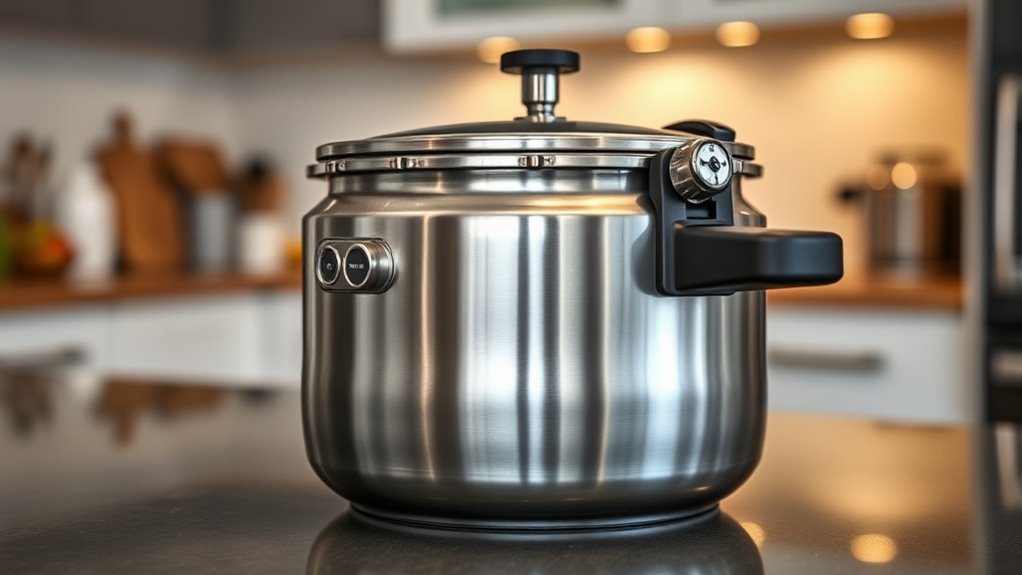
When you use a modern pressure cooker, you benefit from multiple built-in safety features designed to prevent accidents and guarantee smooth operation. For starters, you’ll find locking lids that won’t open until the pressure inside drops to a safe level. Pressure release valves automatically vent excess steam, so you don’t have to worry about dangerous pressure buildup.
Many models include sensors that monitor pressure and temperature, adjusting heat as needed or shutting off the cooker if something’s wrong. Some also have gaskets that seal tightly but release pressure safely if it gets too high. These features work together to give you peace of mind, letting you focus on cooking without constantly watching or worrying about safety hazards.
What Are the Most Common Pressure Cooker Accidents?
How do pressure cooker accidents usually happen? Most common accidents occur when the cooker is overfilled, causing food to block the pressure release valve. You might also experience burns if the lid is opened too soon, before the pressure fully drops.
Another frequent issue is steam escaping unexpectedly through a faulty seal or valve, which can cause serious injuries. Sometimes, accidents happen because the gasket is worn out or improperly placed, leading to pressure leaks. Additionally, if you use a damaged or incompatible cooker, it increases the risk of malfunction.
While these accidents are rare, they often result from user error or neglecting maintenance. Knowing these common causes helps you stay aware and cautious when using your pressure cooker.
How Can You Prevent Pressure Cooker Explosions?
To prevent pressure cooker explosions, you need to follow safety guidelines carefully and maintain your cooker regularly. First, always check the rubber gasket and safety valves for wear or damage before each use; replace parts as needed. Make sure the lid locks securely and never force it open while the cooker is pressurized.
Use the recommended amount of liquid to generate proper steam pressure, and avoid overfilling the cooker. Clean the vent pipe thoroughly to prevent blockages that could trap pressure. Also, never tamper with or disable safety features—they’re there to protect you.
What Mistakes Should You Avoid When Using a Pressure Cooker?
Although pressure cookers offer convenience and efficiency, using them incorrectly can lead to dangerous situations. First, don’t overfill your pressure cooker; filling it beyond two-thirds capacity can block the vent and cause excessive pressure buildup. Avoid using the wrong type or damaged sealing ring, as this compromises the cooker’s ability to maintain pressure safely.
Never force the lid open while the cooker is still pressurized—wait until all pressure is released naturally. Skipping the step of checking and cleaning the vent pipe can cause blockages, leading to dangerous pressure levels. Ultimately, don’t ignore your cooker’s instructions; every model has specific guidelines you should follow carefully to avoid accidents and ensure safe operation.
How Do You Maintain and Inspect Your Pressure Cooker Safely?
To keep your pressure cooker safe, you need to clean it regularly and check the safety valves for any blockages. Don’t forget to inspect the seals and gaskets to make sure they’re intact and flexible.
These simple steps help prevent accidents and keep your cooker working smoothly.
Regular Cleaning Practices
Since pressure cookers rely on tight seals and precise mechanisms, you should clean and inspect them regularly to guarantee safety. After each use, wash the lid, gasket, and pot with warm soapy water, avoiding abrasive cleaners that can damage surfaces. Remove the gasket carefully and inspect it for cracks, stiffness, or deformation, as a compromised gasket won’t seal properly.
Clean the gasket groove to prevent food buildup, which can interfere with sealing. Dry all parts thoroughly before reassembling to avoid rust or mold growth. Make sure to clean the vent pipe gently with a small brush or pipe cleaner to remove any blockages.
Check Safety Valves
Before each use, you should carefully check the safety valves on your pressure cooker to verify they’re clear and functioning properly. Start by removing any food particles or debris that might clog the valve openings. Use a small brush or a toothpick to gently clean the valve without damaging it.
Then, inspect the valve for any signs of wear, cracks, or corrosion that could affect its performance. If the valve doesn’t move freely or appears damaged, replace it immediately to avoid pressure build-up risks. Never try to force or modify the valve yourself.
Regularly testing the valve by lifting it slightly can help guarantee it releases pressure as designed. This simple step keeps your pressure cooker safe and reliable every time you use it.
Inspect Seals And Gaskets
Although you might focus on safety valves, inspecting the seals and gaskets is just as essential for keeping your pressure cooker safe. These rubber or silicone parts ensure a tight seal, preventing steam from escaping during cooking. Before each use, check the gasket for cracks, brittleness, or any signs of wear.
If you notice any damage, replace it immediately to avoid pressure loss or dangerous steam leaks. Also, clean the gasket regularly with warm soapy water, and avoid harsh chemicals that can degrade the material. When reinstalling, make sure the gasket sits evenly in its groove to maintain an airtight seal.
Taking these simple steps helps you maintain your pressure cooker’s safety and performance every time you cook.
When Should You Stop Using an Old or Damaged Pressure Cooker?
If you notice your pressure cooker has cracks, warped parts, or a faulty seal, it’s time to stop using it immediately. These damages can cause dangerous steam leaks or even explosions. Also, if the pressure release valve is clogged or damaged, don’t risk it—replace the cooker.
Over time, metal fatigue can weaken the pot, so if you see discoloration, pitting, or dents, it’s safer to retire it. Never ignore persistent problems like difficulty maintaining pressure or strange noises. Your safety depends on reliable equipment, so don’t try to fix serious issues yourself.
Instead, invest in a new pressure cooker to ensure your meals are both safe and delicious without risking an accident.
Can Pressure Cookers Cause Foodborne Illness?
Ensuring your pressure cooker is in good condition helps prevent accidents, but you also need to use it correctly to avoid foodborne illness. If you don’t cook food at the right temperature or for the recommended time, harmful bacteria like Salmonella or E. coli can survive. Pressure cookers rely on high heat and steam pressure to kill pathogens, so undercooking increases the risk of illness.
Always follow your recipe’s instructions closely, making sure the cooker reaches and maintains proper pressure. Also, avoid overcrowding the pot, as this can prevent even heat distribution. Cleaning your pressure cooker thoroughly after each use removes bacteria and prevents cross-contamination.
Are Electric Pressure Cookers Safer Than Stovetop Models?
When you compare electric pressure cookers to stovetop models, electric ones often come with built-in safety features that make them easier to use and less prone to accidents. You don’t have to worry about manually adjusting heat or pressure because electric cookers regulate these automatically.
Plus, many models include safety locks that prevent the lid from opening while the cooker is pressurized, reducing the risk of burns. They also typically have sensors that detect overheating or excessive pressure and shut off the cooker if needed.
Many electric cookers have safety locks and sensors that prevent accidents by controlling pressure and overheating.
Here’s what makes electric pressure cookers safer for you:
- Automatic pressure and temperature control
- Safety lid locks that engage under pressure
- Overheat and pressure sensors with auto shutoff
- User-friendly digital interfaces with clear alerts
These features help you cook safely with less guesswork.
Why Pressure Cookers Are Safe When Used Correctly
Although pressure cookers operate under high pressure, they’re designed with multiple safety mechanisms that protect you as long as you follow the instructions. You’ll find features like locking lids that prevent opening until pressure drops, pressure release valves to avoid excess buildup, and gaskets that guarantee a tight seal.
By regularly checking these parts and never forcing the lid open, you minimize risks considerably. You also need to use the right amount of liquid and avoid overfilling, which keeps pressure stable.
When you stick to manufacturer guidelines and maintain your cooker well, it’s a reliable, safe tool. So, while pressure cookers can seem intimidating, using them correctly makes them safe and efficient for everyday cooking.
Frequently Asked Questions
What Is the History of Pressure Cookers?
You’ll find pressure cookers were invented by Denis Papin in 1679 to speed cooking using steam pressure. Over time, they became safer and more popular, revolutionizing how you prepare meals quickly and efficiently.
Can Pressure Cookers Be Used for Canning?
Yes, you can use pressure cookers for canning, but only for low-acid foods. Make sure your pressure cooker reaches the right pressure and maintains it, or you risk unsafe preservation and potential foodborne illness.
What Types of Foods Are Best Cooked in a Pressure Cooker?
You’ll get the best results cooking tough meats, beans, stews, soups, and whole grains in a pressure cooker. It quickly tenderizes and infuses flavors while saving you time and energy in the kitchen.
How Do Pressure Cookers Affect the Nutritional Value of Food?
Pressure cookers help retain more nutrients by cooking food quickly with less water. You’ll keep vitamins and minerals intact better than boiling, so your meals stay nutritious while saving time and energy.
Are Pressure Cookers Energy Efficient Compared to Other Cooking Methods?
You’ll save up to 70% energy using a pressure cooker compared to traditional methods. It cooks food faster by trapping steam, so you use less heat and time, making it a smart, energy-efficient choice in your kitchen.
Conclusion
Pressure cookers might seem like ticking time bombs, but when you use them right, they’re as safe as a trusted kitchen companion. Understanding their safety features and following simple precautions can prevent accidents and keep your meals deliciously safe. Don’t ignore signs of wear or damage, and always keep your cooker clean.
With care and attention, pressure cookers can speed up your cooking without risking your safety. They turn your kitchen into a pressure-perfect haven. By respecting their design and maintenance needs, pressure cookers provide a safe and efficient cooking experience.