
What Is Cookware
Cookware includes essential kitchen items like pots, pans, and utensils that you use to prepare meals. These tools play a key role in how your food cooks and tastes, making the choice of cookware material important.
Selecting the right cookware—such as cast iron for searing or nonstick for easy cleanup—helps you cook evenly and saves time.
Proper cookware prevents food from sticking and burning, enhancing your overall cooking experience.
Whether you are a beginner or an experienced cook, understanding which cookware pieces suit your style is valuable.
Learning how to maintain your cookware will also extend its lifespan and performance.
If you want to master the art of cooking with the right cookware, there’s plenty more to discover about materials, techniques, and care.
Key Takeaways
- Cookware consists of pots, pans, and utensils used for preparing and cooking food.
- It influences cooking quality by ensuring even heat distribution and preventing sticking or burning.
- Common cookware materials include stainless steel, cast iron, nonstick, and copper, each with unique benefits.
- Proper cookware improves cooking efficiency, flavor, and overall kitchen experience.
- Maintaining cookware well extends its lifespan, ensuring safe and effective use during meal preparation.
What Is Cookware and Why It Matters

What exactly is cookware, and why should you care about it? Cookware includes all the pots, pans, and utensils you use to prepare meals. It’s more than just kitchen tools; it directly affects how your food cooks and tastes.
Choosing the right cookware means you can cook evenly, avoid sticking or burning, and clean up easily afterward. When you use good cookware, you’ll notice your meals turn out better, and cooking becomes more enjoyable. Plus, the right pieces can save you time and energy, making your kitchen routine smoother.
Understanding cookware helps you get the most from your cooking efforts, so you don’t waste money on items that don’t perform well or aren’t suited to your cooking style.
Common Cookware Materials and Their Cooking Benefits
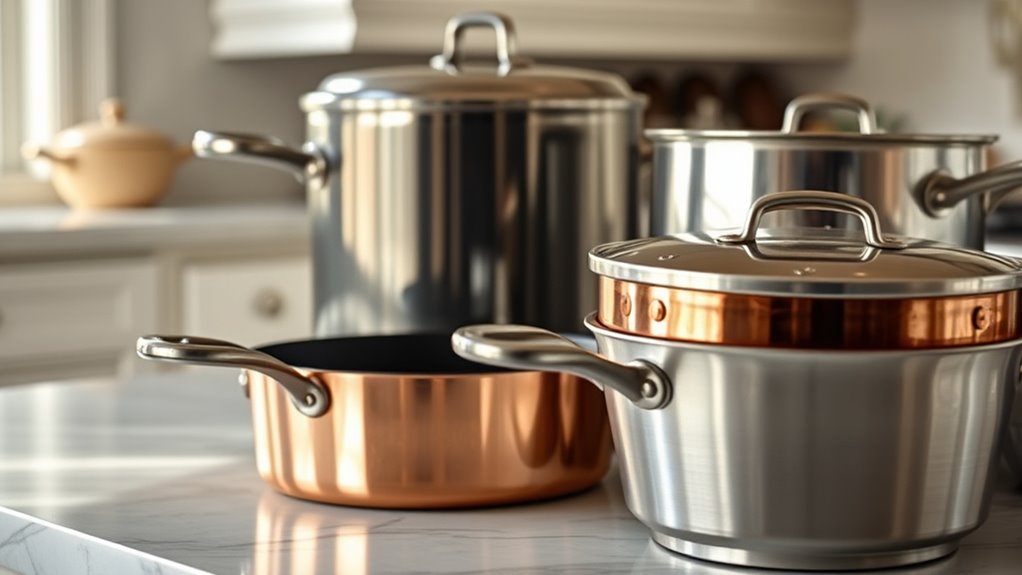
Since the material of your cookware affects heat distribution, durability, and maintenance, choosing the right one is essential for successful cooking. Different materials offer unique benefits that can enhance your kitchen experience.
Choosing the right cookware material is key to improving heat distribution, durability, and overall cooking success.
- Stainless Steel: Durable and resistant to rust, it heats evenly and is great for browning and deglazing.
- Cast Iron: Excellent heat retention, perfect for slow cooking and searing, though it requires seasoning to maintain.
- Nonstick: Allows cooking with less oil and easy cleanup but can be less durable and sensitive to high heat.
- Copper: Provides superior heat conductivity and precise temperature control, but it demands regular polishing to prevent tarnish.
Pick cookware that suits your cooking style and maintenance preferences for the best results.
How Different Cookware Types Affect Your Meals
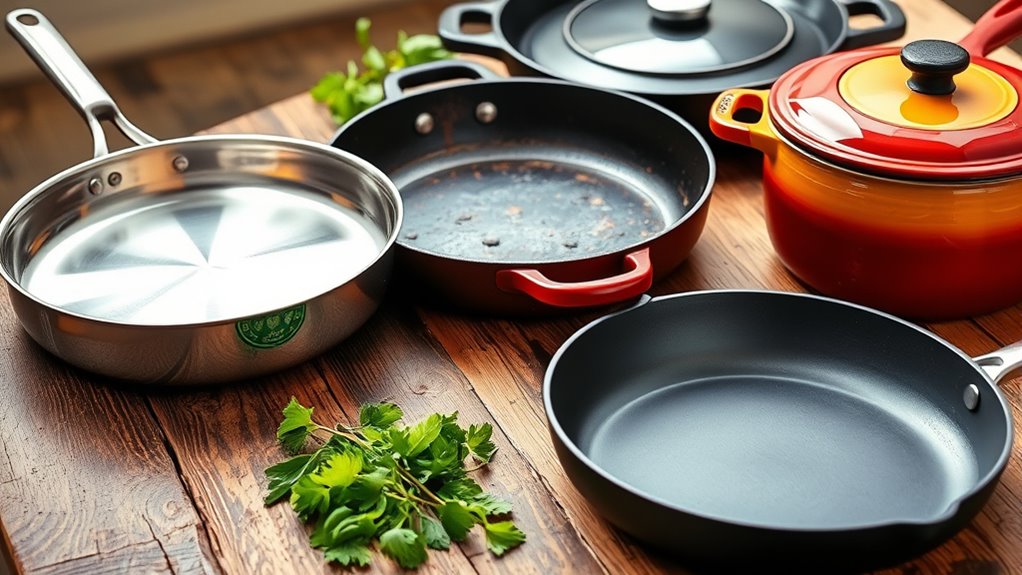
You’ll notice that the way heat spreads through your cookware can change how evenly your food cooks. Different materials also add subtle flavors that affect your meal’s taste.
Let’s explore how these factors come into play with various cookware types.
Heat Distribution Impact
Although cookware materials vary widely, they all influence how heat spreads across the surface, directly affecting your cooking results. When you understand heat distribution, you can choose the right cookware to cook evenly and avoid hot spots.
- Cast Iron retains heat well, giving you steady, even cooking but takes longer to heat up.
- Aluminum heats quickly and distributes heat evenly, making it perfect for fast cooking.
- Stainless Steel alone can have uneven heat spots, but layered constructions improve distribution.
- Copper offers the best heat conductivity, allowing precise temperature control for delicate dishes.
Material Flavor Influence
When cooking, the type of cookware you choose can subtly influence the flavors in your meals. For example, cast iron pans often add a unique, slightly earthy taste to your food, especially if they’re well-seasoned.
Copper cookware, known for excellent heat conduction, doesn’t usually affect flavor but can react with acidic ingredients if not lined properly, potentially altering taste. Stainless steel is neutral, which means it won’t interfere with your dish’s natural flavors, making it a reliable choice.
Non-stick pans keep flavors pure but sometimes release a slight chemical hint if overheated. Understanding these material influences helps you pick the right cookware to enhance your cooking experience and maintain the intended taste of each recipe.
Choosing the Right Cookware for Your Cooking Style
Since every cook has unique preferences and techniques, choosing the right cookware can considerably impact your kitchen experience. You want tools that complement your style, whether you’re searing steaks or simmering sauces.
Every cook’s unique style deserves cookware that enhances both technique and kitchen enjoyment.
Here’s how to pick cookware that fits you:
- Consider heat control: If you like precise temperature adjustments, go for materials like stainless steel or copper.
- Think about maintenance: Non-stick pans are easy to clean, perfect if you prefer low upkeep.
- Match your cooking methods: Heavy-duty cast iron suits high-heat cooking, while lightweight aluminum works well for quick sautés.
- Evaluate durability: Choose cookware that lasts with your lifestyle, whether it’s daily use or occasional cooking.
Picking cookware tailored to your style makes cooking more enjoyable and efficient.
Essential Cookware Pieces Every Kitchen Needs
You’ll want to have a few must-have cookware pieces that cover all your basic cooking needs. These versatile essentials make meal prep easier and more efficient.
Let’s explore the key items every kitchen should include.
Must-Have Cookware Types
Although cooking styles vary, certain cookware pieces remain essential for any kitchen. You’ll want to have these must-have cookware types to cover most cooking needs efficiently.
- Skillet/Frying Pan – Perfect for sautéing, frying, and searing, a good skillet is a cornerstone of your kitchen.
- Saucepan – Ideal for boiling, simmering, and making sauces, it handles liquid-based recipes with ease.
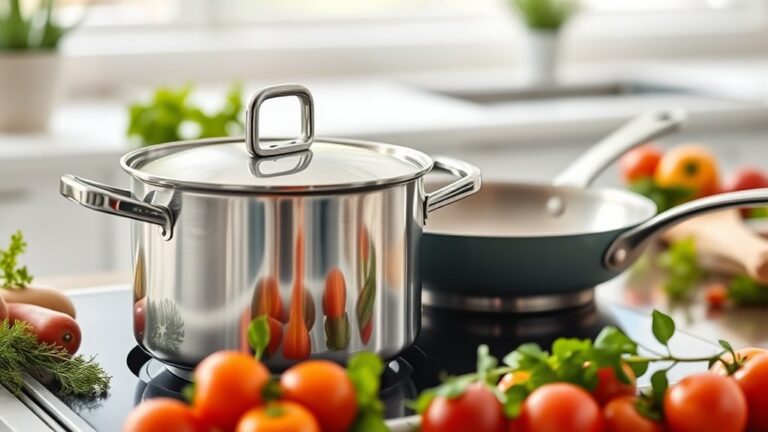
- Stockpot – Use this large pot for soups, stews, and boiling pasta or vegetables.
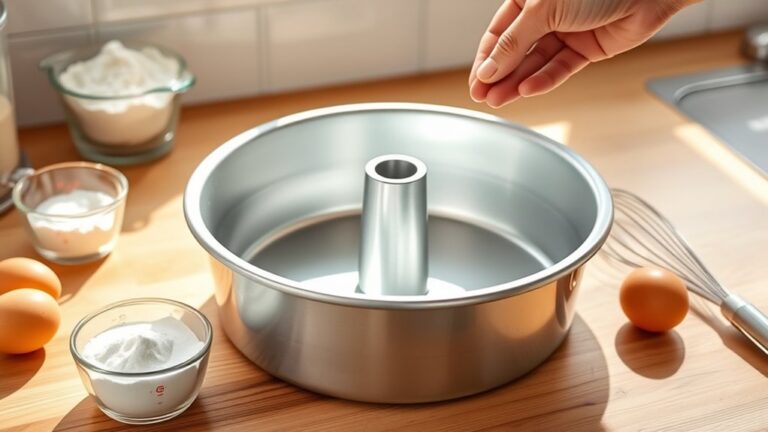
- Baking Dish – Essential for roasting, casseroles, or oven-baked meals, this versatile piece rounds out your cookware collection.
With these four, you’re well-equipped to tackle a wide range of recipes without cluttering your kitchen.
Versatile Kitchen Essentials
When you build a kitchen, choosing versatile cookware pieces lets you handle countless recipes without overcrowding your space. Start with a good-quality sauté pan; its high sides and lid make it perfect for searing, simmering, and even frying.
Add a sturdy saucepan for boiling, making sauces, or reheating leftovers. A heavy-bottomed skillet or frying pan is essential for everyday tasks like scrambling eggs or crisping vegetables. Don’t forget a stockpot—it’s ideal for soups, stews, and pasta.
Finally, a reliable baking sheet can double as a roasting pan or tray for sheet-pan meals. These essentials cover a wide range of cooking methods, making your kitchen efficient and adaptable. With these tools, you’ll be ready for almost any dish without cluttering your cabinets.
When to Use Nonstick, Stainless Steel, or Cast Iron Cookware
Choosing the right cookware depends on the dish you’re preparing and the cooking method you prefer. Each type offers unique benefits, so here’s when to use nonstick, stainless steel, or cast iron:
- Use nonstick pans for delicate foods like eggs or pancakes to prevent sticking and reduce oil use.
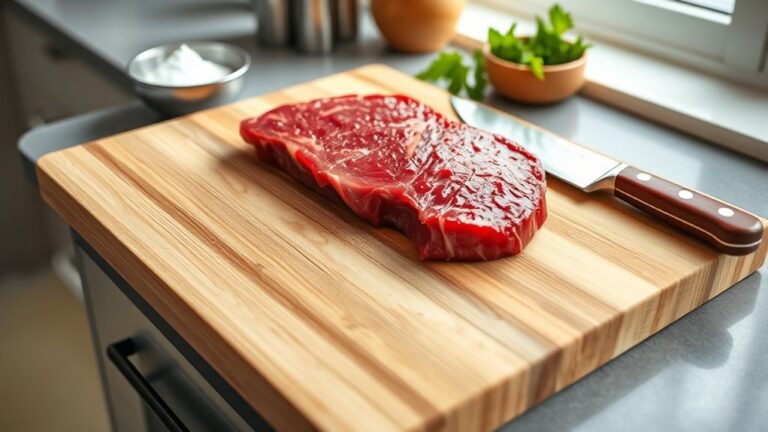
- Choose stainless steel when searing meat or deglazing pans, as it handles high heat and develops flavorful fond.
- Cast iron works best for slow-cooking, frying, or baking because it retains heat evenly over time.
- For acidic dishes like tomato sauces, stainless steel or enamel-coated cast iron prevents reactions that nonstick coatings might not tolerate.
How to Care for and Maintain Your Cookware
How do you keep your cookware performing at its best? Start by cleaning it properly after each use. Use warm, soapy water and a soft sponge—avoid abrasive scrubbers that can damage surfaces, especially nonstick coatings.
For cast iron, don’t soak it; instead, wipe it clean and dry thoroughly to prevent rust. Season it regularly by applying a thin layer of oil and heating it gently. With stainless steel, remove stubborn stains by soaking or using a vinegar solution.
Always store your cookware in a dry place to avoid moisture buildup. Avoid sudden temperature changes that can warp pans. By following these simple steps, you’ll extend your cookware’s lifespan and keep your meals tasting great every time you cook.
How to Tell When It’s Time to Replace Your Cookware
Even with the best care, cookware won’t last forever. You’ll need to replace it when it no longer performs well or becomes unsafe. Here’s how to tell when it’s time:
- Scratched or peeling non-stick surface – If your non-stick coating flakes, harmful chemicals could leach into your food.
- Warped or uneven bottoms – Cookware that doesn’t sit flat heats unevenly, affecting your cooking results.
- Rust or corrosion – Signs of rust weaken cookware and can contaminate meals.
- Loose handles or lids – These can cause accidents or spills during cooking.
When you notice any of these issues, it’s smart to invest in new cookware for safety and better performance.
Where to Buy Quality Cookware Without Overspending
While quality cookware often comes with a higher price tag, you don’t have to break the bank to find durable, reliable pieces. Start by checking out outlet stores or clearance sections at major retailers—they often stock high-quality cookware at discounted prices. Online marketplaces like Amazon or Overstock offer competitive deals, but read reviews carefully to avoid low-quality imitations.
Thrift stores and estate sales can also surprise you with hidden gems if you’re patient. Don’t overlook local kitchen supply stores, which sometimes run sales or offer bundle discounts. Ultimately, consider investing in a few key pieces rather than a full set to spread out costs.
Frequently Asked Questions
Can Cookware Be Recycled or Is It Harmful to the Environment?
You can recycle many types of cookware, especially metal ones, but some non-stick or coated pans might harm the environment if not disposed of properly.
Always check local recycling rules to handle them responsibly and reduce waste.
Are There Any Health Risks Associated With Certain Cookware Coatings?
Back in the days of knights, you’d worry less about Teflon fumes, but today, you should avoid overheating non-stick coatings. They can release toxic fumes, so you’re better off using safer, ceramic or stainless steel options.
How Does Cookware Affect Energy Consumption During Cooking?
You’ll use less energy with cookware that heats quickly and retains heat well, like cast iron or stainless steel.
Poor conductors force your stove to work harder, so choosing efficient cookware saves energy and cooking time.
What Are the Best Cookware Options for Induction Cooktops?
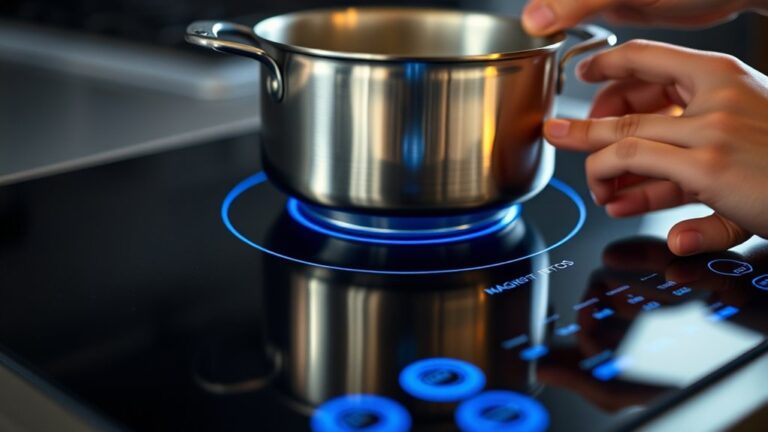
You’ll want magnetic cookware like cast iron, stainless steel with a magnetic base, or specially designed induction-compatible pans. These materials heat efficiently on induction cooktops, saving energy and improving cooking performance. Avoid non-magnetic options.
Can You Use Cookware Safely in the Oven or on a Grill?
You absolutely can use cookware safely in the oven or on a grill—as long as it’s designed for it! Otherwise, you might as well be trying to tame a dragon.
Always check material and temperature limits first.
Conclusion
So, you’ve conquered the cookware jungle—no more burnt dinners or sad salads. Remember, choosing the right pot or pan isn’t just adulting; it’s kitchen wizardry.
Skip the rusty relics and embrace shiny, trusty tools that make your meals sing. Care for them like your favorite sneakers, and they’ll stick around longer than your last diet.
Now, go wield that spatula like a culinary superhero and make your kitchen your kingdom! The right cookware is essential for delicious cooking, and investing in quality pots and pans will transform your kitchen experience.