
How to Cook Ribeye Steak in Oven
To cook a perfect ribeye steak in the oven, start by seasoning the steak generously with salt, pepper, and garlic. Proper seasoning is essential to enhance the rich flavor of the ribeye steak.
This method combines oven cooking with stovetop searing to achieve a delicious crust and juicy interior.
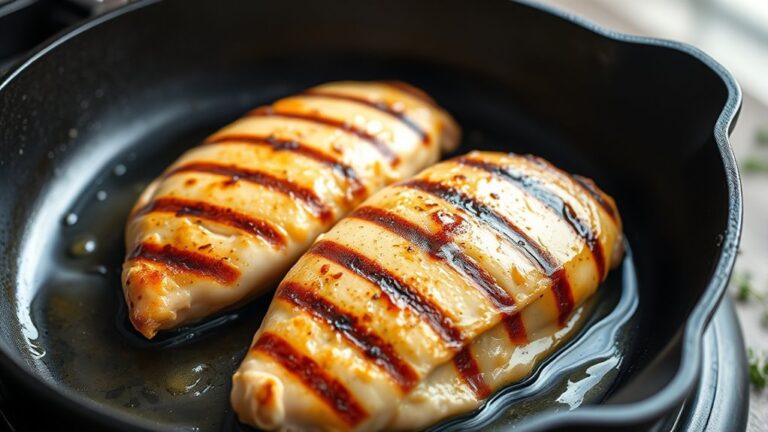
Begin by searing the steak in a hot cast-iron skillet for 2-3 minutes per side. This step develops a flavorful crust that locks in the juices.
After searing, transfer the steak to a preheated 400°F oven to finish cooking to your preferred doneness.
Use a meat thermometer to check the internal temperature for accuracy.
Once done, let the steak rest for 5-10 minutes before serving. Resting allows the juices to redistribute, ensuring a tender, juicy steak.
With the right tools and timing, you’ll master this delicious oven-cooked ribeye method.
Key Takeaways
- Season a 1 to 1.5-inch ribeye steak with salt, pepper, garlic, and paprika, then let it rest at room temperature for 30 minutes.
- Preheat oven to 400°F (204°C) and heat a cast-iron skillet with high-smoke-point oil until smoking hot for searing.
- Sear the steak 2-3 minutes per side until a golden crust forms, then transfer to the oven for desired doneness.
- Cook in the oven 4-12 minutes depending on thickness and preferred doneness, using a thermometer to check internal temperature.
- Rest the steak tented with foil for 5-10 minutes to allow juices to redistribute before serving.
How To Choose The Best Ribeye Steak For Oven Cooking

When selecting a ribeye steak for oven cooking, focus on the marbling—the thin streaks of fat running through the meat—as it guarantees tenderness and flavor. You’ll want a steak with even marbling throughout because that fat melts during cooking, keeping the meat juicy and rich. Look for a bright red color and firm texture; avoid any meat that looks dull or feels slimy.
Thickness matters, too—choose steaks about 1 to 1.5 inches thick to ensure even cooking without drying out. If possible, pick a ribeye that’s been dry-aged, as it offers enhanced flavor and tenderness.
Essential Tools For Cooking Ribeye Steak In The Oven

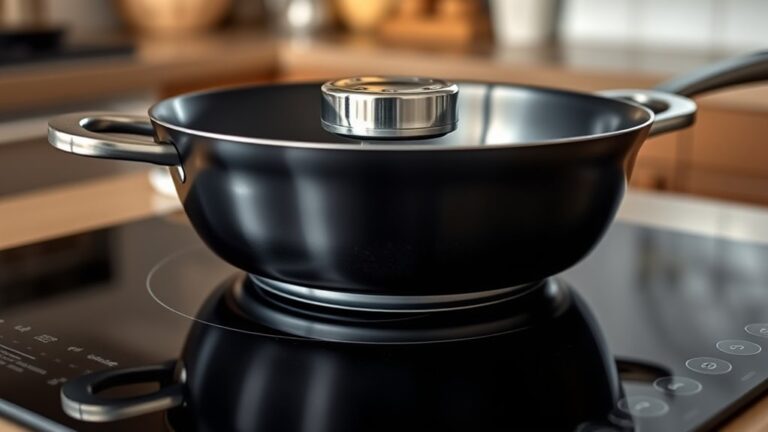
Choosing a high-quality ribeye sets you up for success, but having the right tools makes the cooking process smoother and more effective. First, grab a reliable oven-safe skillet, like cast iron, to sear your steak evenly and retain heat. Use a pair of sturdy tongs to flip the steak without piercing it, preserving its juices.
A meat thermometer is essential to check doneness precisely, so you don’t overcook or undercook your ribeye. You’ll also want a baking sheet or roasting pan to finish the steak in the oven. Ultimately, have aluminum foil ready to tent the steak during resting, allowing juices to redistribute for maximum tenderness.
These tools ensure you cook your ribeye perfectly every time.
How To Season Ribeye Steak For Maximum Flavor
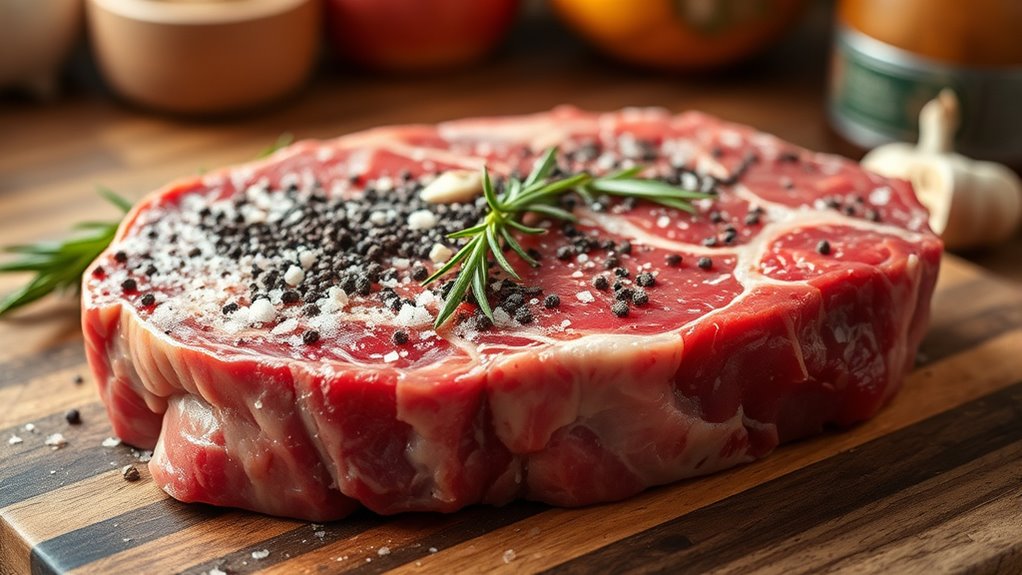
Although the quality of your ribeye matters, seasoning it properly releases its full flavor potential. You want to enhance the natural taste without overpowering it. Start by patting the steak dry to help the seasoning stick better.
Then, use a simple yet effective blend that complements the rich beef:
- Generous kosher salt for deep seasoning
- Freshly ground black pepper for a subtle kick
- Garlic powder or minced fresh garlic to add savory notes
- A light sprinkle of smoked paprika for warmth and color
Apply the seasoning evenly on both sides and gently press it in. Let the steak rest at room temperature for about 30 minutes before cooking; this allows the flavors to penetrate the meat, ensuring every bite is delicious.
How To Preheat Your Oven For The Perfect Ribeye
To achieve a perfectly cooked ribeye, you need to preheat your oven to the right temperature before placing the steak inside. Set your oven to 400°F (204°C), which is ideal for cooking ribeye evenly without drying it out. Avoid lower temperatures, as they can lead to longer cooking times and a less tender steak.
Allow your oven to reach the set temperature fully before you put the steak in—use an oven thermometer if necessary to guarantee accuracy. A properly preheated oven sears the steak’s surface quickly, locking in juices and flavor. This step is essential for consistent cooking results, so don’t rush it.
Once your oven signals it’s ready, you’re all set to proceed with cooking your ribeye.
How To Sear Ribeye Steak Perfectly Before Oven Cooking
Once your oven is fully preheated, it’s time to give your ribeye a perfect sear. Start by patting the steak dry with paper towels to remove excess moisture—this helps develop a crust. Heat a heavy skillet over high heat until it’s smoking hot.
Add a small amount of high-smoke-point oil, like canola or avocado oil, to the pan. Place the ribeye in the skillet without moving it for about 2-3 minutes to form a golden-brown crust. Flip and sear the other side for another 2 minutes.
Remember these tips for a flawless sear:
- Use a cast-iron or stainless-steel pan for even heat distribution
- Avoid overcrowding the pan to prevent steaming
- Season the steak just before searing to enhance flavor
- Let the steak rest briefly before transferring to the oven
What Oven Temperature Works Best For Ribeye Steak
You’ll want to set your oven between 375°F and 450°F for the best results. This temperature range helps cook the ribeye evenly while preserving its juicy texture. Choosing the right heat level directly affects how tender and flavorful your steak turns out.
Ideal Temperature Range
Although oven temperatures can vary, the ideal range for cooking a ribeye steak typically falls between 375°F and 450°F. This range allows you to achieve a well-cooked interior while developing a flavorful crust. Too low, and your steak will take too long to cook; too high, and you risk burning the exterior before the inside reaches your desired doneness.
Keep these points in mind when choosing your oven temperature:
- 375°F offers gentle cooking, ideal for thicker cuts.
- 425°F balances crust development and even cooking.
- 450°F is perfect for a quick, crispy sear inside the oven.
- Adjust based on steak thickness and your preferred cooking time.
Selecting the right temperature within this range guarantees consistent, tasty results.
Temperature Impact On Texture
Choosing the right oven temperature doesn’t just affect cooking time—it also shapes the texture of your ribeye steak. If you cook it at a high temperature, around 450°F (232°C), you’ll get a beautifully seared crust with a juicy, tender interior. This quick, intense heat locks in moisture while creating a flavorful exterior.
On the other hand, cooking at a lower temperature, like 275°F (135°C), results in a more evenly cooked steak with a softer texture but less crust. For the best balance, start with a high sear on the stovetop, then finish in the oven at 400°F (204°C). This method gives you a tender, juicy steak with a perfect crust—exactly what you want from a ribeye.
How Long To Cook Ribeye Steak In The Oven For Different Doneness
When cooking ribeye steak in the oven, knowing the exact time needed for each level of doneness guarantees you get the perfect result every time. The cooking duration varies based on steak thickness and your preferred doneness.
Here’s a quick guide for a 1-inch thick ribeye at 400°F (204°C):
- Rare: 4-5 minutes
- Medium Rare: 6-7 minutes
- Medium: 8-9 minutes
- Well Done: 10-12 minutes
How To Check Ribeye Doneness Without Cutting
If you want to enjoy a perfectly cooked ribeye without cutting into it and losing precious juices, you need reliable ways to check doneness without slicing. One popular method is the finger test, which compares the firmness of your steak to different parts of your hand when you touch your thumb to each finger. For example, touching your thumb to your index finger mimics rare, while to your pinky feels like well-done.
Another accurate approach is using an instant-read meat thermometer. Insert it into the thickest part of the steak without touching bone or fat—135°F indicates medium-rare, 145°F for medium, and 160°F for well-done. These methods help you avoid cutting and keep your ribeye juicy and tender.
Why You Should Always Rest Your Ribeye Steak After Cooking
Although it’s tempting to dig right in, you should always let your ribeye steak rest after cooking to lock in its juices and flavor. Resting allows the meat fibers to relax, preventing all the precious juices from spilling out the moment you cut into it.
Always let your ribeye rest after cooking to keep its juices locked in and maximize flavor.
This simple step guarantees a juicy, tender bite every time.
Here’s why resting matters:
- Juice Redistribution: Liquids evenly spread throughout the steak.
- Enhanced Tenderness: Fibers absorb juices, improving texture.
- Improved Flavor: Concentrated juices boost taste.
- Easier Slicing: Meat firms up slightly, making cleaner cuts.
Give your steak 5–10 minutes on a warm plate, loosely tented with foil, and you’ll enjoy a perfectly juicy ribeye worth savoring.
Best Serving Tips And Pairings For Oven-Cooked Ribeye Steak
You’ll want to pair your oven-cooked ribeye with side dishes that complement its rich flavor, like roasted vegetables or creamy mashed potatoes. Choosing the right beverage, such as a full-bodied red wine or a bold craft beer, can elevate your meal even more.
Let’s explore some of the best options to make your steak dinner unforgettable.
Ideal Side Dishes
When serving oven-cooked ribeye steak, choosing the right side dishes can elevate your meal to a whole new level. You want sides that complement the steak’s rich, juicy flavor without overpowering it. Aim for a balance of textures and tastes—something fresh, something hearty, and something with a bit of crunch.
Here are some ideal side dishes to contemplate:
- Roasted garlic mashed potatoes for creamy comfort
- Grilled asparagus tossed with lemon zest for brightness
- A crisp arugula salad with shaved Parmesan and balsamic glaze
- Sautéed mushrooms with thyme to enhance earthy flavors
These options add variety and keep your plate interesting, making your oven-cooked ribeye dinner memorable every time.
Perfect Beverage Pairings
How do you choose the perfect drink to complement your oven-cooked ribeye steak? You’ll want a beverage that balances the steak’s rich, juicy flavors and enhances your dining experience. Bold red wines, robust beers, or even a well-crafted cocktail can do the trick.
Here’s a quick guide to help you pair perfectly:
| Beverage Type | Why It Works |
|---|---|
| Cabernet Sauvignon | Tannins cut through the fat |
| Malty Amber Ale | Complements the steak’s caramelized crust |
| Classic Old Fashioned | Adds a smoky sweetness |
| Sparkling Water | Cleanses palate between bites |
Try these pairings to elevate your meal and enjoy every bite of your oven-cooked ribeye steak.
Common Mistakes To Avoid When Cooking Ribeye In The Oven
Although cooking ribeye steak in the oven seems straightforward, several common mistakes can easily ruin its flavor and texture. You need to avoid these pitfalls to get that perfect juicy, tender steak every time.
- Skipping the rest: Not letting your steak rest after cooking causes juices to run out, leaving it dry.
- Overcrowding the pan: Crowding reduces heat circulation, leading to uneven cooking.
- Cooking straight from the fridge: Cold steak cooks unevenly; let it reach room temperature first.
- Ignoring seasoning: Under-seasoning or seasoning too late can result in bland steak.
Frequently Asked Questions
Can I Use Frozen Ribeye Steak for Oven Cooking?
You can use frozen ribeye steak for oven cooking, but it’s best to thaw it first for even cooking. Cooking from frozen might lead to uneven doneness and a less tender result.
Pat it dry before cooking.
Is It Better to Marinate or Dry Rub Ribeye Steak?
It’s better to dry rub your ribeye if you want a flavorful crust and quick prep. Marinating adds moisture and tenderizes but can mask the steak’s natural taste.
Choose based on your flavor preference.
How Do I Store Leftover Ribeye Steak Properly?
Seal your steak securely in an airtight container or wrap it tightly in foil to stop spoilage. Store it in the fridge within two hours, and savor it safely within three to four days for best flavor.
Can I Cook Ribeye Steak in a Convection Oven?
Yes, you can cook ribeye steak in a convection oven. It cooks faster and more evenly due to the circulating hot air. Just adjust the temperature slightly lower and keep an eye to avoid overcooking.
What Side Dishes Complement Ribeye Steak Best?
You’ll want to pair ribeye steak with roasted vegetables, garlic mashed potatoes, or a fresh Caesar salad. Grilled asparagus or sautéed mushrooms also complement the rich, juicy flavors perfectly, enhancing your meal’s overall experience.
Conclusion
Cooking ribeye steak in the oven proves that simplicity often leads to the best results. You don’t need fancy gadgets—just quality meat, proper seasoning, and the right technique. By mastering searing and oven timing, you reveal the steak’s full flavor potential.
This method reminds us that patience and attention to detail pay off, both in cooking and in life. Trust the process, and you’ll enjoy a perfectly cooked ribeye every time. With the right oven temperature and timing, cooking ribeye steak in the oven becomes an easy and rewarding experience.