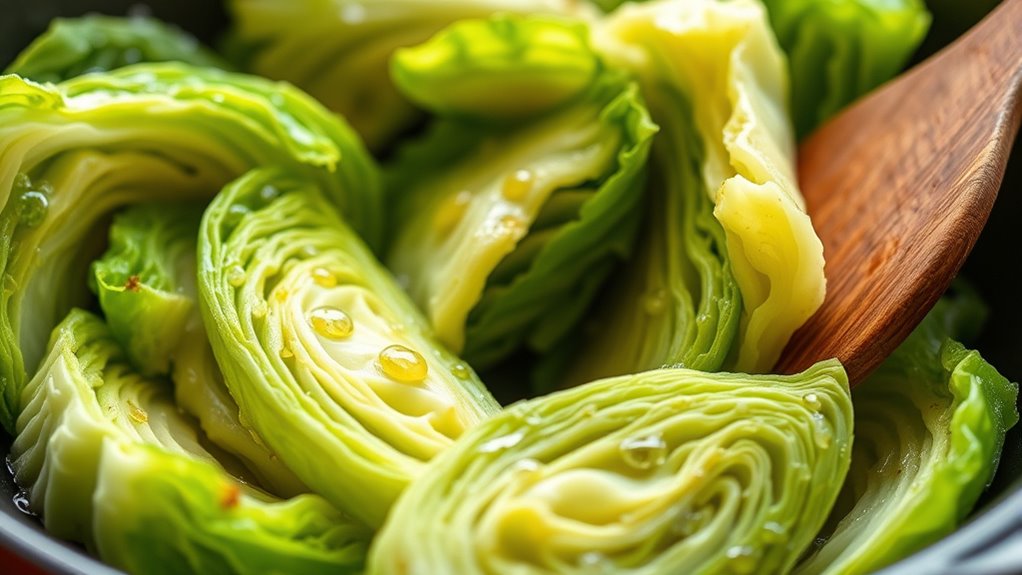
How to Cook Cabbage in a Skillet
Choose a firm green or Savoy cabbage for the best flavor and texture when cooking cabbage in a skillet. Start by removing the outer leaves, rinsing the cabbage thoroughly, and slicing it thinly to ensure even cooking.
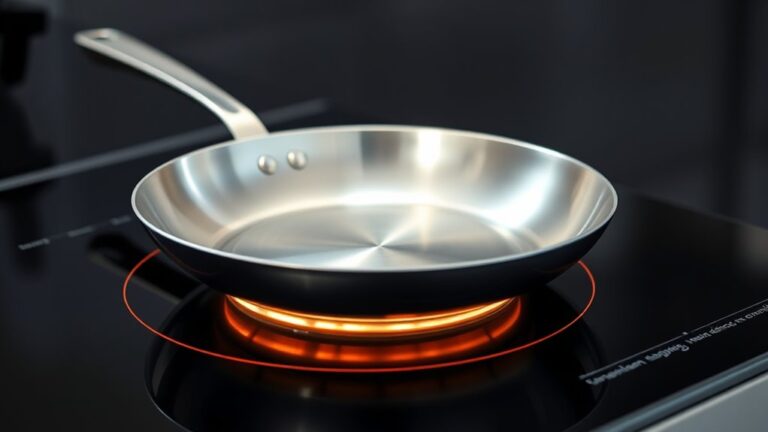
Using a 10-12 inch cast iron or stainless steel skillet works perfectly for this method.
Heat the skillet over medium heat and add butter or olive oil to coat the pan. Add the sliced cabbage in a single layer, making sure not to overcrowd the pan to allow proper caramelization.
Sauté the cabbage for 5-8 minutes until it becomes tender-crisp and slightly caramelized.
Season the cabbage with garlic, salt, and pepper to enhance its natural flavors.
Add a splash of vinegar at the end to brighten the dish with a subtle tang.
Keep reading for tips on flavor boosters, variations, and perfect pairings to elevate your skillet-cooked cabbage.
Key Takeaways
- Choose firm green or Savoy cabbage, remove outer leaves, rinse, dry, and slice into thin, even strips for uniform cooking.
- Use a well-heated cast iron or stainless steel skillet to ensure even heat and avoid overcrowding for better caramelization.
- Sauté cabbage over medium heat without overcrowding, stirring occasionally, cooking 5-8 minutes until tender yet crisp with golden edges.
- Pat cabbage dry, avoid early salting, and use high heat to prevent sogginess by quickly evaporating moisture during cooking.
- Enhance flavor by adding garlic, smoked paprika, salt, pepper, and a splash of apple cider vinegar or lemon juice near the end.
Choose the Best Cabbage for Skillet Cooking
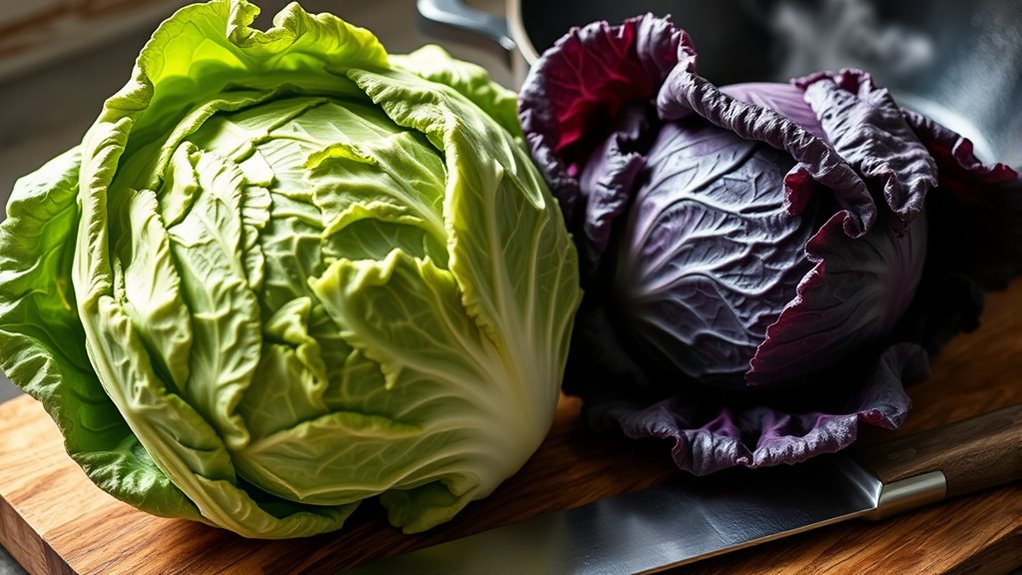
Which type of cabbage suits skillet cooking best? You’ll want to go for green or Savoy cabbage. Green cabbage holds up well under heat, giving you tender leaves with a slight crunch.
Savoy cabbage is softer and more delicate, offering a mild, sweet flavor that caramelizes beautifully in a skillet. Red cabbage works too, but it takes a bit longer to soften and can release a stronger taste. Avoid using Napa cabbage for skillet cooking since it’s better suited for quick sautés or salads due to its thin leaves.
When shopping, pick heads that feel firm and heavy for their size, with vibrant, crisp leaves. Choosing the right cabbage sets the stage for a tasty skillet dish every time.
Prep Cabbage for the Skillet

Before you start cooking, you’ll need to prepare your cabbage properly to guarantee even cooking and the best texture. Begin by removing any tough outer leaves; these can be wilted or dirty. Then, rinse the cabbage under cold water to wash away any dirt or debris.
Pat it dry with a clean towel or let it air dry. Next, cut the cabbage in half through the core, then slice each half into thin, even strips. Aim for uniform pieces so they cook consistently in the skillet.
If you prefer, you can also chop the cabbage into bite-sized chunks. Finally, discard the tough core or save it for another use. With your cabbage prepped this way, you’re ready to move on to cooking.
Pick the Best Skillet for Cooking Cabbage?
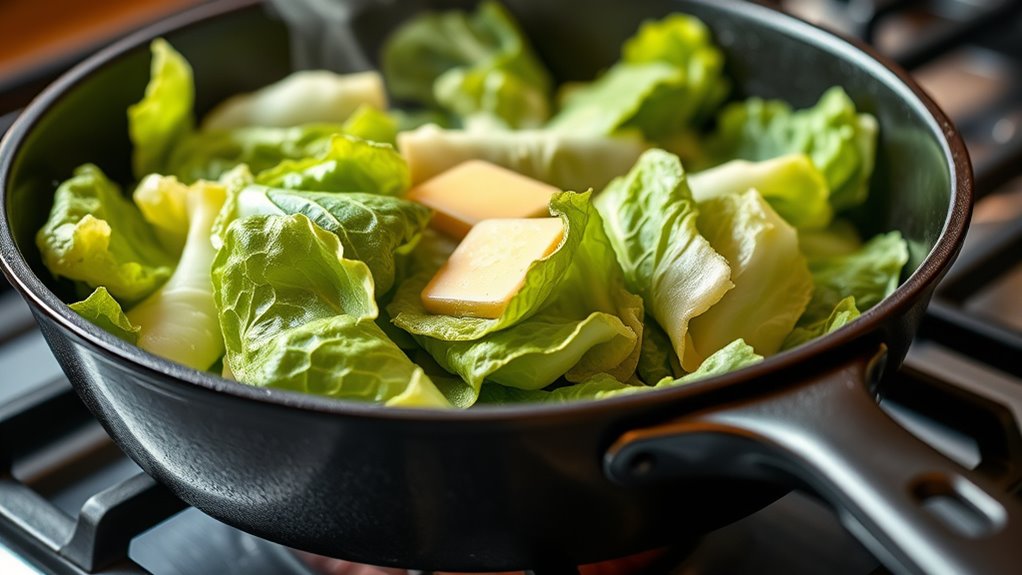
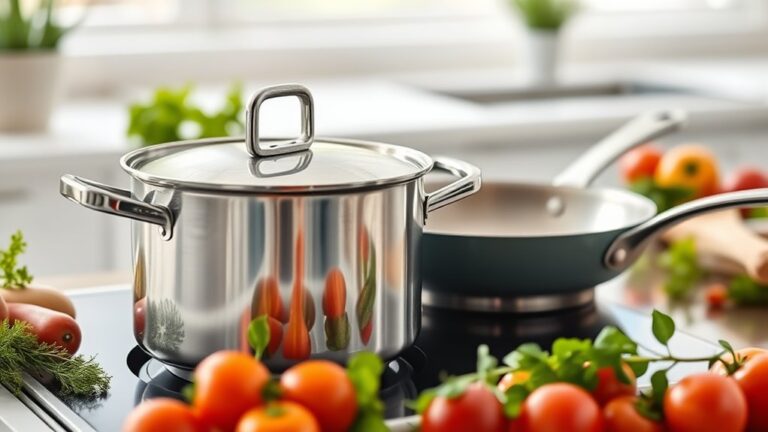
You’ll want to choose a skillet that heats evenly and holds temperature well to cook cabbage perfectly. Cast iron and stainless steel are great options because they distribute heat efficiently.
Also, pick a size that gives your cabbage enough room to cook without overcrowding.
Material Types Explained
Wondering what skillet material works best for cooking cabbage? Cast iron skillets are a solid choice—they retain heat well and deliver even cooking, perfect for sautéing cabbage to a nice, caramelized finish.
If you want something lighter, nonstick pans are easy to handle and prevent sticking, making your cleanup quick and hassle-free. Stainless steel skillets offer durability and excellent browning, but you’ll need to use enough oil to keep cabbage from sticking.
Avoid using bare aluminum pans, as they can react with cabbage’s acidity and alter its flavor. Ultimately, pick a skillet that fits your cooking style and maintenance preferences, so you can focus on making your cabbage delicious without fuss.
Size and Heat Distribution
Choosing the right skillet size and guaranteeing even heat distribution are essential for cooking cabbage perfectly. You want a skillet large enough to hold the cabbage in a single layer, allowing it to brown evenly without overcrowding. A 10 to 12-inch skillet usually works best for most portions.
If the skillet’s too small, the cabbage will steam rather than sauté, losing that desirable caramelization. Heat distribution matters just as much. Cast iron and heavy stainless steel skillets excel here, spreading heat evenly across the surface and preventing hot spots that could burn some pieces while leaving others undercooked.
Avoid thin, cheap pans that heat unevenly. By choosing a skillet with the right size and good heat distribution, you’ll guarantee your cabbage cooks evenly, developing rich flavor and perfect texture every time.
Key Ingredients for Flavorful Skillet-Cooked Cabbage
To make your skillet-cooked cabbage truly stand out, you’ll want to focus on the right herbs, spices, and fats. Choosing whether to use fresh or cooked aromatics can change the flavor profile dramatically.
Let’s explore how these key ingredients work together to bring out the best in your cabbage.
Essential Herbs And Spices
Although cabbage has a mild flavor on its own, adding the right herbs and spices can transform your skillet-cooked dish into something truly delicious. Start with classic options like garlic and onion powder to build a savory base. Don’t forget freshly ground black pepper for a subtle kick.
If you’re feeling adventurous, try smoked paprika or cumin for warmth and depth. Fresh herbs like thyme, dill, or parsley add brightness and complexity. A pinch of red pepper flakes can introduce a gentle heat that balances cabbage’s natural sweetness.
Choosing The Right Fat
What kind of fat you use can make all the difference in how your skillet-cooked cabbage tastes and feels. Choose fats that complement the cabbage’s mild flavor without overpowering it. Butter offers a rich, creamy taste and browns nicely, adding a slightly nutty flavor.
Olive oil brings a fruity, slightly peppery note and works well if you prefer a lighter option. For a smoky, savory touch, try bacon fat or rendered pork fat—they infuse the cabbage with depth and a satisfying aroma. If you want a neutral base, vegetable or canola oil does the job without altering the flavor.
Whichever fat you pick, heat it just right to prevent burning and guarantee your cabbage cooks evenly, giving you a perfectly tender and flavorful dish.
Fresh Versus Cooked Aromatics
When you add aromatics to your skillet-cooked cabbage, the choice between fresh and cooked ingredients can transform the dish’s flavor profile. Fresh aromatics like garlic and green onions add a bright, sharp punch when stirred in at the end.
Cooked aromatics, sautéed early, mellow and deepen the flavor, infusing the cabbage with rich warmth. Balancing these options depends on the taste you want to highlight.
| Aromatic Type | Flavor Impact | When to Add |
|---|---|---|
| Fresh Garlic | Sharp, pungent | After cooking |
| Cooked Onion | Sweet, mellow | At the start |
| Green Onion | Bright, crisp | End or garnish |
Experiment to find your perfect aromatic blend for skillet cabbage.
Sauté Cabbage to Keep It Tender
Since cabbage can quickly become mushy when overcooked, you’ll want to sauté it just long enough to soften the leaves while keeping a bit of crunch. Start by heating oil or butter in your skillet over medium heat. Add the cabbage in a single layer to guarantee even cooking.
Stir occasionally, allowing the edges to get slightly caramelized for extra flavor. Avoid overcrowding the pan—this helps the cabbage cook evenly without steaming. Keep an eye on the texture; you’re aiming for tender yet crisp leaves.
Season with salt and pepper as it cooks to enhance its natural sweetness. By sautéing carefully, you’ll preserve the cabbage’s vibrant color and satisfying bite, making your dish both delicious and visually appealing.
Ideal Cooking Time for Tender Skillet Cabbage
Although cooking times can vary based on cabbage thickness and heat level, you’ll generally want to sauté your cabbage for about 5 to 8 minutes to achieve tender yet crisp leaves. Start by heating your skillet over medium heat with oil or butter. Add the cabbage and stir occasionally to cook evenly.
Thinner slices will cook closer to the 5-minute mark, while thicker wedges may need up to 8 minutes. Keep an eye on the texture—you want the cabbage to soften without becoming mushy. Testing a small piece as you cook helps you gauge doneness.
Get Sweet, Caramelized Skillet Cabbage
Once your cabbage reaches that tender yet crisp stage, you can take its flavor up a notch by caramelizing it. Heat a bit more oil or butter in your skillet over medium-high heat. Spread the cabbage out in an even layer and let it cook undisturbed for several minutes.
This allows the natural sugars to brown and develop a rich, sweet flavor. Resist the urge to stir too often—patience is key here. After a few minutes, flip or toss the cabbage to caramelize the other side.
Keep an eye on the heat to prevent burning. When you see deep golden edges and a slightly crispy texture, your cabbage is perfectly caramelized and ready to enjoy. This simple step transforms your dish with a delightful, sweet complexity.
Avoid Soggy or Watery Skillet-Cooked Cabbage
To keep your skillet-cooked cabbage from turning soggy or watery, you’ll want to manage moisture carefully throughout the cooking process. First, avoid overcrowding the pan, as this traps steam and softens the cabbage too much. Cook in batches if needed.
Before cooking, pat the cabbage dry with a towel to remove excess water. Use high heat to quickly sear the cabbage, which helps evaporate moisture instead of stewing it. Also, resist adding salt too early; it draws out water and can make the cabbage soggy.
If you notice excess liquid pooling, tilt the skillet to drain it or carefully spoon it out. By controlling moisture at each step, your cabbage will stay crisp and flavorful, avoiding that unwanted watery texture.
Flavor Boosters to Try When Cooking Cabbage
Controlling moisture sets the stage for cabbage that’s crisp and satisfying, but adding the right flavors takes it to the next level. You can start by tossing in a splash of apple cider vinegar or a squeeze of fresh lemon juice to brighten the taste. A pinch of salt and freshly ground black pepper enhances the natural sweetness of cabbage without overpowering it.
Don’t forget to add aromatics like minced garlic or thinly sliced onions early in the cooking process—they release savory depth that complements the cabbage well. For a subtle kick, sprinkle in red pepper flakes or a dash of smoked paprika. These simple boosters make your skillet cabbage pop with flavor while keeping the dish straightforward and delicious.
Easy Skillet Cabbage Variations With Spices and Add-Ins
You can easily switch up your skillet cabbage by experimenting with popular spice combinations like smoked paprika and cumin or garlic and chili flakes. Adding ingredients like crispy bacon, sautéed onions, or fresh herbs can take your dish to the next level.
Try mixing and matching to find your favorite flavor twist.
Popular Spice Combinations
Although cabbage has a mild flavor on its own, adding the right spices can transform it into a deliciously vibrant dish. You can easily customize your skillet cabbage by experimenting with popular spice blends that enhance its natural sweetness and texture.
Try these combinations to give your cabbage a flavorful kick:
- Garlic and smoked paprika for a smoky, savory touch
- Cumin and coriander for a warm, earthy depth
- Caraway seeds and mustard powder for a classic tangy flavor
- Red pepper flakes and black pepper to add heat and spice
- Turmeric and curry powder for a bright, exotic twist
These spice combos are simple but effective, letting you enjoy skillet cabbage in new and exciting ways every time.
Creative Ingredient Add-Ins
Pairing the right spices with cabbage opens the door to experimenting with a variety of add-ins that bring new textures and flavors to your skillet dish. Try tossing in crispy bacon or sausage for a savory boost, or add diced apples and walnuts for a sweet crunch contrast. Onions and garlic deepen the flavor, while a splash of soy sauce or a sprinkle of red pepper flakes adds an exciting kick.
For a fresh touch, stir in chopped herbs like parsley or dill just before serving. If you want to make it heartier, mix in cooked potatoes or rice. These simple additions let you customize your skillet cabbage, turning a basic side into a tasty, satisfying meal that fits your mood and pantry.
What to Serve With Skillet-Cooked Cabbage
When you cook cabbage in a skillet, choosing the right side dishes can elevate your meal. Skillet-cooked cabbage pairs well with a variety of flavors and textures, helping you create a balanced and satisfying plate.
Cooking cabbage in a skillet opens up delicious side dish possibilities for a balanced, flavorful meal.
Consider complementing the cabbage’s tender crunch and savory notes with these options:
- Roasted potatoes for a crispy, hearty side
- Grilled sausages to add smoky, meaty richness
- Garlic butter noodles for a comforting carb base
- Pan-seared chicken breasts to keep it light and protein-packed
- Freshly baked cornbread for a touch of sweetness and crumbly texture
Mix and match these sides depending on your mood and occasion. This way, you turn a simple skillet cabbage dish into a complete, flavorful meal you’ll want to make again.
Storing and Reheating Leftover Skillet Cabbage
If you have leftover skillet-cooked cabbage, storing it properly guarantees it stays fresh and flavorful for your next meal. Let the cabbage cool to room temperature before transferring it to an airtight container. Store it in the refrigerator, where it will keep well for up to 3 to 4 days.
Avoid leaving it out at room temperature for more than two hours to prevent bacteria growth.
When you’re ready to reheat, use a skillet or microwave. For the skillet, warm a little oil over medium heat, then add the cabbage, stirring occasionally until heated through. In the microwave, cover the cabbage loosely and heat in 30-second intervals, stirring in between.
Reheating gently preserves texture and flavor, so your leftover cabbage tastes just as good as fresh.
Frequently Asked Questions
Can I Cook Other Vegetables With Cabbage in the Skillet?
Yes, you can cook other vegetables with cabbage in the skillet. Just add quicker-cooking veggies later and heartier ones earlier to guarantee everything cooks evenly.
Keep stirring and seasoning to blend flavors perfectly.
Is Skillet-Cooked Cabbage Suitable for a Low-Carb Diet?
Yes, skillet-cooked cabbage is great for a low-carb diet since cabbage is low in carbs and high in fiber.
You can enjoy it sautéed with healthy fats, making it a tasty, diet-friendly side or main ingredient.
How Do I Prevent Cabbage From Sticking to the Skillet?
You’ll want to heat enough oil until it shimmers like a calm lake at sunrise, then add cabbage in a single layer. Don’t crowd the pan—this keeps it from sticking and browns it beautifully.
Can I Use Frozen Cabbage for Skillet Cooking?
Yes, you can use frozen cabbage, but make sure to thaw and drain it well first. This prevents excess moisture, helping you avoid soggy cabbage and sticking while cooking it in your skillet.
What Are the Health Benefits of Eating Skillet-Cooked Cabbage?
You’ll boost your fiber intake, support digestion, and get antioxidants that fight inflammation.
Skillet-cooked cabbage retains vitamins C and K, helping your immune system and bones stay strong while adding a tasty, nutritious side to any meal.
Conclusion
Cooking cabbage in a skillet is like tending a small garden—each step nurtures its flavor and texture. You choose the freshest leaves, prepare them with care, and let the skillet’s warmth transform them into something vibrant and tender.
With a pinch of spices and a splash of your favorite add-ins, you’ll harvest a dish that’s both simple and satisfying. So, keep experimenting, and watch your skillet cabbage grow into a delicious masterpiece every time.
Mastering how to cook cabbage in a skillet allows you to enjoy a quick, flavorful, and nutritious meal. With each attempt, your skillet cabbage will become more delicious and rewarding to make. Embrace the process and savor the taste!