How to Dispose of Plastic Cutting Boards as Recyclable Waste
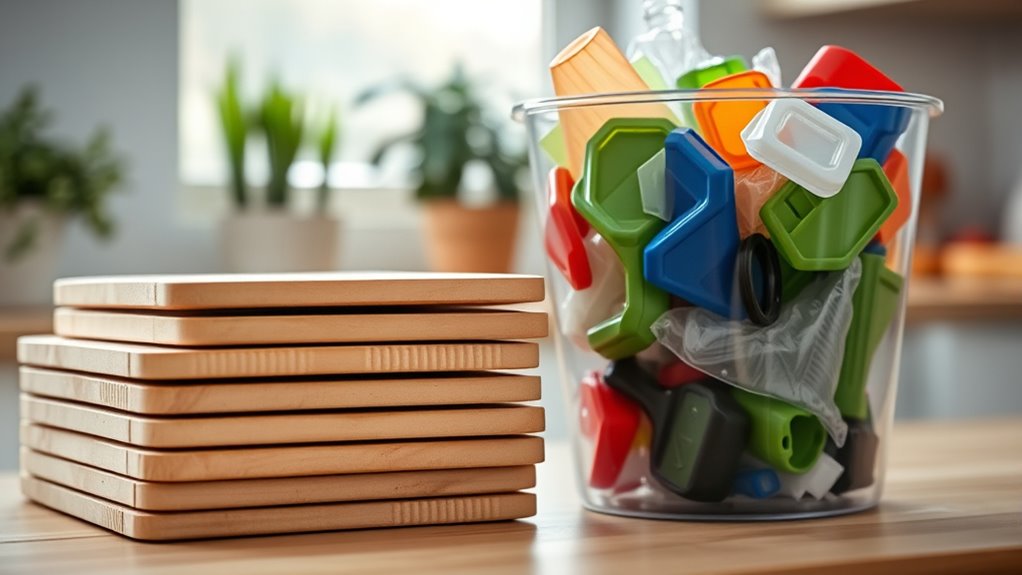
To dispose of plastic cutting boards as recyclable waste, start by identifying recycling symbols such as #2 (HDPE) or #5 (PP) on the board. These numbers indicate the type of plastic and help confirm if the cutting board is recyclable.
Proper disposal of plastic cutting boards supports sustainable practices and reduces landfill waste.
Next, thoroughly clean and sanitize your cutting board, ensuring all food residue and contaminants are removed. This step is crucial because recycling centers require clean materials to process effectively.
After cleaning, find local recycling centers or mail-in programs that accept these plastics. Always verify their specific guidelines before dropping off your cutting board.
If recycling options are unavailable in your area, consider repurposing the board for other uses or donating it to reduce waste.
Keep going—there’s more on eco-friendly choices and disposal tips that can help reduce waste.
Key Takeaways
- Check the cutting board for recycling symbols #2 (HDPE) or #5 (PP) to confirm recyclability before disposal.
- Thoroughly clean and sanitize cutting boards to remove food residue, grease, and bacteria before recycling.
- Use online tools or local municipal resources to find recycling centers or drop-off locations accepting plastic cutting boards.
- Contact recycling centers in advance to verify if they accept plastic cutting boards and understand their preparation requirements.
- If recycling is unavailable, consider repurposing or donating the cutting board to reduce environmental impact.
How To Identify If Your Plastic Cutting Board Is Recyclable

Although many plastic cutting boards look similar, not all of them are recyclable. To figure out if yours is, first check for a recycling symbol, usually found on the back or bottom. This symbol has a number inside it, indicating the type of plastic.
Cutting boards made from #2 (HDPE) and #5 (PP) plastics are commonly accepted by recycling programs. If you don’t see a number or symbol, it’s safer to assume it isn’t recyclable. Also, consider the board’s condition—heavily worn or deeply scored boards might not be accepted.
If you’re unsure, contact your local recycling facility for guidance. By identifying the plastic type and condition, you’ll know whether your cutting board can enter the recycling stream or needs an alternative disposal method.
Cleaning And Preparing Plastic Cutting Boards For Recycling
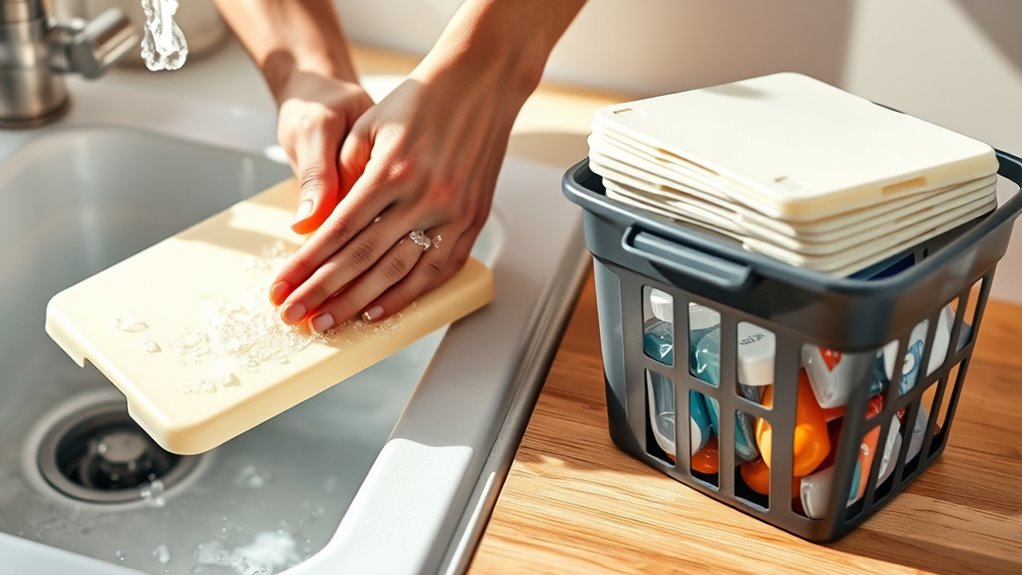
Before recycling your plastic cutting board, you’ll need to clean it thoroughly to remove food residue and bacteria. Follow these steps to prepare it properly:
- Rinse the board under hot water to clear loose debris.
- Scrub it with dish soap and a sponge or brush to eliminate grease and stains.
- Sanitize by soaking the board in a mixture of one tablespoon of bleach per gallon of water for a few minutes.
- Rinse again with clean water and let it dry completely to prevent mold growth.
Cleaning ensures your plastic cutting board won’t contaminate other recyclables. Once it’s dry and spotless, you’re ready to recycle it responsibly.
Where To Find Local Recycling Centers For Cutting Boards
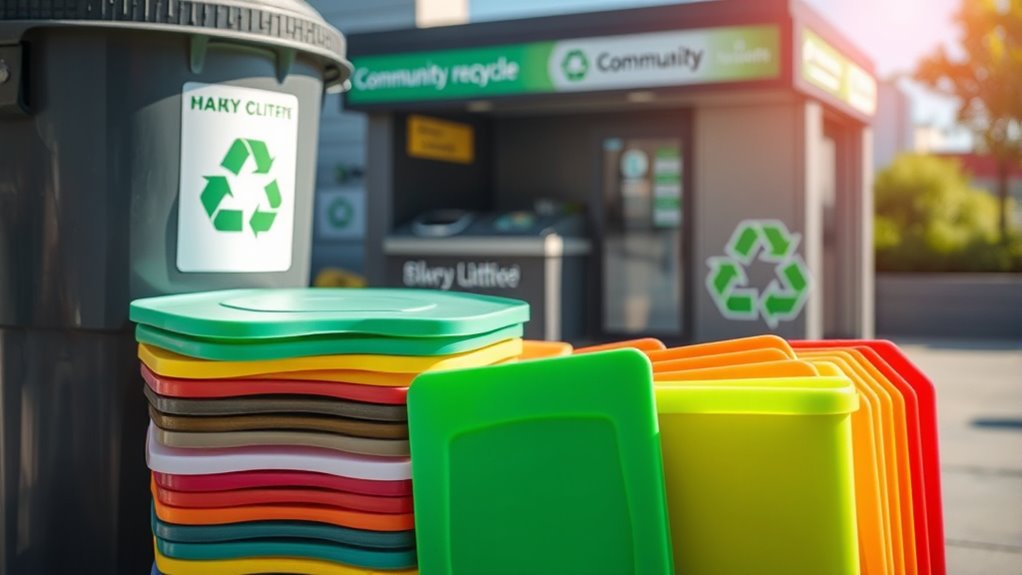
Wondering where to take your plastic cutting board once it’s clean and ready for recycling? Start by checking your city or town’s official website for a list of local recycling centers. Many community centers accept hard plastics, including cutting boards.
You can also use online search tools like Earth911 or RecycleNation by entering your zip code to find nearby facilities that handle plastic kitchenware. Don’t forget to call the centers ahead to confirm they accept cutting boards, as recycling rules vary by location. Some hardware stores or big-box retailers offer recycling drop-off points for specific plastic items.
How To Use Mail-In Programs To Recycle Plastic Kitchenware
You can find mail-in programs online that accept plastic kitchenware like cutting boards for recycling. Before sending your items, make sure to clean and dry them thoroughly to avoid contamination.
Pack everything securely to guarantee it arrives in good condition.
Finding Mail-In Programs
Several mail-in programs specialize in recycling plastic kitchenware, making it easier for you to dispose of old cutting boards responsibly. To find the right program for your needs, follow these steps:
- Search online for “plastic kitchenware mail-in recycling” along with your location to find local options.
- Check websites of major recycling organizations or companies that focus on plastics.
- Visit eco-friendly forums and social media groups where members share info about recycling programs.
- Contact your city’s waste management or environmental services for recommendations.
Preparing Items For Shipping
After locating a suitable mail-in program for recycling your plastic cutting boards, the next step is to prepare your items properly for shipping. First, clean your cutting boards thoroughly to remove any food residue or stains. Dry them completely to prevent mold during transit.
Check the program’s guidelines for size or packaging requirements—some may ask you to cut larger boards into smaller pieces. Use a sturdy box or padded envelope to protect your items, and seal it securely with tape. Include any necessary forms or labels provided by the program.
Finally, drop off your package at the designated shipping carrier or schedule a pickup if available. Proper preparation guarantees your plastic cutting boards reach the recycling facility safely and can be processed efficiently.
What To Do When Your Cutting Board Can’t Be Recycled Nearby
If your cutting board can’t be recycled nearby, look for alternative disposal options like donation or repurposing. Check with local recycling centers or waste management services to see if they accept plastic kitchenware.
You might find a community program or special drop-off event that can help.
Alternative Disposal Options
When you can’t find a nearby facility that recycles plastic cutting boards, you still have practical options to prevent them from ending up in a landfill.
Here are some alternative disposal methods you can try:
- Repurpose: Turn old cutting boards into craft projects, plant trays, or drawer liners.
- Donate: Offer them to local art schools or community centers that might use them for projects.
- Upcycle: Cut them into smaller pieces for use as coasters or trivets.
- Waste-to-Energy: Check if local waste-to-energy programs accept plastic cutting boards for incineration with energy recovery.
These approaches help extend your cutting board’s life or guarantee proper disposal when recycling isn’t an option.
Local Recycling Resources
Wondering where to take your plastic cutting board if local curbside recycling won’t accept it? Check for nearby specialized recycling centers or drop-off locations that handle hard plastics. Many communities have designated facilities or events focused on recycling items not accepted in regular bins.
You can search online or contact your local waste management office for details. Some stores or manufacturers offer take-back programs for plastic products, so it’s worth asking. If no options exist nearby, consider mailing your cutting board to companies that recycle plastic waste into new products.
Staying proactive helps keep plastic out of landfills and supports sustainable waste management, even when local options are limited. Always clean your cutting board before recycling to avoid contamination.
Creative Ways To Repurpose Old Plastic Cutting Boards At Home
Although old plastic cutting boards may no longer serve their original purpose safely, you can easily transform them into practical and creative items around your home. Instead of tossing them out, try these ideas:
Old plastic cutting boards can be creatively repurposed into useful household items instead of being discarded.
- Coasters or Trivets: Cut your cutting board into smaller squares to protect surfaces from hot pots or drinks.
- Crafting Stencils: Use a sharp knife to design shapes or letters for your DIY projects.
- Plant Drip Trays: Place them under pots to catch excess water, keeping shelves and floors dry.
- Drawer Organizers: Cut and arrange pieces to create compartments for utensils or tools, giving your drawers a neat look.
These simple repurposing methods help reduce waste and add functional charm to your home.
How To Dispose Of Plastic Cutting Boards Responsibly Without Recycling
Since many plastic cutting boards aren’t accepted in regular recycling programs, you’ll need to find responsible ways to dispose of them without recycling. You can donate usable boards, repurpose them as craft materials, or safely discard them to minimize environmental harm.
Below is a quick guide to help you decide:
| Disposal Method | Description |
|---|---|
| Donate | Give to shelters or community centers |
| Repurpose | Use as paint palettes or garden markers |
| Trash Disposal | Wrap securely before disposing in landfill |
| Hazardous Waste Site | Check if accepted for safe disposal |
| Manufacturer Return | Some brands offer take-back programs |
Choosing the right option helps reduce waste and keeps your community cleaner.
Why Some Recycling Centers Don’t Take Plastic Cutting Boards
You might find that some recycling centers won’t accept plastic cutting boards because their material composition can be tricky to process. Cutting boards often carry food residue and bacteria, raising contamination and safety concerns.
Knowing these challenges helps you understand why recycling options are limited.
Material Composition Challenges
When you try to recycle a plastic cutting board, you might find that many centers won’t accept it due to the board’s complex material makeup. These boards often contain different types of plastics and additives that make sorting and processing tough. Here’s why:
- They’re typically made from high-density polyethylene (HDPE) or polypropylene, which require separate recycling streams.
- Some cutting boards include fillers or colorants that contaminate recycling batches.
- Composite layers or textured surfaces complicate shredding and melting.
- Mixing plastics with other materials like rubber feet or metal parts hinders recycling compatibility.
Because of these challenges, many centers opt out of accepting plastic cutting boards, ensuring their machines and recycled products stay uncontaminated and efficient. You’ll need to check local guidelines before trying to recycle them.
Contamination And Safety Concerns
Although plastic cutting boards might seem easy to recycle, many centers won’t accept them due to contamination and safety risks. When you use these boards, they often harbor food residues, bacteria, and oils that are tough to remove completely. Recycling facilities worry that contaminated items can spoil entire batches of recyclable materials, making the process inefficient or unsafe.
Additionally, cutting boards can be bulky and made from mixed plastics, complicating sorting and processing. If you try to recycle a contaminated board, it might end up in the landfill anyway. To avoid issues, thoroughly clean your cutting board before checking with your local facility about their guidelines.
Understanding these concerns helps you dispose of your cutting boards responsibly and keeps recycling systems running smoothly.
How Recycling Plastic Cutting Boards Helps The Environment
Why does recycling plastic cutting boards matter for the environment? When you recycle them, you reduce the plastic waste piling up in landfills and oceans. This simple act helps conserve natural resources and lowers pollution.
Here’s how recycling cutting boards benefits the environment:
- Saves energy by using recycled plastic instead of producing new materials.
- Decreases greenhouse gas emissions linked to plastic manufacturing.
- Prevents harmful chemicals from leaching into soil and water.
- Supports the circular economy by turning old boards into new products.
Tips For Choosing Eco-Friendly Cutting Boards For The Future
Choosing eco-friendly cutting boards can make a big difference in reducing your environmental footprint. When selecting one, look for materials that are durable, biodegradable, and easy to clean. Bamboo and wood are excellent options since they’re renewable and naturally antimicrobial.
Avoid boards made from non-recyclable plastics or those treated with harmful chemicals. Also, consider the board’s lifespan—long-lasting boards reduce waste over time. Here’s a quick comparison to help you choose:
| Material | Eco Benefits |
|---|---|
| Bamboo | Fast-growing, renewable |
| Wood | Biodegradable, durable |
| Recycled Plastic | Reduces landfill waste |
| Silicone | Long-lasting, non-toxic |
| Glass | Recyclable, easy to sanitize |
Picking the right board now helps you minimize waste and supports a healthier planet.
Frequently Asked Questions
Can Plastic Cutting Boards Be Composted Instead of Recycled?
You can’t compost plastic cutting boards because they don’t break down naturally. Instead, recycle them if your local program accepts them.
Otherwise, consider repurposing or disposing of them properly to avoid harming the environment.
Are There Specific Brands That Offer Take-Back Recycling Programs?
You might be surprised—yes, some brands like Epicure and Bambu offer take-back recycling programs for their cutting boards.
Check their websites or contact them directly, so you can recycle your boards responsibly without guesswork.
How Long Does It Take for Recycled Cutting Boards to Be Processed?
It usually takes a few weeks to a couple of months for recycled cutting boards to be processed, depending on the facility’s capacity and the type of plastic.
You’ll get your materials turned into new products efficiently.
Can Damaged Cutting Boards Release Harmful Chemicals During Recycling?
Yes, damaged cutting boards can release harmful chemicals during recycling if they contain certain plastics or coatings.
You should check the material type and local guidelines to avoid contamination and guarantee safe recycling practices.
Is It Safe to Donate Used Plastic Cutting Boards to Charity?
Donating used plastic cutting boards to charity is safe if they’re clean and intact. Like passing a baton, you’re offering a useful tool; just make sure it’s free from cracks or stains to avoid hygiene risks.
Conclusion
Disposing of your plastic cutting boards responsibly is like planting seeds for a greener future. By identifying recyclability, cleaning properly, and finding the right centers or mail-in programs, you play an active role in reducing waste.
Even when recycling isn’t an option, choosing eco-friendly alternatives and thoughtful disposal methods helps protect the planet. Your small actions ripple out, turning everyday decisions into powerful steps toward sustainability.
Keep making conscious choices—they truly matter. Proper disposal of plastic cutting boards as recyclable waste supports environmental conservation and promotes a healthier planet for future generations.