
Are Ceramic Skillets Good
You’ll find ceramic skillets durable, non-toxic, and great for even cooking when you handle them with care. Ceramic skillets are known for their smooth, non-stick surface that heats steadily, making them an excellent choice for preparing delicate foods.
They also reduce the need for excessive oil, promoting healthier cooking.
Just avoid overheating and stick to gentle cleaning to keep their coating intact. Though they may not last as long as traditional metal pans, their health benefits and ease of use make them a solid choice for many kitchens.
Keep exploring to uncover how to get the most from ceramic skillets and when they’re best to use. With proper care, ceramic skillets can enhance your cooking experience while supporting a healthier lifestyle.
Key Takeaways
- Ceramic skillets offer non-toxic, PTFE- and PFOA-free cooking surfaces, promoting healthier meal preparation.
- They provide even heat distribution and retain temperature well for consistent cooking results.
- Ceramic pans handle higher heat better than traditional non-stick, making them versatile for various cooking tasks.
- Durability depends on careful use and maintenance, with potential for coating chipping or peeling over time.
- Proper preheating and gentle cleaning are essential to maintain their non-stick performance and lifespan.
What Are Ceramic Skillets Made Of?
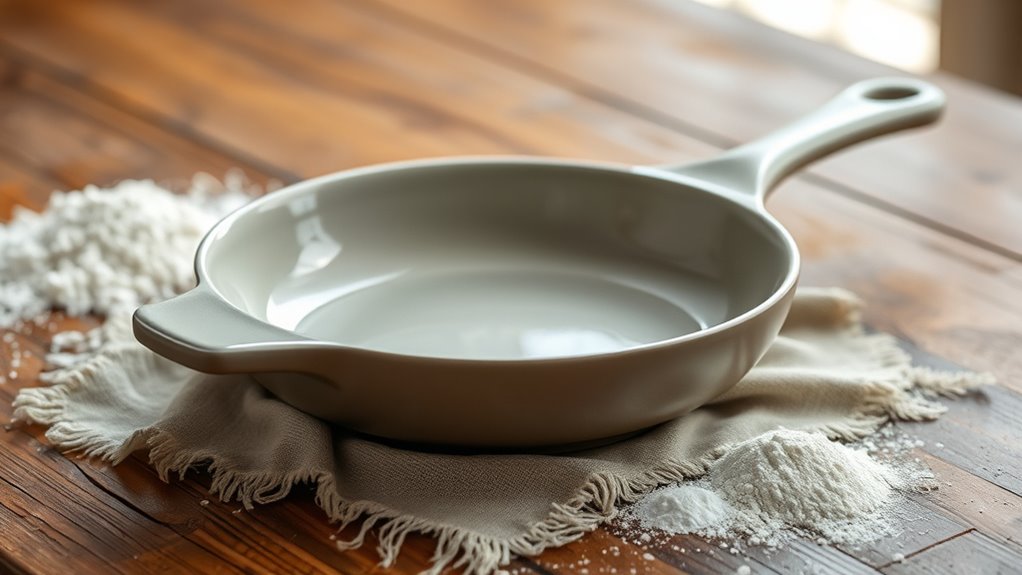
Although ceramic skillets vary by brand, they’re generally made from a metal base coated with a ceramic layer. You’ll often find aluminum or stainless steel as the base due to their excellent heat conduction and durability.
The ceramic coating itself comes from inorganic minerals, mainly silica, which undergoes high-temperature processing to form a hard, non-stick surface. This coating is free from synthetic chemicals like PTFE and PFOA, making it a popular choice if you want a safer cooking option.
When you use ceramic skillets, you’ll appreciate that the ceramic layer is designed to resist scratching and staining, but it’s still important to handle them with care to preserve the coating’s integrity over time.
How Do Ceramic Skillets Cook Food?

When you cook with a ceramic skillet, you benefit from even heat distribution that prevents hot spots. The nonstick surface makes flipping and cleaning much easier, so your food won’t stick or burn.
Plus, you can easily control the cooking temperature to get the perfect result every time.
Heat Distribution Efficiency
Because ceramic skillets heat evenly, you’ll notice your food cooks more consistently without hot spots. This means you won’t have to constantly move your ingredients around, reducing the risk of burning or undercooking certain parts. Ceramic materials excel at distributing heat smoothly across the cooking surface, so the temperature stays stable even when you add cold ingredients.
You can rely on this steady heat flow to sear, sauté, or simmer your dishes with greater control. However, ceramic skillets might take a little longer to heat up compared to metal pans, but once hot, they maintain temperature well. This efficiency helps you cook food thoroughly and evenly, making your meals taste better and saving you time by avoiding uneven cooking.
Nonstick Surface Benefits
Since ceramic skillets feature a naturally smooth surface, they prevent food from sticking without relying on harsh chemicals. This means you can cook with less oil or butter, making your meals healthier. The ceramic coating creates a slick barrier that helps delicate foods like eggs and fish slide right off, so cleanup is easier too.
You won’t have to scrape or soak stubborn residues, saving you time and effort. Plus, the nonstick surface stays effective as long as you avoid metal utensils and abrasive cleaners. When you use a ceramic skillet, you get consistent cooking results because food browns evenly without sticking, letting you focus on flavor and texture.
Cooking Temperature Control
Although ceramic skillets may heat up a bit slower than some metal pans, they distribute heat evenly across their surface, giving you better control over cooking temperatures. This even heat helps prevent hot spots that can burn your food, allowing you to cook more consistently. You’ll find that ceramic skillets excel at maintaining steady temperatures, which is ideal for delicate dishes like eggs or fish.
Plus, their ability to retain heat means you can lower the stove setting once the pan is hot, saving energy and avoiding overheating.
Here’s how ceramic skillets help you control cooking temperature:
- Slow, even heating prevents sudden temperature spikes
- Excellent heat retention keeps food warm longer
- Smooth surface responds well to temperature adjustments
- Reduces risk of burning or sticking
- Suitable for low to medium heat cooking
Health Benefits of Cooking With Ceramic Skillets
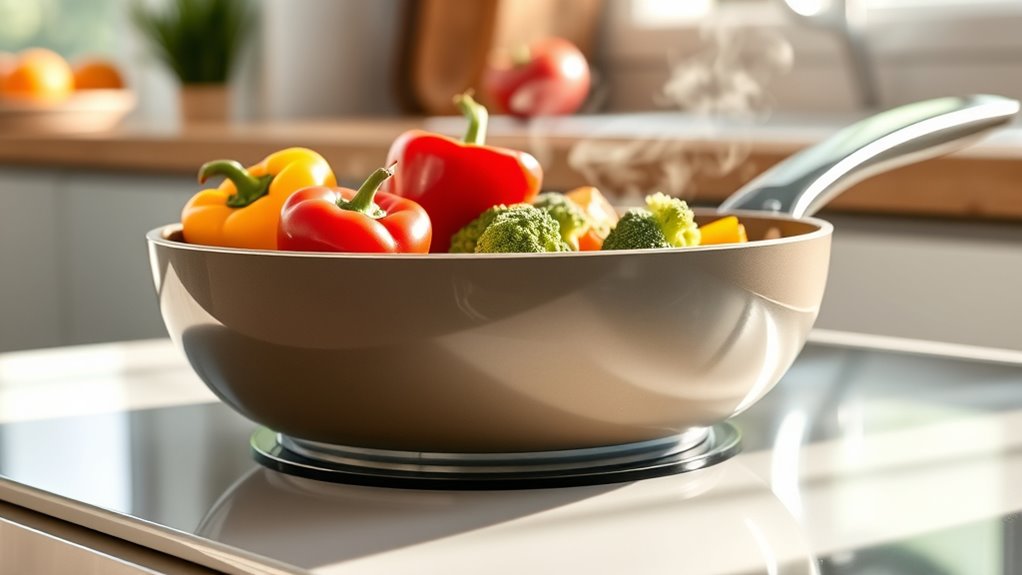
When you cook with ceramic skillets, you get a non-toxic surface that keeps harmful chemicals out of your meals. You’ll also use less oil since these pans have great natural non-stick properties.
That means healthier dishes without sacrificing flavor.
Non-Toxic Cooking Surface
Why should you care about the cooking surface on your skillet? Because it directly affects your health. Ceramic skillets offer a non-toxic cooking surface free from harmful chemicals like PTFE and PFOA, commonly found in traditional non-stick pans.
This means you avoid exposure to toxic fumes and chemical residues that can leach into your food. Plus, ceramic coatings are made from natural materials, making them a safer option for your family.
Here’s why a non-toxic ceramic cooking surface matters:
- No release of toxic fumes at high temperatures
- Free from harmful synthetic chemicals
- Reduced risk of chemical ingestion
- Environmentally friendly materials
- Safer for cooking acidic or alkaline foods
Choosing ceramic means you prioritize health without sacrificing performance.
Reduced Oil Usage Benefits
Since ceramic skillets have excellent non-stick properties, you can cook with considerably less oil or even none at all. This means your meals can be lower in fat and calories, helping you maintain a healthier diet without sacrificing flavor. Using less oil also reduces the intake of unhealthy fats, which supports heart health and lowers cholesterol levels.
Plus, cooking with minimal oil prevents greasy buildup on your food, making it easier to digest. You’ll also spend less time cleaning since food won’t stick to the skillet’s surface. Overall, ceramic skillets encourage healthier cooking habits by allowing you to prepare tasty meals with fewer added fats, helping you feel better and stay healthier every day.
Do Ceramic Skillets Hold Up Over Time?
Although ceramic skillets offer excellent non-stick properties initially, their durability over time can vary depending on how you use and care for them. If you treat them gently and avoid harsh conditions, they can hold up well. However, frequent exposure to high heat or metal utensils can cause the ceramic coating to wear faster.
To help your skillet last, keep these tips in mind:
- Use low to medium heat to prevent coating damage
- Avoid metal spatulas; opt for wooden or silicone tools
- Hand wash with mild detergent instead of a dishwasher
- Store carefully to prevent scratches and chips
- Season the skillet occasionally to maintain the non-stick surface
Common Ceramic Skillet Problems
When you rely on ceramic skillets, you might encounter some common issues that affect their performance and lifespan. These problems can frustrate you, but knowing what to expect helps you make an informed choice.
| Problem | Description |
|---|---|
| Coating Wear | The ceramic layer can chip or peel over time. |
| Heat Sensitivity | High heat may cause cracking or discoloration. |
| Sticking Issues | Food may stick if the skillet isn’t properly heated. |
| Durability Limits | Ceramic skillets can be less durable than metal ones. |
Understanding these issues assures you handle your skillet wisely and set realistic expectations. While ceramic skillets offer many benefits, being aware of their downsides helps you decide if they fit your kitchen needs.
How to Care For and Maintain Ceramic Skillets
To keep your ceramic skillet performing well and lasting longer, you need to follow proper care and maintenance practices. Avoid high heat, as extreme temperatures can damage the ceramic coating. Always use wooden, silicone, or plastic utensils to prevent scratching.
Hand wash your skillet with a soft sponge and mild detergent instead of using a dishwasher. Let it cool before cleaning to avoid thermal shock, which can cause cracks. Store your skillet carefully to prevent chipping.
- Use low to medium heat for cooking
- Avoid metal utensils to protect the surface
- Hand wash gently with non-abrasive sponges
- Let the pan cool before washing
- Store in a safe place, avoiding stacking without protection
Following these tips will help you enjoy your ceramic skillet longer and keep it looking great.
When to Choose a Ceramic Skillet Over Other Pans
If you want a lightweight, non-toxic option that heats evenly and cleans up easily, ceramic skillets are a smart choice. You should pick ceramic when cooking delicate foods like eggs or fish, where sticking is a concern. They’re also great if you prefer using less oil for healthier meals.
Ceramic pans excel at moderate heat cooking and suit everyday kitchen tasks.
Consider this quick guide to help decide:
| Situation | Why Choose Ceramic? |
|---|---|
| Cooking delicate foods | Non-stick surface prevents sticking |
| Health-conscious cooking | Requires less oil, free from chemicals |
| Easy cleanup and lightweight | Saves time and effort after meals |
Choose ceramic skillets when these factors matter most to you.
Comparing Ceramic Skillets to Traditional Non-Stick Pans
Although both ceramic skillets and traditional non-stick pans offer easy food release, they differ markedly in materials, durability, and cooking performance. You’ll find ceramic skillets use a natural, silica-based coating, while traditional non-stick pans often rely on PTFE coatings like Teflon. This affects heat tolerance, longevity, and safety.
Ceramic pans can handle higher temperatures but may wear out faster if not cared for properly. Traditional non-stick pans usually last longer but can release harmful fumes if overheated.
Consider these key differences:
- Ceramic coatings are free from PTFE and PFOA chemicals.
- Traditional non-stick pans typically have better scratch resistance.
- Ceramic skillets allow higher cooking temperatures.
- Both require gentle cleaning to preserve coatings.
- Ceramic pans may lose non-stick properties sooner.
Choose based on your cooking style and maintenance willingness.
Best Ceramic Skillet Brands to Consider
When selecting a ceramic skillet, you want a brand that combines durability, non-stick performance, and safety without breaking the bank. GreenPan stands out with its Thermolon ceramic coating, offering excellent heat distribution and a toxin-free cooking surface.
If you prefer something versatile, Caraway’s ceramic cookware is both stylish and efficient, making cleanup a breeze. For budget-friendly yet reliable options, T-fal’s ceramic skillets deliver solid non-stick capabilities and sturdy construction.
Another brand to contemplate is Scanpan, known for its eco-friendly ceramic coatings and durable build. Each of these brands prioritizes safe, PFOA-free materials, so you can cook confidently. By choosing any of these trusted names, you’ll enjoy ceramic skillet benefits without sacrificing quality or safety.
Frequently Asked Questions
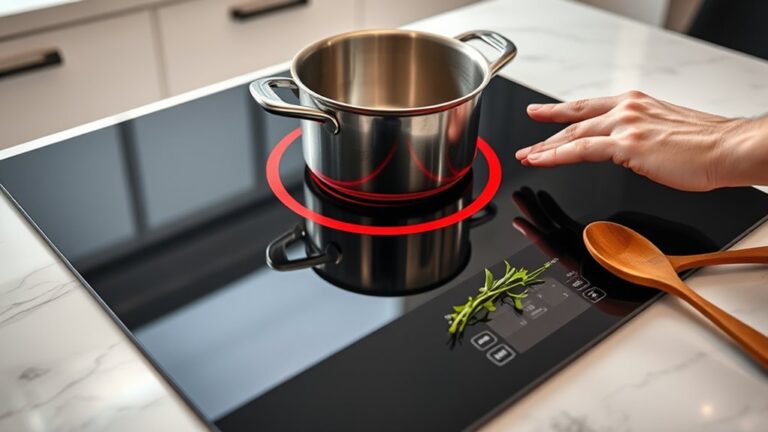
Can Ceramic Skillets Be Used on Induction Cooktops?
You can’t use most ceramic skillets directly on induction cooktops since they lack magnetic properties. However, if your ceramic skillet has a magnetic base or you use an induction interface disk, it’ll work just fine.
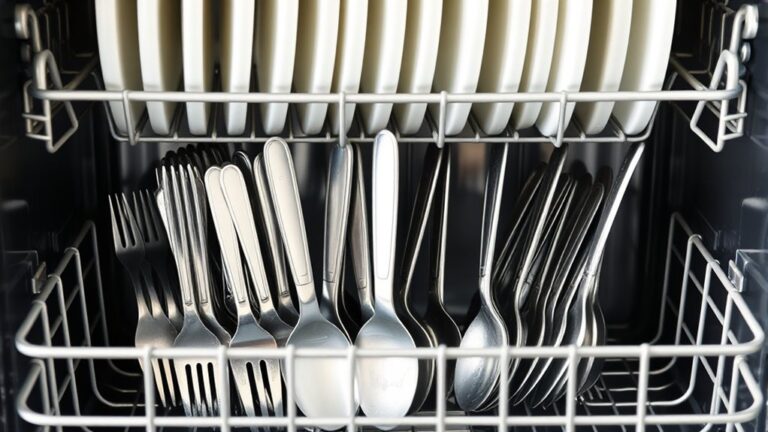
Are Ceramic Skillets Dishwasher Safe?
You shouldn’t put ceramic skillets in the dishwasher because harsh detergents and high heat can damage their coating.
Instead, wash them gently by hand with warm, soapy water to keep them lasting longer and performing well.
Do Ceramic Skillets Require Seasoning Before Use?
No, you don’t need to season ceramic skillets before use. Their non-stick coating works right out of the box. Just wash them gently and avoid high heat to keep that coating lasting longer.
Can You Use Metal Utensils With Ceramic Skillets?
You shouldn’t use metal utensils with ceramic skillets because they can scratch the non-stick surface. Instead, use wooden, silicone, or plastic tools to keep your skillet’s coating intact and extend its lifespan.
This helps maintain the skillet’s performance and prevents damage. Using the right utensils ensures your ceramic cookware lasts longer. Avoiding metal tools is a simple way to protect your investment.
How Do Ceramic Skillets Perform at High Temperatures?
Ceramic skillets handle moderate heat well, but you shouldn’t push them to very high temperatures. Overheating can damage the coating, reducing non-stick performance and lifespan.
Conclusion
When choosing a skillet, ceramic pans offer a great balance of health benefits and cooking performance. They’re a solid choice if you want non-toxic, easy-to-clean cookware that heats evenly. However, just like anything, they have their quirks and require proper care to keep them in tip-top shape.
So, if you’re ready to take the plunge, ceramic skillets can be the ace up your sleeve in the kitchen—just handle them with a little TLC. Overall, ceramic skillets are good for those seeking durable, safe, and efficient cookware that enhances your cooking experience. With the right maintenance, ceramic skillets can be a reliable and valuable addition to your kitchen tools.