What Cookware Is 100 Non Toxic
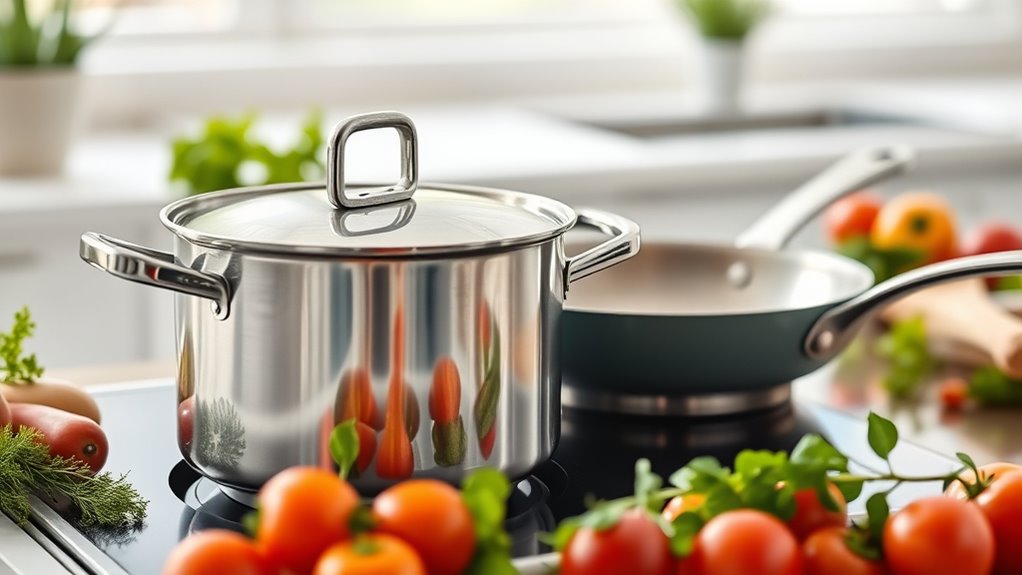
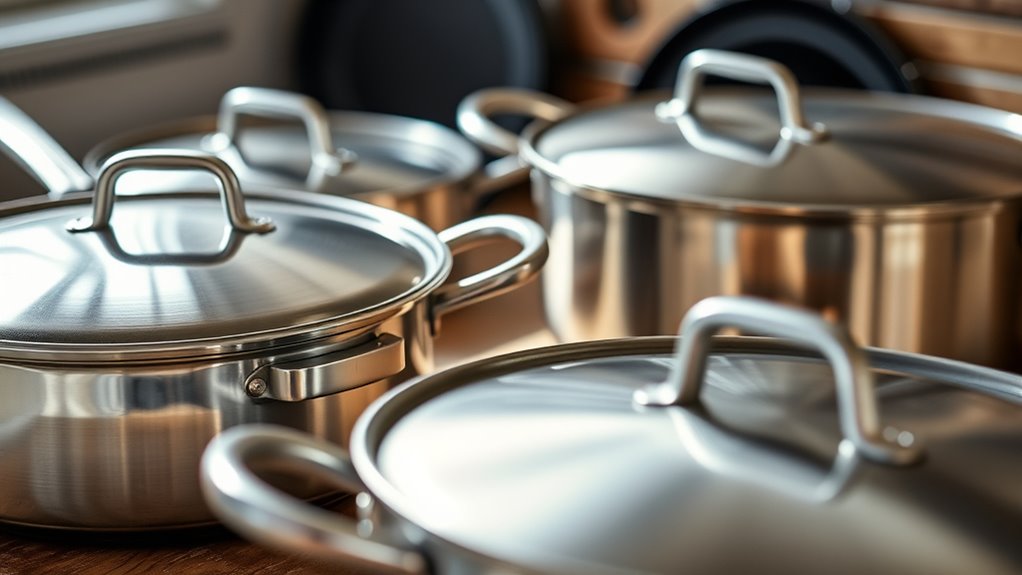
You can trust cookware made from natural materials like stainless steel, cast iron, ceramic, and glass to be 100% non-toxic. These types of cookware are free from harmful chemicals such as PFOA, PTFE, lead, and cadmium, making them safe choices for healthy cooking.
Choosing non-toxic cookware ensures you avoid toxic coatings that can break down and contaminate your food.
These options also offer durability and even heat distribution, which contributes to better cooking results and healthier meals.
If you want to know how to choose the right cookware, maintain it properly, and find the best non-toxic options available, there’s plenty more to explore.
Prioritizing non-toxic cookware is a great step toward safer and more mindful cooking.
Key Takeaways
- 100% non-toxic cookware is made from natural or inert materials like stainless steel, cast iron, ceramic, and glass without harmful chemicals.
- It is free from synthetic coatings containing PFOA, PTFE, lead, cadmium, and other toxic substances that can leach into food.
- Safe cookware naturally develops non-stick surfaces through seasoning or uses chemical-free ceramic coatings for healthy cooking.
- Certified non-toxic cookware ensures no chemical exposure, preserving food flavor, nutrients, and promoting long-term health safety.
- Durable non-toxic cookware supports eco-friendly cooking by reducing waste and avoiding toxic residues harmful to people and the environment.
What Is 100% Non-Toxic Cookware?
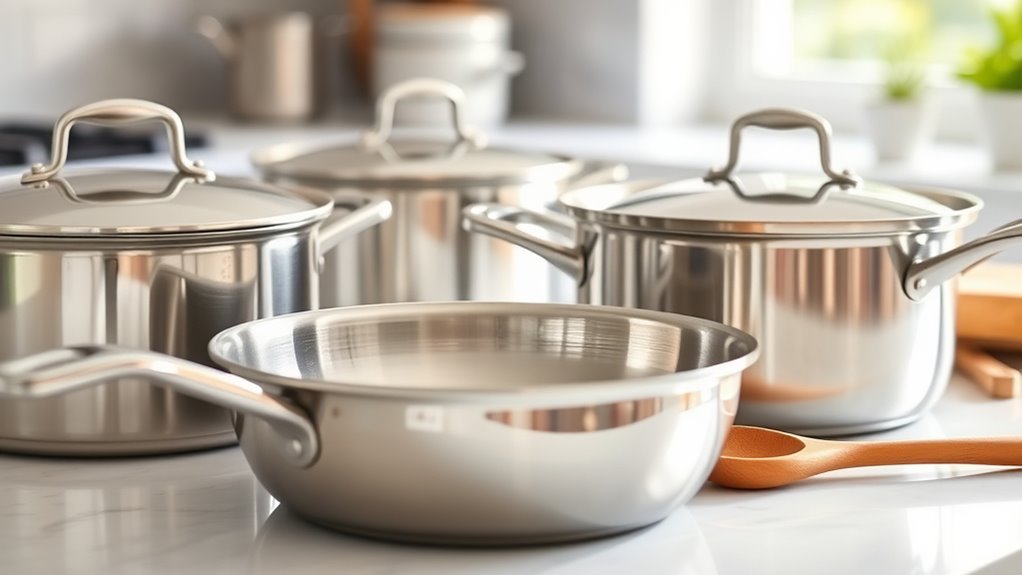
Although many cookware options claim to be safe, 100% non-toxic cookware guarantees materials free from harmful chemicals like PFOA, PTFE, lead, and cadmium. When you choose non-toxic cookware, you’re selecting pots and pans made from natural or inert substances such as stainless steel, cast iron, ceramic, or glass. These materials don’t leach toxins into your food, even under high heat.
You’ll also avoid synthetic coatings that can break down over time and release chemicals. Non-toxic cookware is designed to withstand everyday cooking without compromising your kitchen’s safety. So, when you shop, look for clear labeling that confirms the absence of harmful substances.
This assures your cookware supports both safe cooking and durability without hidden risks.
Why Non-Toxic Cookware Is Important for Your Health
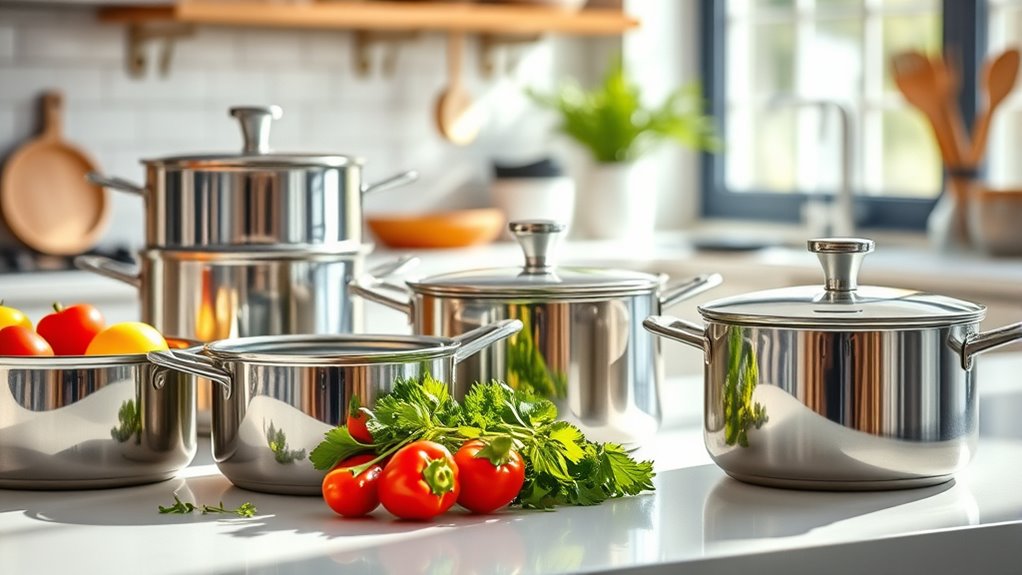
Why should you care about the cookware you use every day? Because it directly affects your health. When you cook with non-toxic cookware, you avoid harmful chemicals that can leach into your food and body.
This means you’re protecting yourself and your loved ones from potential illnesses and long-term health issues.
Here’s why non-toxic cookware matters:
- It prevents exposure to toxic substances that may disrupt hormones or cause diseases.
- It keeps your meals pure, preserving natural flavors and nutrients.
- It reduces the risk of allergies and sensitivities triggered by chemical residues.
- It supports your body’s overall well-being by minimizing harmful intake.
Choosing non-toxic cookware isn’t just smart—it’s essential for your health and peace of mind.
Toxic Cookware Coatings to Avoid
You’ll want to steer clear of cookware with harmful nonstick chemicals that can release toxins when heated. Some coatings also contain heavy metals, which pose serious health risks.
Avoid synthetic coatings that might leach dangerous substances into your food.
Harmful Nonstick Chemicals
When choosing cookware, you should steer clear of nonstick coatings that release harmful chemicals. These toxins can leach into your food, posing serious health risks. Here are four harmful chemicals to avoid:
- Perfluorooctanoic acid (PFOA) – linked to cancer and hormone disruption.
- Polytetrafluoroethylene (PTFE) – can emit toxic fumes when overheated.
- Perfluorooctanesulfonic acid (PFOS) – persistent in the environment and harmful to your liver.
- GenX chemicals – newer compounds with unknown long-term effects but suspected toxicity.
Heavy Metal Risks
Although heavy metals can enhance cookware’s durability and heat conduction, they often come with serious health risks. When these metals leach into your food, they may cause poisoning or long-term health issues. You should avoid cookware containing lead, cadmium, and nickel, as these are common toxic heavy metals found in some coatings or alloys.
Always check for certified non-toxic labels and opt for safer materials like stainless steel or cast iron. Here’s a quick guide to help you identify risky metals:
| Heavy Metal | Health Risk | Common Source |
|---|---|---|
| Lead | Brain damage, kidney issues | Ceramic glazes |
| Cadmium | Kidney damage, cancer risk | Pigments, coatings |
| Nickel | Allergies, skin irritation | Stainless steel alloys |
Synthetic Coating Concerns
Because synthetic coatings often contain harmful chemicals, choosing cookware with these finishes can pose serious health risks. You might unknowingly expose yourself and your family to toxins like PFOA, PFAS, and PTFE, which can leach into your food, especially when overheated or scratched. These substances have been linked to hormone disruption, immune system damage, and even cancer.
To protect your health, avoid cookware with:
- Non-stick coatings containing PFOA or PFAS
- Teflon or similar PTFE-based surfaces prone to flaking
- Ceramic coatings with questionable chemical additives
- Cheap, poorly tested synthetic finishes
Opt for natural, chemical-free alternatives instead. Your wellbeing depends on cooking with safe, non-toxic materials.
How to Spot Safe Cookware Materials
You’ll want to know which metals are truly non-toxic and safe for cooking. It’s important to recognize coatings that won’t release harmful chemicals over time.
Let’s explore how to spot cookware materials that keep your meals healthy.
Identifying Non-Toxic Metals
How can you tell if your cookware is truly safe? Start by focusing on the metals used. Non-toxic metals resist leaching harmful substances into your food, keeping your meals pure and your family healthy.
Here’s how you can spot safe options:
- Stainless Steel – Durable and corrosion-resistant, it won’t react with acidic foods or release toxins.
- Cast Iron – When properly seasoned, it’s naturally non-toxic and adds beneficial iron to your diet.
- Titanium – Lightweight and incredibly stable, it’s perfect for those who want ultra-safe cookware.
- Anodized Aluminum – Treated to prevent leaching, it’s safe as long as the surface isn’t scratched.
Choosing these metals means you’re cooking with peace of mind, avoiding hidden dangers in your kitchen.
Recognizing Safe Coating Types
When selecting cookware, the type of coating plays a crucial role in keeping your meals safe and toxin-free. You want to choose coatings that resist peeling, chipping, and chemical leaching. Ceramic coatings are a great option—they’re free from PTFE, PFOA, and heavy metals, offering a naturally non-stick surface.
Anodized aluminum is another safe choice; it creates a hard, non-reactive layer that won’t release toxins even when scratched. Avoid traditional non-stick coatings that contain PFAS chemicals, as these can release harmful fumes when overheated. Also, steer clear of cookware labeled as “non-stick” without specifying the coating type.
Non-Toxic Ceramic Cookware Options
Although many cookware options claim to be non-toxic, ceramic cookware stands out for its natural, chemical-free composition. When you choose ceramic, you’re investing in something that won’t leach harmful toxins into your food, providing peace of mind every meal.
Ceramic cookware offers a natural, chemical-free option that keeps your meals safe and toxin-free.
Here are four reasons you’ll love non-toxic ceramic cookware:
- Safe Cooking Surface: No PTFE or PFOA, so you avoid toxic fumes.
- Easy to Clean: Non-stick quality without harsh chemicals means less scrubbing.
- Durability: Resistant to scratches and chips, lasting you years.
- Eco-Friendly: Made from natural materials, it reduces environmental impact.
With ceramic cookware, you get safety, convenience, and sustainability all in one. It’s a smart, healthy choice for your kitchen.
Non-Toxic Cast Iron Cookware Benefits
You’ll appreciate that cast iron is a natural, non-toxic material that lasts for generations. Its durability means you won’t need to replace your cookware often, saving money and waste.
Plus, cooking with cast iron can actually boost your meals’ nutritional value by adding a small amount of iron.
Natural Non-Toxic Material
Because cast iron cookware is made from natural materials, it offers a truly non-toxic cooking experience. You won’t worry about harmful chemicals leaching into your food, unlike with some synthetic options.
When you cook with cast iron, you benefit from:
- Pure Iron Composition – No synthetic coatings or additives, just iron.
- Safe Heat Transfer – Evenly heats your food without releasing toxins.
- Chemical-Free Seasoning – Natural oils polymerize to create a safe, non-stick surface.
- Eco-Friendly Production – Made with minimal processing, reducing environmental impact.
Choosing cast iron means you’re embracing cookware that respects your health and the planet, letting you cook confidently without toxic concerns.
Durable And Long-Lasting
When you invest in cast iron cookware, you gain a durable kitchen tool that can last for decades with proper care. Unlike many modern pans that wear out or warp quickly, cast iron stands up to high heat and frequent use without losing its shape or performance. You won’t have to worry about coatings peeling or toxic chemicals leaching into your food over time.
With regular seasoning, your cast iron develops a natural non-stick surface that actually improves the longer you use it. Plus, it’s tough enough to handle metal utensils and abrasive scrubbing when necessary. This longevity not only saves you money but also reduces waste, making cast iron a sustainable, non-toxic choice that serves your kitchen faithfully for years to come.
Health Benefits For Cooking
Beyond its durability, cast iron cookware offers significant health benefits that enhance your cooking experience. When you choose cast iron, you’re not just investing in longevity but also in safer, more nutritious meals. Here’s why it’s a game-changer for your health:
- Iron Boost: Cooking with cast iron naturally increases your food’s iron content, helping combat anemia and support energy levels.
- Chemical-Free Cooking: Unlike non-stick pans, cast iron doesn’t release harmful toxins or chemicals when heated.
- Even Heat Distribution: It cooks food uniformly, reducing the risk of undercooked spots where bacteria can thrive.
- Reduced Need for Oil: Its natural non-stick surface means you can use less oil, promoting heart-healthy meals.
With cast iron, your meals are not only tastier but also healthier.
Pros and Cons of Non-Toxic Stainless Steel Cookware
Although stainless steel is often praised for its durability and resistance to rust, you might wonder if it truly qualifies as non-toxic cookware. The good news is, stainless steel is generally safe for cooking, releasing minimal metals if you avoid overheating or scratching the surface.
However, it can be heavy and may not conduct heat as evenly as other materials.
Here’s a quick look at the pros and cons:
| Pros | Cons |
|---|---|
| Durable and long-lasting | Can be heavy to handle |
| Resistant to rust and corrosion | May cause hot spots |
| Non-reactive with most foods | Requires proper maintenance |
| Easy to clean and dishwasher safe | Can be expensive |
| Does not leach harmful chemicals | Not non-stick without coating |
Glass Cookware: A Non-Toxic Alternative
Since glass cookware doesn’t react with your food or release harmful chemicals, it’s an excellent choice if you want truly non-toxic kitchenware. You’ll love how it keeps your meals pure and free from unwanted toxins.
Plus, glass lets you watch your food cook, making every meal feel more connected and satisfying.
Here’s why glass cookware stands out:
- It’s 100% non-toxic and free from metals or coatings that can leach.
- Glass is non-porous, so it won’t absorb odors or stains.
- It’s dishwasher-safe, making cleanup a breeze.
- It’s versatile, great for baking, roasting, and serving.
Choosing glass means you’re caring for your health and the environment without compromise.
How Non-Toxic Cookware Affects Cooking Performance
When you switch to non-toxic cookware, you might wonder how it impacts your cooking performance. Non-toxic options like stainless steel, cast iron, and ceramic often distribute heat more evenly, helping you cook food thoroughly without hot spots. You’ll notice that some materials retain heat longer, which is great for simmering but requires attention to avoid overcooking.
Unlike non-stick pans with chemical coatings, non-toxic cookware usually demands a bit more oil or butter to prevent sticking, but it enhances your food’s natural flavors. Additionally, these materials tend to be more durable, so you won’t have to replace them frequently.
Caring for Your Non-Toxic Cookware
To keep your non-toxic cookware performing at its best, you need to give it proper care. Treating your cookware with respect not only extends its life but also guarantees your meals stay safe and delicious.
Proper care of your non-toxic cookware ensures longevity and keeps your meals safe and flavorful.
Here’s how to care for your non-toxic cookware:
- Avoid Metal Utensils – Use wooden, silicone, or nylon tools to prevent scratches that can harbor bacteria.
- Hand Wash Only – Skip the dishwasher; gentle hand washing preserves the cookware’s coating and finish.
- Use Low to Medium Heat – High heat can damage the cookware and affect its non-toxic properties.
- Dry Thoroughly – Prevent rust and water spots by drying immediately after washing.
Following these steps will keep your cookware safe, effective, and a joy to cook with every day.
Where to Buy Reliable Non-Toxic Cookware
Finding reliable non-toxic cookware can feel overwhelming, but focusing on trusted brands and verified materials will help you make safe choices. Start by exploring reputable retailers like Williams Sonoma, Sur La Table, or specialized online shops such as GreenPan and Caraway. These stores prioritize transparency about the materials used and offer cookware free from harmful chemicals like PFOA and lead.
You can also check customer reviews and third-party certifications to confirm safety claims. Avoid buying from unknown brands or discount outlets where product quality and safety are uncertain. If you prefer local shopping, health food stores or eco-friendly markets sometimes carry non-toxic options.
Comparing Costs and Longevity of Non-Toxic Cookware
Although non-toxic cookware often comes with a higher upfront price, you’ll find that its durability and safety benefits make it a smart investment. When comparing costs and longevity, consider how long your cookware lasts and how it impacts your health. Here’s what to keep in mind:
Non-toxic cookware may cost more initially, but its durability and safety make it a wise, long-term investment.
- Initial Cost vs. Lifespan – High-quality non-toxic pots and pans can last decades, reducing replacement frequency.
- Health Savings – Avoiding toxic chemicals means fewer health risks and medical expenses down the line.
- Maintenance – Some non-toxic materials require minimal care, saving you time and money.
- Environmental Impact – Durable cookware means less waste, supporting your eco-friendly lifestyle.
Investing in non-toxic cookware pays off by protecting your well-being and saving you money over time.
Frequently Asked Questions
Can Non-Toxic Cookware Be Used on All Types of Stovetops?
Yes, you can use non-toxic cookware on most stovetops, but always check the manufacturer’s guidelines. Some materials work better on induction, while others suit gas or electric. Don’t forget to avoid high heat to preserve safety.
Does Non-Toxic Cookware Require Seasoning Before Use?
You don’t always need to season non-toxic cookware, especially if it’s stainless steel or ceramic.
However, cast iron and carbon steel definitely require seasoning to build a natural, non-stick surface and protect them from rust.
How Does Non-Toxic Cookware Impact Cooking Times?
Non-toxic cookware usually heats evenly, so you won’t experience major changes in cooking times. You might notice slight differences due to material thickness, but overall, it won’t considerably speed up or slow down your cooking process.
Is Non-Toxic Cookware Dishwasher Safe?
You can’t always toss non-toxic cookware into the dishwasher like a carefree leaf in the wind. Some are dishwasher safe, but many prefer gentle hand washing to keep their healthful shine and durability intact.
Can Non-Toxic Cookware Be Recycled or Safely Disposed Of?
You can often recycle non-toxic cookware, especially if it’s made of metals like stainless steel or cast iron. Just check local guidelines, and if recycling isn’t an option, dispose of it responsibly to minimize environmental impact.
Proper disposal helps reduce waste and prevents harmful materials from entering landfills. Some components may require special handling, so consider contacting your local waste management facility for advice.
Conclusion
Choosing 100% non-toxic cookware means protecting your health, enhancing your cooking, and investing in durability. You’ll avoid harmful chemicals, enjoy safer meals, and cook with confidence.
You’ll spot safe materials, care for your cookware properly, and find trusted brands that fit your budget. Embrace non-toxic cookware to cook cleaner, live healthier, and savor every bite with peace of mind.
Your kitchen deserves nothing less than safe, reliable, and lasting tools. Opting for 100% non-toxic cookware ensures a healthier lifestyle and safer cooking experience every day.