
How to Clean a Ninja Blender in 7 Easy Steps
To clean your Ninja blender effectively and keep it running smoothly, follow these 7 easy steps. Proper cleaning not only maintains the blender’s performance but also ensures hygiene and longevity of the appliance. Regularly cleaning your Ninja blender pitcher, lid, and blade prevents buildup of food residue and unpleasant odors.
Start by unplugging the blender and carefully disassembling the pitcher, lid, and blade.
Fill the pitcher halfway with warm soapy water, then blend on high for 30 seconds.
Rinse all parts thoroughly with clean water.
For stubborn residue, use a soft brush to scrub gently.
If needed, soak the parts in warm soapy water for a few minutes.
Make sure all components are completely dry before reassembling. This helps prevent mold growth and damage.
Follow these simple steps to keep your Ninja blender fresh and functioning well. With regular care, your blender will last longer and perform better every time you use it.
Key Takeaways
- Fill the pitcher halfway with warm water and dish soap, then blend on high for 30 seconds to loosen residue.
- Rinse all parts thoroughly with warm water and use a soft sponge or brush for stubborn spots.
- Carefully unscrew and clean the blade assembly, soaking in warm soapy water if needed, then dry completely.
- Wash and dry the lid and seals thoroughly, ensuring no moisture remains to prevent mold and odors.
- Reassemble all parts securely, ensuring the blade and pitcher lock properly, and dry completely before storage or use.
Why You Should Clean Your Ninja Blender Right After Use
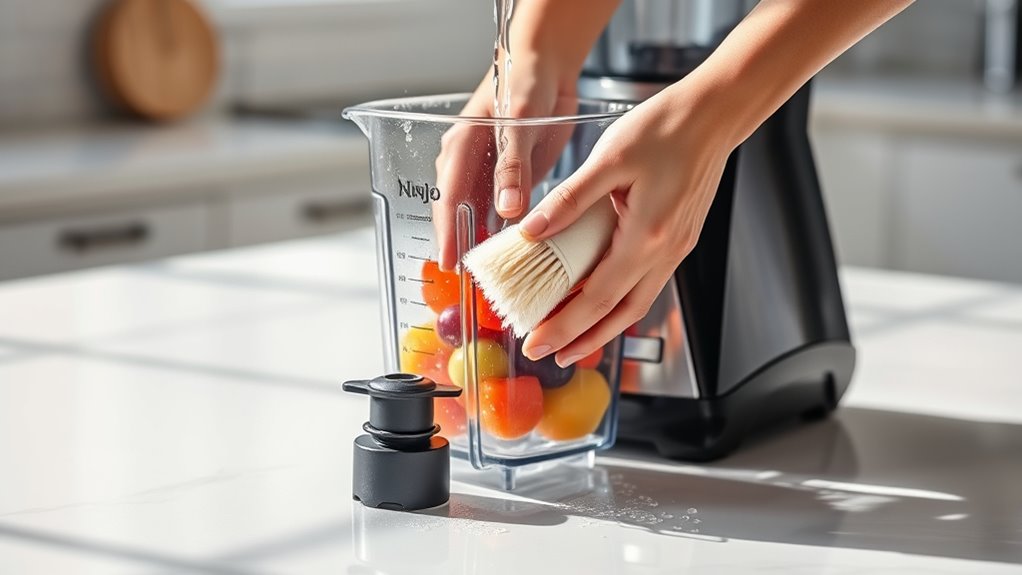
Why wait to clean your Ninja blender when you can do it right after use? Cleaning it immediately prevents food from drying and sticking to the blades and container, making your job much easier. If you let residue sit, it can become stubborn and require more effort or harsh scrubbing to remove.
Plus, leftover food particles can cause unpleasant odors or even mold growth if neglected. By rinsing and cleaning your blender right after blending, you maintain its performance and hygiene, ensuring each use is fresh and safe. This habit also saves you time later, as the blender won’t need a deep clean.
How to Safely Take Apart Your Ninja Blender
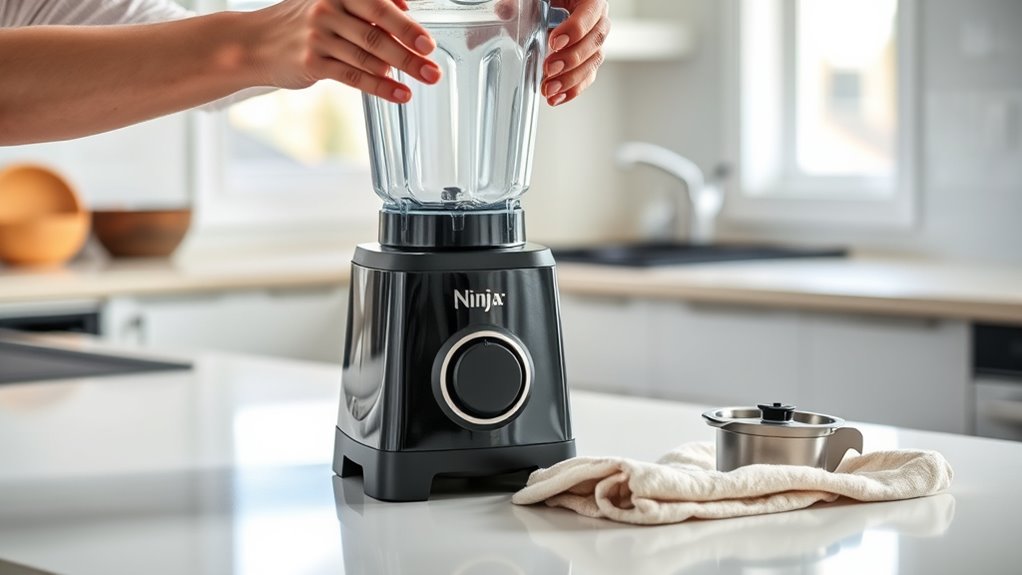
Once you’ve cleaned your Ninja blender right after use, the next step is to safely take it apart for a thorough wash. First, unplug the blender to avoid any accidents. Remove the pitcher from the base by lifting it straight up.
Next, carefully unscrew the blade assembly from the bottom of the pitcher—use a towel or cloth to protect your hands from the sharp blades. Separate the blade assembly, pitcher, and lid components. Don’t force any parts; if something feels stuck, gently wiggle it loose.
Avoid removing the motor base or internal components—those aren’t meant to be taken apart. Taking your Ninja blender apart correctly guarantees you can clean it thoroughly without damaging the parts or risking injury. Always handle the blades with care—they’re extremely sharp.
How to Clean the Ninja Blender Pitcher and Lid
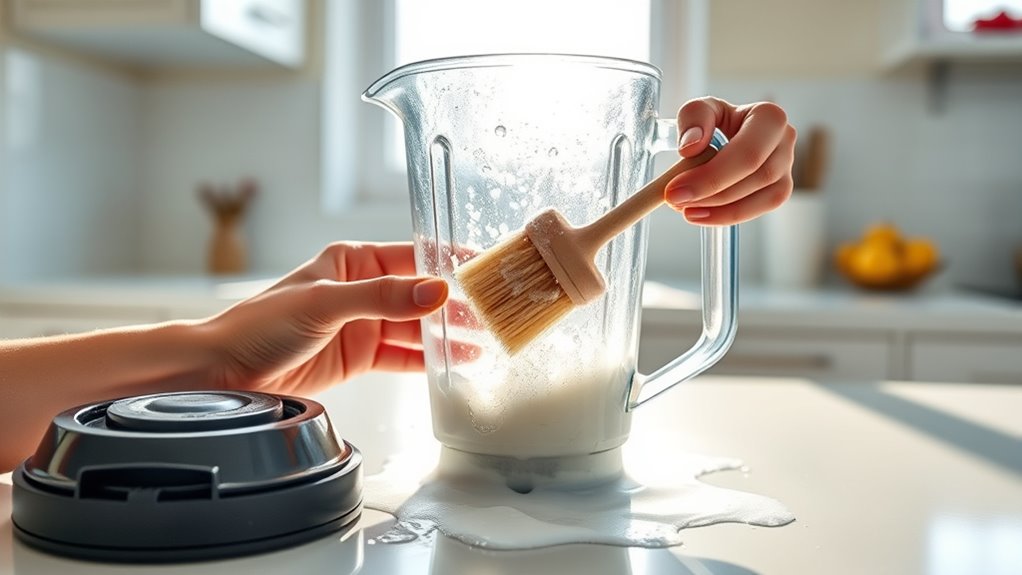
Now that you’ve taken your Ninja blender apart, it’s time to tackle the pitcher and lid. Focus on removing any stuck-on residue to keep everything fresh and clean. Don’t forget to give the lid special attention, since it often traps leftover bits.
Removing Residue Effectively
How do you tackle stubborn residue stuck in your Ninja blender pitcher and lid? Start by filling the pitcher halfway with warm water, then add a few drops of dish soap. Secure the lid and blend on high for about 30 seconds.
This action loosens residue from hard-to-reach spots. After blending, pour out the soapy water and rinse thoroughly with warm water. For any remaining stubborn spots, use a soft sponge or brush to scrub gently—avoid abrasive materials to protect the pitcher’s surface.
Pay attention to the corners and the blade area, where residue often hides. Finally, rinse again to remove all soap traces. This method saves time and keeps your pitcher spotless without disassembling it.
Cleaning Blender Lid
Although the pitcher gets most of the attention, the blender lid can trap residue in its crevices and seals, so it’s important to clean it thoroughly. Start by removing the lid from the pitcher and rinsing it under warm water to loosen stuck-on bits. Use a soft brush or sponge to scrub around the rubber seals and inside any grooves where food particles hide.
Avoid abrasive tools that could damage the lid’s surface. If residue persists, soak the lid in warm, soapy water for 10-15 minutes before scrubbing again. Rinse thoroughly to remove soap.
Make sure to dry the lid completely, especially around seals, to prevent mold and odors. Regular cleaning keeps your blender fresh and extends the life of its parts.
How to Clean Ninja Blender Blades Without Risk
You need to handle Ninja blender blades carefully to avoid cuts while cleaning. Using the right tools, like a brush with a long handle, helps you reach tight spots safely.
Let’s go over how to clean the blades effectively without risking injury.
Safe Blade Handling
Because the blades in your Ninja blender are extremely sharp, handling them with care is essential to avoid cuts while cleaning. Always unplug the blender before touching the blades. Use a brush or cloth instead of your fingers to clean around the blades.
Avoid pressing directly on the blades to prevent injury.
| Safety Tip | Why It Matters |
|---|---|
| Unplug first | Prevents accidental starts |
| Use a cleaning brush | Keeps fingers away from blades |
| Hold by the base | Avoids direct contact with blades |
| Wear cut-resistant gloves | Adds extra protection |
Following these simple safety steps will keep your hands safe while maintaining your Ninja blender blades effectively.
Effective Cleaning Tools
Handling the sharp blades carefully is just the first step to safe cleaning. To clean your Ninja blender blades without risk, use tools designed for precision and safety. A small brush with stiff bristles, like a dish brush or a toothbrush, helps you reach tight spaces without direct hand contact.
Avoid using your fingers to scrub the blades. You can also use a sponge with a handle or tongs to hold the blades while cleaning. For stubborn residue, soak the blades in warm, soapy water first, then scrub gently with your chosen tool.
These effective cleaning tools minimize injury risk and guarantee thorough cleaning, keeping your blender blades sharp and hygienic every time you clean.
Avoiding Common Injuries
Although the sharp blades of your Ninja blender are essential for its performance, they can also pose a risk if not cleaned carefully. To avoid injuries, always unplug the blender before handling the blades. Never reach directly into the blade assembly with your fingers.
Instead, use a brush or sponge with a handle to clean around the blades safely. When disassembling the blade unit, handle it by the base rather than the edges. If you’re washing the blades by hand, do so slowly and deliberately to prevent slips.
Consider cleaning the blades inside the blender jar with warm soapy water, then running the blender for a few seconds to avoid direct contact. Taking these precautions helps you clean effectively without risking cuts.
Best Cleaning Solutions for Ninja Blender Stains and Odors
When stains and odors linger in your Ninja blender, using the right cleaning solutions can make all the difference. Start by filling the blender pitcher halfway with warm water and add a few drops of mild dish soap. Run the blender on high for 30 seconds to loosen residue.
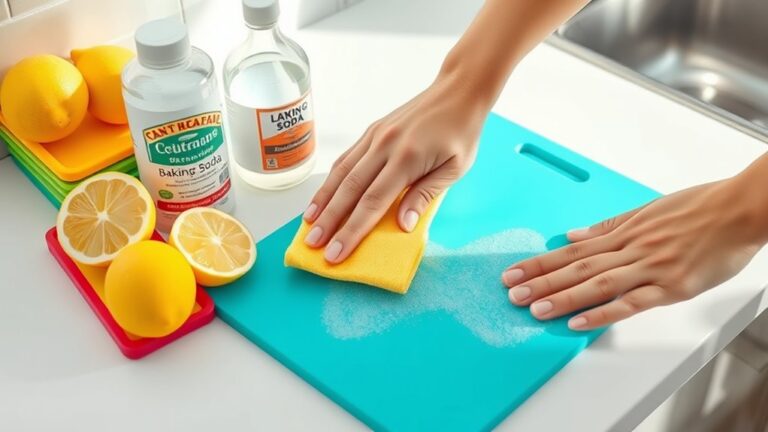
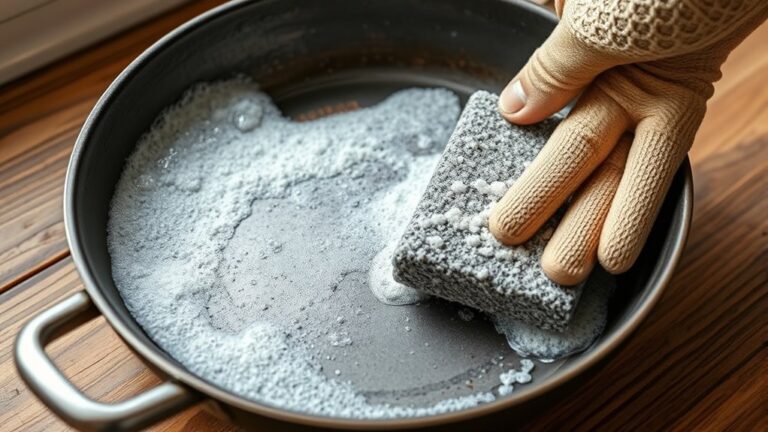
For stubborn stains, mix baking soda with water to form a paste and gently scrub the affected areas with a soft sponge. To tackle odors, pour in a cup of white vinegar diluted with water and let it sit for 10 minutes before rinsing thoroughly. Avoid harsh chemicals that can damage the pitcher or leave harmful residues.
These simple, safe solutions keep your Ninja blender fresh and ready for your next recipe.
How to Clean the Ninja Blender Base and Motor Housing
Since the blender base contains electrical components, you should never submerge it in water. Instead, unplug the unit and wipe the base and motor housing with a damp cloth. Use mild dish soap if needed, but avoid harsh chemicals or abrasive sponges to prevent damage.
Pay attention to the buttons and crevices where dirt can accumulate.
Here’s a quick guide to cleaning the base safely:
| Step | What to Use | Tips |
|---|---|---|
| Unplug | – | Always confirm power is off |
| Wipe Surface | Damp cloth, soap | Avoid excess water |
| Clean Crevices | Soft brush or toothpick | Be gentle to avoid damage |
| Dry Thoroughly | Dry cloth | Prevent moisture buildup |
This method keeps your base clean without risking electrical damage.
How to Dry and Reassemble Your Ninja Blender
After thoroughly washing your Ninja blender components, you’ll want to guarantee each part is completely dry before reassembling to prevent mold and damage. Use a clean towel or let the pieces air dry on a drying rack. Avoid using heat sources like hairdryers, as excessive heat can warp plastic parts.
Once dry, start by placing the blade assembly back into the pitcher securely. Next, attach the pitcher to the base, ensuring it locks into place properly. Finally, screw the lid on tightly to avoid leaks during use.
Double-check all parts to ensure they’re secure before plugging in your blender. Proper drying and reassembly will keep your Ninja blender functioning well and extend its lifespan.
Frequently Asked Questions
Can I Clean My Ninja Blender in a Dishwasher?
Yes, you can clean your Ninja blender parts in the dishwasher, but only the pitcher, lid, and blade assembly are dishwasher safe.
Avoid placing the motor base in the dishwasher to prevent damage.
How Often Should I Deep Clean My Ninja Blender?
You should deep clean your Ninja blender once a week if you use it daily. This prevents buildup, keeps it fresh, and guarantees it works efficiently.
Don’t forget to clean all parts thoroughly during deep cleaning.
Are There Any Foods That Damage Ninja Blender Blades?
Yes, you should avoid blending very hard foods like bones or frozen whole fruits without liquid, as they can dull or damage your Ninja blender blades.
Always cut tough items into smaller pieces for safer blending.
Can I Use Bleach to Sanitize My Ninja Blender?
Don’t throw the baby out with the bathwater—avoid using bleach to sanitize your Ninja blender. Instead, stick to mild soap and warm water to keep it safe and effective without damaging the blades or plastic parts.
How Do I Remove Mold From Hard-To-Reach Blender Parts?
You’ll want to soak those parts in a vinegar-water solution, then use a small brush or toothbrush to scrub mold away. Rinse thoroughly and dry completely to prevent mold from returning in those hard-to-reach spots.
Conclusion
Cleaning your Ninja blender right after use keeps it running smoothly and smelling clean, like a breath of fresh air in your kitchen. By carefully taking it apart, scrubbing the pitcher, blades, and base with the right solutions, and drying everything thoroughly, you’ll extend its life and enjoy better blends every time.
Follow these simple steps, and your Ninja will stay as reliable and clean as the day you bought it. Proper maintenance and regular cleaning are key to ensuring your blender performs at its best. Keeping your Ninja blender clean not only improves its efficiency but also enhances the taste and quality of your blends.