
Do Induction Cooktops Get Hot and How to Use Them Safely
Induction cooktops are a popular choice for efficient and safe cooking because they heat cookware directly through magnetic fields. Unlike traditional stoves, induction cooktops don’t get hot themselves, which reduces the risk of burns.
However, the cooktop surface can become warm due to residual heat from hot pans, so it’s important to watch for heat warnings.
Use flat, magnetic cookware designed for induction to ensure effective heating. Avoid using empty pans, as they can overheat and damage both the pan and the cooktop.
Always follow the recommended cleaning and safety tips to keep your induction cooktop in good working condition. Keep going to uncover more ways to use your induction cooktop safely and effectively.
Key Takeaways
- Induction cooktops heat cookware directly through magnetic fields, keeping the cooktop surface relatively cool during use. The cooktop surface can become hot from residual heat transferred by cookware and remains hot after cooking ends. Use magnetic, flat-bottomed cookware and avoid empty pans to prevent overheating and ensure efficient heating.
- Always heed residual heat indicators and wait for them to turn off before cleaning or touching the cooktop surface. Follow manufacturer instructions, maintain proper ventilation, and clean the cooktop regularly to ensure safe operation.
Do Induction Cooktops Get Hot? How They Heat Cookware

Although induction cooktops use electricity to generate heat, they don’t get hot in the same way traditional stoves do. Instead of heating the cooktop surface directly, they create a magnetic field that induces an electric current in your cookware. That current heats the pot or pan itself, so the heat comes from the cookware, not the cooktop.
You’ll notice the cooktop stays relatively cool since it’s not the heat source. This method is efficient because energy goes straight into heating your food, not the surrounding air or surface. Just make sure you use compatible cookware—usually magnetic materials like cast iron or stainless steel—so the induction process works properly and safely every time you cook.
Does the Induction Cooktop Surface Get Hot?

You might wonder if the induction cooktop surface itself gets hot during cooking. While the cooktop doesn’t heat up directly, it can become warm from the cookware’s residual heat.
It’s important to stay cautious, as this leftover warmth can still cause burns.
Surface Heat Generation
While induction cooktops primarily heat the cookware directly through magnetic fields, the surface itself can still get warm during cooking. This happens because heat transfers from the hot pot or pan to the cooktop’s glass surface. You might notice this warmth when cooking for longer periods or using high heat settings.
Knowing this helps you stay cautious and avoid accidental burns.
| Feeling | Reason |
|---|---|
| Surprised | Surface warmth despite no flame |
| Reassured | Heat is indirect and controlled |
| Alert | Warm surface needs attention |
| Comfortable | Fast, efficient heating |
| Confident | Safer than traditional stoves |
Understanding surface heat generation lets you use your induction cooktop safely and effectively.
Residual Heat Risks
How hot does the induction cooktop surface actually get after cooking? While the cooktop itself doesn’t heat up directly, the cookware’s heat transfers to the glass surface, so it can become hot enough to cause burns. You might notice a residual heat indicator light on your cooktop—that’s there to warn you the surface is still warm.
It’s important not to touch the cooktop immediately after cooking, even if it’s off, because the glass can remain dangerously hot for several minutes. Always wait for the indicator to turn off before cleaning or handling the surface. By respecting these residual heat risks, you’ll avoid accidental burns and keep your kitchen safe.
How Does Cookware Get Hot on Induction Cooktops?
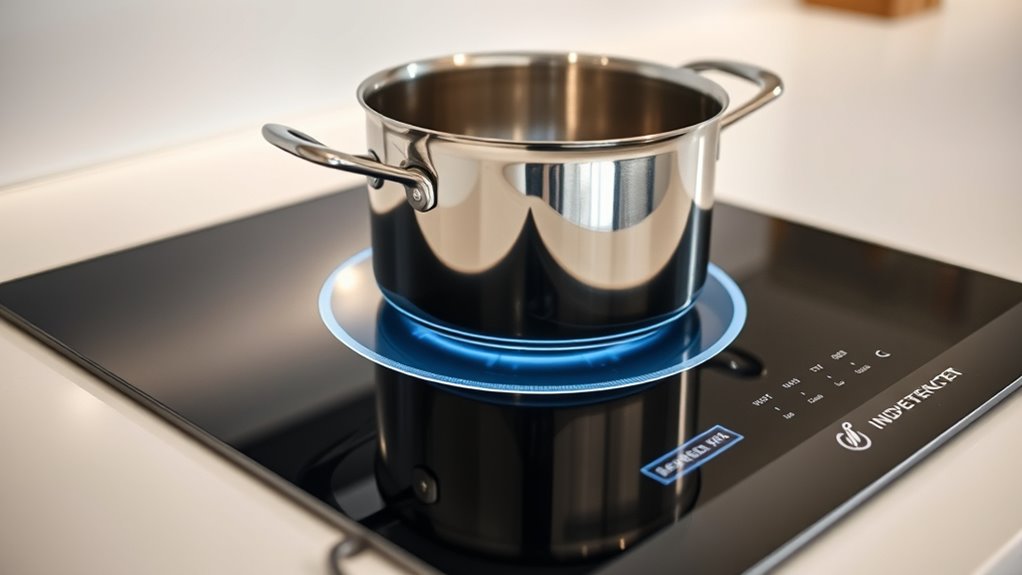
You’ll notice that cookware heats up on an induction cooktop because of the magnetic field it creates. This field directly generates heat in the pot or pan, not the cooktop surface itself.
Understanding the type of cookware you use is key since materials respond differently to this process.
Magnetic Field Interaction
Why does cookware heat up so quickly on induction cooktops? It’s all about magnetic field interaction. When you switch on an induction cooktop, it creates a rapidly changing magnetic field.
This field directly induces electric currents—called eddy currents—inside the metal of your cookware. These currents generate heat right in the pot or pan itself, making the cooking surface hot almost instantly.
Here’s what happens during this process:
- The cooktop’s coil produces an alternating magnetic field.
- Magnetic fields penetrate the ferromagnetic cookware.
- Eddy currents form inside the cookware, causing resistance and heat.
Because the heat forms inside the cookware, the cooktop stays relatively cool, improving safety and efficiency.
Heat Transfer Mechanism
The magnetic field interaction sets the stage for the heat transfer mechanism that actually warms your cookware. When you turn on an induction cooktop, an alternating current flows through a coil beneath the surface, creating a changing magnetic field. This field induces electric currents called eddy currents within the metal of your cookware.
As these currents circulate, they encounter resistance in the cookware’s material, generating heat directly inside the pot or pan. Unlike traditional stoves, the cooktop itself doesn’t get hot; instead, the heat forms right where you need it—in the cookware. This process allows for faster, more efficient heating and gives you precise control over the cooking temperature.
Just remember, the cookware must support this induction heating for it to work effectively.
Cookware Material Importance
How does your cookware actually get hot on an induction cooktop? The key lies in the material your cookware is made of. Induction cooktops use electromagnetic fields to generate heat directly in the cookware, so the metal must be magnetic to work effectively.
If your cookware isn’t compatible, it won’t heat up properly or at all.
Here’s what to look for in cookware material:
- Magnetic stainless steel: Works well and heats efficiently.
- Cast iron: Excellent for induction due to its strong magnetic properties.
- Non-magnetic metals (like aluminum or copper): Won’t work unless they have a magnetic base layer.
Choosing the right cookware guarantees your induction cooktop heats quickly and safely.
Which Cookware Works Best With Induction Cooktops?
Although induction cooktops heat differently than traditional stoves, you can still use a variety of cookware—provided it has a magnetic base. Cast iron and stainless steel pots and pans work best because their magnetic properties allow the cooktop to generate heat efficiently. To check if your cookware is compatible, simply stick a magnet to the bottom; if it holds firmly, it’s good to go.
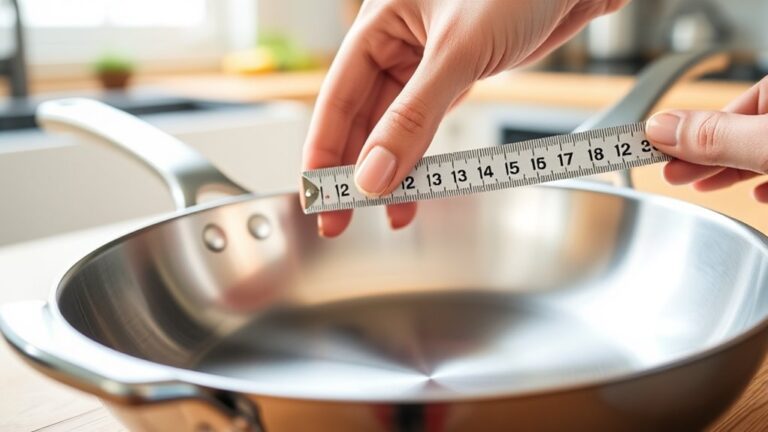
Avoid aluminum, copper, or glass cookware unless they have a magnetic layer added to the base. You’ll also want flat-bottomed cookware to ensure full contact with the cooktop’s surface, which maximizes heat transfer. Using the right cookware not only improves cooking performance but also helps keep your induction cooktop safe and in good condition.
Common Safety Risks With Induction Cooktops
Using the right cookware helps your induction cooktop perform well, but it’s also important to understand the safety risks that come with these appliances. While induction cooktops don’t heat up like traditional stoves, certain hazards still exist. Being aware of these risks keeps you safe in the kitchen.
Choosing proper cookware enhances performance, but recognizing potential safety risks ensures a safer cooking experience.
Here are some common safety risks to watch for:
- Magnetic interference: Induction cooktops use magnetic fields, which can disrupt pacemakers or other medical devices.
- Cookware overheating: If you use unsuitable pots, they can overheat quickly or cause uneven heating.
- Electrical hazards: Damaged cords or improper installation can result in electrical shocks or short circuits.
Knowing these risks helps you take precautions and enjoy your induction cooktop safely every day.
Burn Prevention Tips for Induction Cooktops
Since induction cooktops heat cookware directly rather than the cooktop surface, you might think burn risks are minimal—but you still need to stay cautious. Always use cookware with flat, smooth bottoms to ensure even heating and prevent tipping. Keep the cooktop area clear of flammable items, and never leave pots unattended while cooking.
Use oven mitts or pot holders when handling hot pans, as the cookware itself can get extremely hot. Avoid touching the cooktop immediately after cooking; residual heat from the cookware may warm the surface slightly. Teach children to stay away from the cooktop when in use.
Ultimately, turn off the cooktop promptly after use to prevent accidental burns or fires. These steps will help you cook safely and reduce burn risks.
Safe Cleaning and Maintenance Tips for Induction Cooktops
To keep your induction cooktop performing well and looking great, you’ll want to clean it regularly and handle it with care. Always wait until the surface cools completely before wiping it down to avoid burns or damage. Use a soft cloth or sponge with mild detergent—harsh abrasives can scratch the glass surface.
Avoid letting spills sit too long, especially sugary or acidic ones, as they can cause permanent stains or pitting.
Here are three safe cleaning and maintenance tips:
- Use a scraper designed for glass cooktops to gently remove stubborn residue.
- Wipe spills immediately after cooking once the surface cools to prevent buildup.
- Regularly check and clean the venting areas to ensure proper airflow and prevent overheating.
Following these steps will keep your induction cooktop safe and efficient for years.
How to Prevent Cookware From Overheating on Induction Cooktops
Keeping your induction cooktop clean and well-maintained helps it run efficiently, but protecting your cookware from overheating is just as important. To prevent overheating, always use cookware compatible with induction technology—look for flat-bottomed, magnetic materials like cast iron or stainless steel. Avoid empty pans on the cooktop; they heat quickly without food to absorb the heat, increasing the risk of damage.
Use the appropriate power setting for your cooking task; high power is perfect for boiling, but lower settings work better for simmering or melting. Keep an eye on your food to avoid prolonged heating. Finally, make sure your cookware is the right size for the burner—too small or too large pans can cause uneven heating and stress your cookware.
How to Handle an Overheating Induction Cooktop
If your induction cooktop starts to overheat, act quickly to prevent damage or safety hazards. First, turn off the cooktop immediately to stop further heating. Then, unplug it from the power source if it’s safe to do so.
Allow the cooktop to cool down completely before attempting to use it again. While it cools, check for any signs of damage or blockages near the vents.
To handle overheating effectively:
- Avoid covering ventilation areas that help dissipate heat.
- Use cookware recommended by the manufacturer to guarantee proper heat control.
- Keep the cooktop surface clean to prevent residue buildup that may cause excess heat.
If overheating persists, contact a professional technician for inspection.
Frequently Asked Questions
Can Induction Cooktops Interfere With Medical Devices Like Pacemakers?
Yes, induction cooktops can interfere with pacemakers. If you have one, you should keep a safe distance while cooking and consult your doctor for specific advice to avoid any potential electromagnetic interference risks.
Are Induction Cooktops More Energy-Efficient Than Gas Stoves?
Yes, induction cooktops are more energy-efficient than gas stoves because they directly heat the cookware, reducing energy loss. You’ll save energy and cook faster, making your kitchen more eco-friendly and cost-effective.
How Do Induction Cooktops Affect Kitchen Ventilation Needs?
Induction cooktops produce less ambient heat, so you won’t need heavy-duty ventilation like with gas stoves. Still, you should use a range hood to remove steam, odors, and any cooking fumes for a comfortable kitchen environment.
This helps maintain air quality and keeps your kitchen pleasant while cooking. Even with reduced heat, proper ventilation is important to manage moisture and smells.
Using an efficient range hood ensures that your kitchen stays fresh and free of lingering cooking residues.
Can Induction Cooktops Be Used Outdoors or in RVS?
Yes, you can use induction cooktops outdoors or in RVs, as long as you have a proper power source and ventilation. Just make certain the cooktop stays dry and stable, and avoid extreme weather conditions for safety.
Ensure the cooktop is placed on a level surface to prevent accidents. Proper ventilation is important to avoid overheating.
Keep the device protected from rain and moisture to maintain its functionality. Using it in a sheltered outdoor area can help. Always follow the manufacturer’s guidelines for safe use.
What Is the Typical Lifespan of an Induction Cooktop?
You can expect your induction cooktop to last around 10 to 15 years with proper care. Regular cleaning and avoiding scratches will help it perform efficiently throughout its lifespan, keeping your cooking smooth and safe.
Taking care of your cooktop not only extends its life but also ensures safety in your kitchen. Small maintenance steps can make a big difference.
Conclusion
Think of your induction cooktop like a skilled dance partner—only heating the cookware, not the floor beneath. While the surface may get warm, it rarely gets dangerously hot. By choosing the right pots and following safety tips, you keep the dance smooth and safe.
Remember, just as a dancer avoids missteps, you can prevent burns and overheating by staying attentive and maintaining your cooktop properly. This way, cooking stays a joyful rhythm, not a risky tango.
To use your induction cooktop safely, always select compatible cookware and avoid touching the surface immediately after use. Keep the cooktop clean and free from spills to prevent any hazards. Following these simple precautions ensures your induction cooktop remains both efficient and safe for everyday cooking.