What Can You Do With Old Cookware?
You can easily give your old cookware a second life by turning pans into garden planters or creative storage solutions. Repurposing old pots and pans is a great way to reduce waste and add unique touches to your home or garden.
If the cookware is still safe, consider donating it after thorough cleaning to extend its usability.
When it’s no longer usable, check local recycling guidelines to dispose of it responsibly, removing non-metal parts first. Avoid using damaged items to stay safe and prevent accidents in the kitchen.
There are plenty of ways to refresh or repurpose your old pieces before deciding what’s next.
Key Takeaways
- Inspect old cookware for damage and decide if it’s safe to continue using or needs disposal.
- Repurpose cookware as planters, wall art, or storage organizers for creative home and garden use.
- Thoroughly clean and remove non-metal parts before donating or recycling cookware responsibly.
- Restore cookware by re-seasoning or polishing to extend its usability and maintain safety.
- Follow local disposal guidelines and consider scrap metal yards for environmentally safe cookware disposal.
Deciding What to Do With Old Cookware
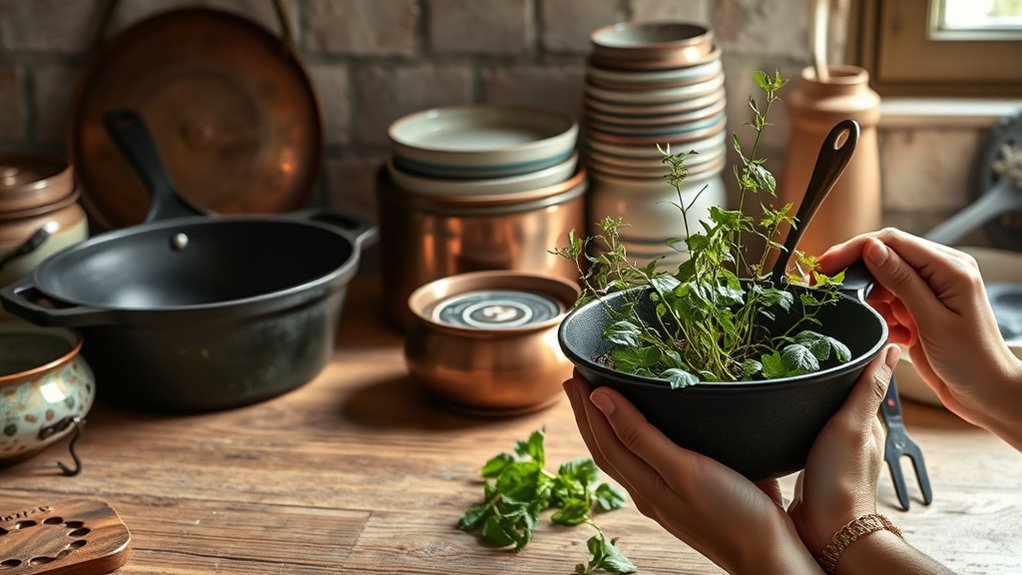
Before you toss out your old cookware, take a moment to contemplate its condition and potential uses. Check for damages like cracks, warping, or non-stick coating wear. If it’s still safe to use, consider whether you want to keep it for occasional cooking or if it’s time to part ways.
Think about sentimental value too—some pieces might be worth holding onto. If you decide not to use them anymore, assess how easy it is to clean and repurpose. Reflect on your space and lifestyle; bulky pots might clutter your kitchen, while smaller items could find new ways to be useful.
DIY Projects to Repurpose Old Cookware
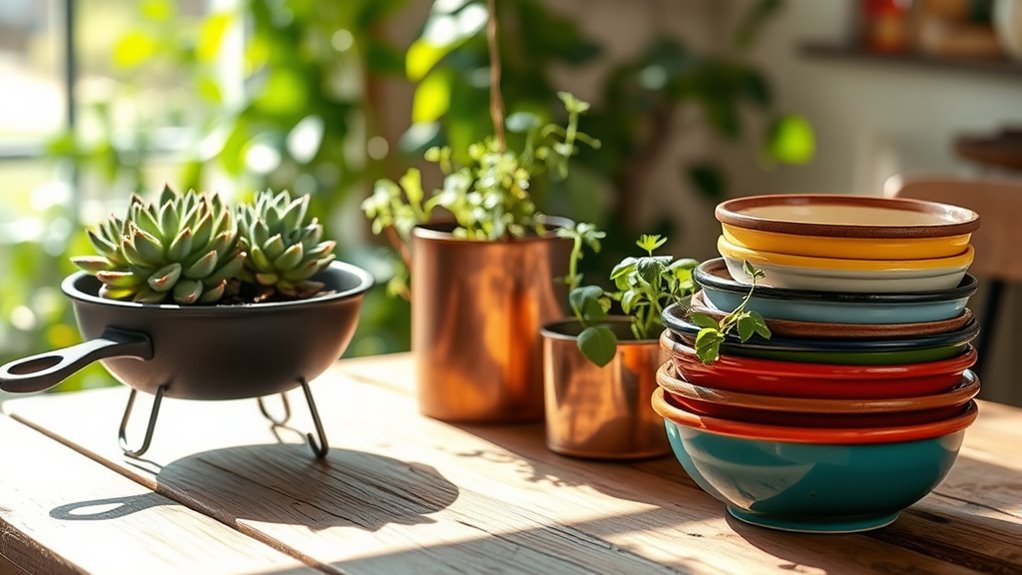
You can turn old pans into charming planters that brighten up any space. Why not craft unique wall art using vintage cookware to add character to your walls?
With a little creativity, those worn pots and pans become stylish storage solutions you’ll actually want to use.
Planters From Old Pans
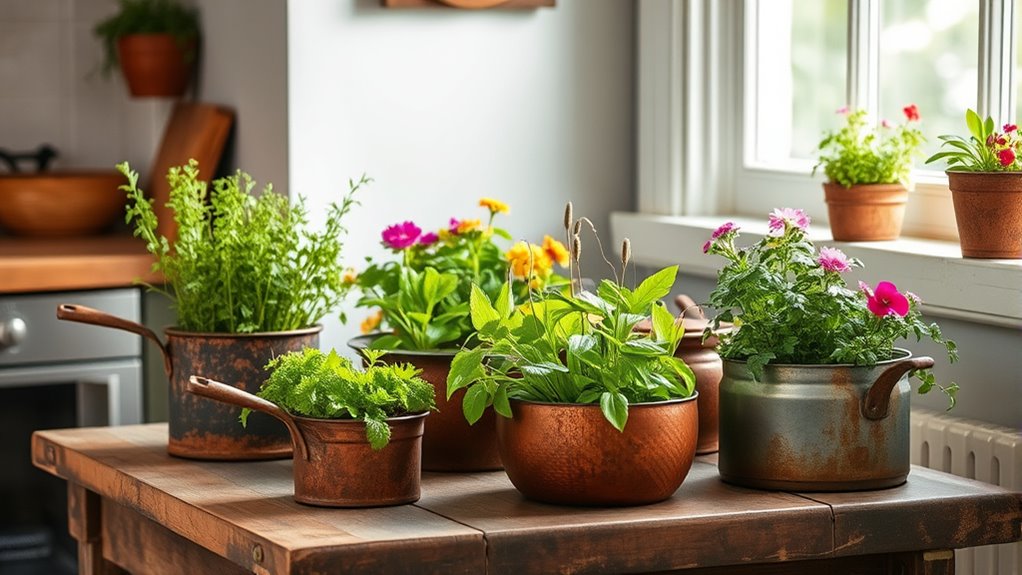
Although old pans might seem useless in the kitchen, they make charming and unique planters that brighten up any space. You can turn frying pans, saucepans, or even lids into eye-catching containers for your favorite herbs or succulents. Just add some drainage holes and fill them with soil.
Whether hanging or sitting on a windowsill, these planters add a rustic touch to your home or garden.
| Pan Type | Ideal Plants | Placement Ideas |
|---|---|---|
| Cast Iron | Succulents, Cacti | Patio table, Balcony |
| Non-stick | Herbs, Small flowers | Kitchen window, Shelf |
| Stainless Steel | Ferns, Ivy | Hanging in porch |
| Copper | Mini roses, Vines | Garden nook, Entryway |
Unique Wall Art
Old cookware offers more than just practical uses like planters; it can also transform your walls into conversation pieces. You can easily turn old pots, pans, and lids into unique wall art that adds character and charm to your space. Start by cleaning and drying your cookware, then arrange them creatively on your wall.
Here are some ideas to get you started:
- Create a colorful mosaic using different sized lids and pans.
- Paint or stencil designs on the cookware for a personalized touch.
- Mount pots and pans with hooks to double as both art and functional storage.
This DIY project is affordable, eco-friendly, and adds a quirky flair to your kitchen or living area. Give your old cookware a new life as eye-catching wall décor!
Vintage Storage Solutions
How can you transform worn cookware into stylish storage solutions? Start by cleaning old pots, pans, or baking tins, then give them a fresh coat of paint or sealant to brighten their look. Use a large pot as a quirky planter or to store kitchen utensils.
Smaller pans can hold office supplies, craft materials, or bathroom essentials. Hang vintage lids on a wall as unique shelves or attach hooks to pans for hanging keys and jewelry. You can even stack different-sized pots to create tiered storage for fruits or snacks.
These DIY projects not only reduce waste but add a charming, vintage touch to your space. Repurposing old cookware like this makes organizing both functional and fun.
Turning Old Cookware Into Garden Planters
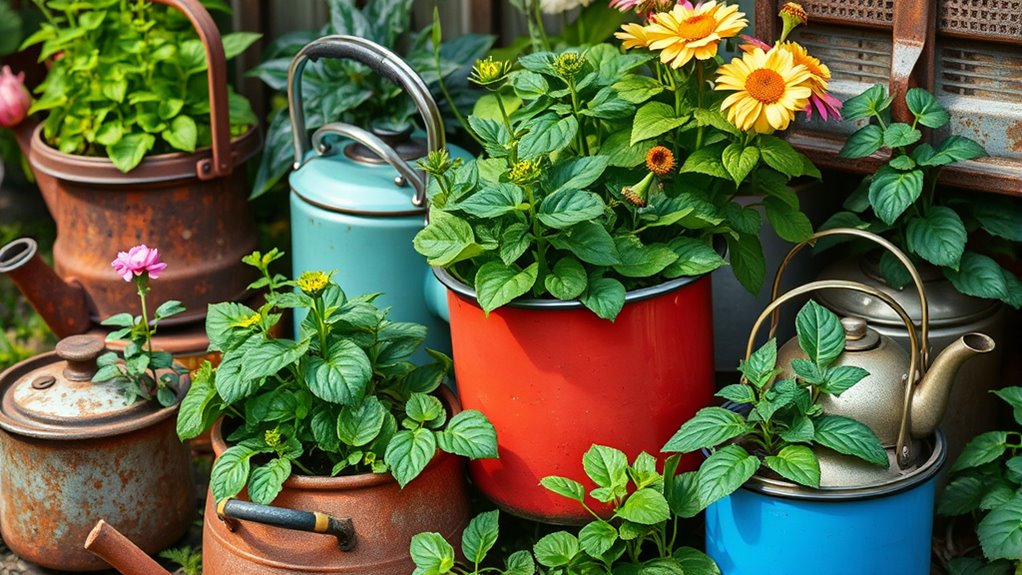
You can turn old cookware into charming garden planters by choosing pieces that drain well and suit your plants’ needs. Before planting, make sure to clean and prepare the cookware properly to protect your plants.
Then, get creative with arranging different plants to add a unique touch to your garden.
Choosing Suitable Cookware
When selecting cookware to repurpose as garden planters, focus on pieces with sturdy construction and ample depth to support soil and plant roots. You want containers that won’t easily crack or rust, ensuring your plants have a safe environment. Consider cookware that offers good drainage options or can be modified for it.
Look for these qualities in your old cookware:
- Durable materials like cast iron or thick stainless steel
- Sufficient depth—at least 4-6 inches for root growth
- Wide openings to provide enough space for plants to spread
Avoid items with severe rust or non-stick coatings that might degrade outdoors. Choosing the right cookware sets a solid foundation for healthy plants and a charming garden display.
Preparing Cookware For Planting
Before planting, prepare your cookware by thoroughly cleaning it to remove any grease, rust, or residue that could harm your plants. Use warm, soapy water and a scrub brush to get rid of stubborn grime. If rust is present, gently sand it off to create a smooth surface.
Next, drill drainage holes in the bottom to prevent waterlogging, which can damage roots. If your cookware doesn’t allow for drilling, consider adding a layer of small stones or broken pottery at the bottom to improve drainage.
Finally, line the container with a breathable fabric or a thin layer of mesh to keep soil from escaping while allowing water flow. Once prepared, your cookware will be ready to support healthy, thriving plants.
Creative Plant Arrangement Ideas
Although old cookware might seem outdated, it offers unique opportunities for creative plant arrangements that can brighten your garden or indoor space. You can transform skillets, teapots, or muffin tins into eye-catching planters with just a little effort. Here are some ideas to inspire you:
- Use a tiered stand filled with various sized pans to create a vertical herb garden.
- Fill a vintage teapot with succulents for a charming indoor centerpiece.
- Arrange colorful old muffin tins on a wall or fence, planting small flowers or cacti in each cup.
These arrangements not only recycle your old cookware but also add personality and a touch of whimsy to your planting spaces. Give your garden a fresh twist with these creative ideas!
Practical Ways to Use Old Cookware at Home
You can transform old cookware into useful items that brighten up your home and reduce waste. For example, turn a worn-out skillet into a rustic serving tray for snacks or candles. Use old pots as stylish storage containers for utensils, craft supplies, or even bathroom essentials.
Smaller pans can become unique catch-alls by your entryway for keys and loose change. If you have a chip-resistant or enamel-coated pot, repurpose it as a charming planter indoors or on your balcony. You might also convert a sturdy pan into a wall-mounted rack by adding hooks for hanging kitchen tools.
These practical ideas give your old cookware a second life while keeping your space organized and eco-friendly.
How to Donate Old Cookware Safely
When donating old cookware, ensuring it’s clean and in good condition makes a big difference for those who’ll use it. Start by thoroughly washing your pots, pans, and utensils to remove any residue.
Next, inspect each item for damage like cracks or rust, as these can make cookware unsafe or unusable. Finally, package your cookware neatly to avoid damage during transport.
Keep these tips in mind to donate safely:
- Clean thoroughly: Food residue can attract pests or cause odors.
- Check for defects: Avoid donating broken or heavily worn items.
- Choose reputable organizations: Confirm they accept cookware and have clear donation guidelines.
Following these steps helps your old cookware find a new home where it can be safely and happily used.
How to Recycle Old Cookware Properly
If your old cookware is no longer safe to use or donate, recycling offers a responsible way to dispose of it. First, check with your local recycling center to see if they accept metal cookware. Many centers take cast iron, stainless steel, and aluminum pots and pans.
Remove any non-metal parts like plastic handles or rubber grips, as these can contaminate the recycling process. If your cookware has non-recyclable coatings, like Teflon, verify local guidelines since some areas have special disposal rules. You can also look for scrap metal yards that accept cookware for metal recovery.
Common Mistakes When Repurposing Cookware
Although repurposing old cookware can be a creative and eco-friendly choice, many people make avoidable mistakes that reduce its usefulness or safety. You want your projects to last and be safe, so watch out for these common pitfalls.
- Ignoring material safety: Not all cookware materials are safe for certain uses, like planting or food storage. Check for harmful coatings or residues before repurposing.
- Skipping thorough cleaning: Old grease, rust, or food particles can cause contamination or attract pests. Always clean and sanitize your cookware well.
- Using damaged pieces: Cracks, chips, or warping can make pots and pans unstable or unsafe to handle. Avoid using cookware with significant damage in your projects.
Steer clear of these errors to make the most of your old cookware safely.
Final Tips for Extending the Life of Old Cookware
To keep your old cookware in good shape, you should handle it with care and perform regular maintenance. Always clean your pans gently, avoiding abrasive scrubbers that can damage surfaces. Season cast iron regularly to maintain its non-stick layer and prevent rust.
Store cookware properly—nest pots with paper towels between them to avoid scratches. Avoid rapid temperature changes to prevent warping. If your cookware has detachable handles or lids, check and tighten them periodically.
When repurposing old cookware, make sure it’s thoroughly cleaned before use. Finally, don’t hesitate to restore cookware by re-seasoning or polishing when necessary. Following these simple tips helps extend the life of your old cookware, saving you money and reducing waste over time.
Frequently Asked Questions
Can Old Cookware Be Safely Used for Cooking After Years of Storage?
You can safely use old cookware after years of storage if you thoroughly clean it, check for rust or damage, and confirm non-stick coatings aren’t peeling.
If anything’s compromised, it’s best to replace it for safety.
How Do I Remove Stubborn Stains From Vintage Cookware?
You’ll conquer stubborn stains like a hero battling an endless dragon by scrubbing with baking soda and vinegar paste. Let it sit, then scour gently.
For tough spots, a lemon’s acidity works wonders without harming your vintage treasure.
What Are the Health Risks of Using Scratched Non-Stick Pans?
You risk ingesting toxic chemicals when using scratched non-stick pans, as damaged coatings can release harmful fumes and particles.
It’s best to replace them to avoid potential respiratory issues or long-term health problems.
Can Old Cast Iron Cookware Be Restored to Its Original Condition?
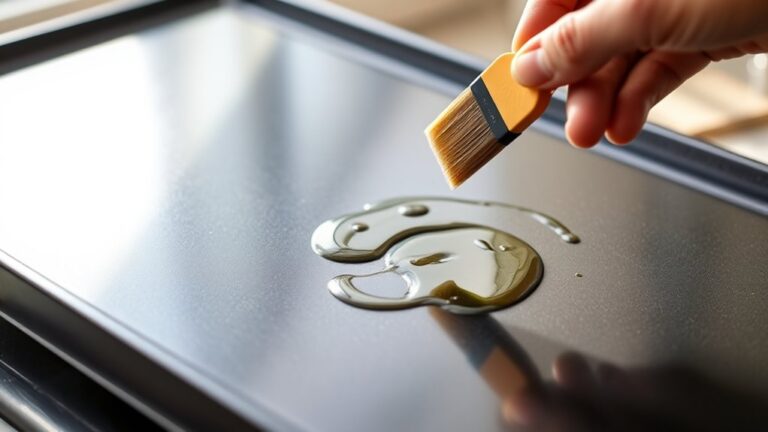
Yes, you can restore old cast iron cookware by scrubbing off rust, reseasoning it with oil, and heating it properly.
With some effort, your cast iron can become non-stick and last for generations.
Are There Specific Cookware Materials to Avoid for Allergy Reasons?
You might think all cookware is safe, but avoid nickel-containing stainless steel if you’re allergic. Also, steer clear of aluminum if it irritates you. Always check materials to prevent allergic reactions while cooking.
Conclusion
You might think old cookware belongs in the trash, but it’s full of potential instead. Instead of gathering dust or cluttering your cabinets, you can transform those pots and pans into charming garden planters or handy storage containers. Donating or recycling them responsibly keeps waste down and helps others.
By choosing creativity and care over disposal, you give your old cookware a second life—proving that what’s old can be surprisingly new again. Embracing upcycling and recycling not only benefits the environment but also adds unique charm to your home. Remember, with a bit of imagination, old cookware can be repurposed in countless useful and eco-friendly ways.