Can You Put Titanium Cutting Boards in the Dishwasher?
You shouldn’t put your titanium cutting board in the dishwasher if you want to keep it looking and performing its best. Titanium cutting boards are prized for their durability and resistance to wear, but dishwasher use can compromise these qualities.
The high heat and harsh detergents in dishwashers can dull the surface, cause discoloration, and even lead to corrosion over time.
Hand washing with mild soap and warm water is gentler and helps your board last longer. Proper care also includes immediate drying and careful storage.
If you want to protect your board and learn how to maintain it well, there’s more to contemplate.
Key Takeaways
- Titanium cutting boards are not recommended for dishwasher use to avoid surface discoloration and finish degradation.
- High heat and harsh detergents in dishwashers can cause corrosion, dulling, and pitting on titanium surfaces.
- Hand washing with mild soap and warm water preserves the board’s appearance and performance.
- Immediate drying after cleaning prevents water spots and extends the board’s lifespan.
- Proper storage in a dry, ventilated area further protects the board from moisture damage and warping.
Are Titanium Cutting Boards Dishwasher Safe?
Although titanium is known for its strength and corrosion resistance, you should avoid putting titanium cutting boards in the dishwasher. The dishwasher’s high heat and strong detergents can affect the board’s surface, potentially causing discoloration or surface dulling over time. Titanium cutting boards often have coatings or finishes that protect their surface and enhance durability, and these can degrade with repeated dishwasher cycles.
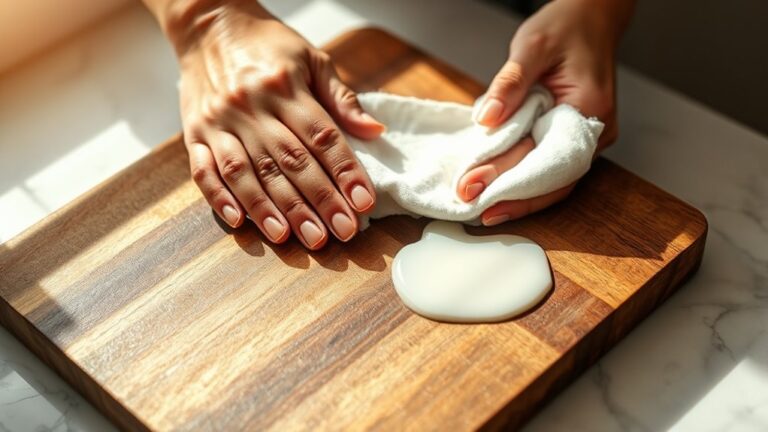
Instead, washing your titanium cutting board by hand with mild soap and warm water preserves its appearance and performance. You can dry it immediately with a soft towel to prevent water spots. Taking these simple steps helps maintain the board’s integrity, ensuring it lasts longer and remains safe and effective for your food preparation needs.
What Risks Come With Dishwashing Titanium Cutting Boards?
You might not realize it, but dishwashing your titanium cutting board can lead to corrosion over time. The high heat and harsh detergents can weaken the board’s structure, affecting its durability.
It’s important to understand these risks before tossing your board in the dishwasher regularly.
Potential Corrosion Issues
When you put titanium cutting boards in the dishwasher, they may face potential corrosion risks despite titanium’s reputation for durability. Although titanium resists rust better than many metals, the harsh detergents and high heat in dishwashers can still cause surface degradation over time. These detergents often contain strong alkaline substances and chlorine, which can react with titanium’s protective oxide layer, leading to pitting or discoloration.
If your cutting board has any scratches or micro-cracks, these areas become more vulnerable to corrosion. Frequent dishwasher cycles accelerate this wear, increasing the chance of corrosion spots forming. To minimize risks, avoid harsh detergents and choose a mild dishwasher setting if you must use one, but hand washing remains the safest option to preserve your titanium cutting board’s surface.
Impact On Board Integrity
Because titanium cutting boards undergo repeated exposure to high heat and strong detergents in dishwashers, their structural integrity can weaken over time. You might notice warping or small cracks developing, which compromises the board’s durability. The intense conditions can also cause surface roughness, making it easier for bacteria to hide in tiny crevices.
Additionally, repeated dishwashing can dull the smooth finish, reducing the board’s resistance to stains and scratches. If you rely on your titanium cutting board for its strength and longevity, frequent dishwasher use could shorten its lifespan considerably. To keep your board in top shape, it’s better to hand wash it with mild soap and warm water.
This approach preserves both its appearance and functionality, ensuring you get the most out of your investment.
Can Titanium Cutting Boards Handle Dishwasher Heat?
Although titanium is known for its exceptional heat resistance, you might wonder if dishwasher temperatures could still affect a titanium cutting board’s integrity.
Fortunately, titanium cutting boards can generally handle the high heat inside dishwashers without warping or degrading. Most dishwashers reach temperatures between 120°F and 160°F, well below titanium’s melting point of over 3000°F.
However, repeated exposure to heat combined with moisture might cause minor surface changes over time.
| Dishwasher Temp (°F) | Titanium Melting Point (°F) | Risk Level |
|---|---|---|
| 120 – 160 | 3000+ | Very Low |
| 160 – 180 | 3000+ | Low |
| Above 180 | 3000+ | Minimal Concern |
How Does Dishwasher Water Pressure Affect Titanium Boards?
Since titanium is a strong and durable metal, the water pressure inside your dishwasher generally won’t damage your titanium cutting board. The jets in a dishwasher apply consistent but moderate pressure designed to clean dishes without causing harm. Your titanium board can easily withstand this force without warping, cracking, or suffering surface damage.
However, you should make sure the board is securely placed to prevent it from shifting or banging against other items during the washing cycle, as repeated impacts could cause scratches. Overall, dishwasher water pressure poses no real threat to titanium cutting boards, so you can trust it to clean your board effectively without compromising its integrity or performance.
Just avoid placing it loosely where it might move around.
Are Dishwasher Detergents Safe for Titanium Cutting Boards?
While dishwasher water pressure won’t harm your titanium cutting board, the type of detergent you use can have an impact. Some detergents contain harsh chemicals that might dull the board’s finish or cause discoloration over time.
To keep your titanium cutting board in top shape, consider these points:
- Choose mild, phosphate-free detergents to avoid corrosive effects.
- Avoid bleach or strong alkaline detergents that can damage the surface.
- Opt for detergents labeled as safe for metals or delicate items.
- Rinse the board promptly after the dishwasher cycle to remove any detergent residue.
How to Spot Damage on Your Titanium Cutting Board After Dishwashing
After running your titanium cutting board through the dishwasher, check for any surface scratches or marks that weren’t there before. Look closely for discoloration or stains that could signal damage from detergent.
Also, feel for any warping or changes in shape that might affect its performance.
Surface Scratches And Marks
Though titanium is known for its durability, you might still notice surface scratches or marks on your cutting board after running it through the dishwasher. These imperfections can appear from abrasive detergents or contact with other utensils during the wash cycle.
To spot damage, look closely for:
- Fine lines or light scratches on the surface that weren’t there before.
- Areas where the smooth finish feels rougher or uneven to the touch.
- Small, dull spots that contrast with the board’s usual shine.
- Unexpected grooves or indentations caused by repeated friction.
Discoloration And Stains
If you notice your titanium cutting board looking dull or uneven in color after a dishwasher cycle, discoloration and stains may be the cause. These changes often appear as yellowish or brownish patches that don’t scrub off easily. Dishwasher detergents and high heat can react with the titanium surface, leading to these visible marks.
Here’s how to identify discoloration and stains on your board:
| Sign | Description |
|---|---|
| Dullness | Loss of the board’s natural shine |
| Uneven Coloration | Patches or streaks darker or lighter |
| Persistent Stains | Marks that resist regular cleaning |
| Yellowing | Slight yellow tint on the surface |
Watch for these signs to keep your cutting board looking its best after washing.
Warping Or Structural Changes
While titanium is known for its strength and durability, repeated exposure to high heat and strong dishwasher detergents can cause warping or subtle structural changes in your cutting board. After dishwashing, you should carefully inspect your board for any signs of damage. Here’s how to spot warping or structural issues:
- Check for uneven surfaces by running your hand over the board.
- Look for any bends or curves that weren’t there before.
- Place the board on a flat surface to see if it rocks or tilts.
- Inspect edges and corners for any cracks or chips.
If you notice any of these signs, it’s best to avoid the dishwasher to preserve your titanium cutting board’s integrity.
What Are the Best Ways to Clean Titanium Cutting Boards?
Cleaning titanium cutting boards is straightforward when you know the right methods. Start by rinsing your board with warm water to remove loose debris. Then, use a soft sponge or cloth with mild dish soap to scrub the surface gently.
Avoid abrasive scrubbers, as they can scratch the titanium. For tougher stains or odors, mix baking soda with water to form a paste, apply it to the board, and let it sit for a few minutes before rinsing. You can also use a diluted vinegar solution to disinfect and remove residues without harming the metal.
After cleaning, dry your cutting board thoroughly with a clean towel to prevent water spots. Following these steps will keep your titanium cutting board clean, safe, and looking great.
Does Hand Washing Help Extend the Life of Titanium Cutting Boards?
You’ll find that hand washing your titanium cutting board provides a gentler clean that helps preserve its surface. Avoiding the dishwasher prevents potential damage from high heat and harsh detergents.
Taking a simple, careful approach can extend the life of your cutting board considerably.
Benefits of Gentle Cleaning
Although titanium is known for its durability, hand washing your cutting board can considerably extend its lifespan. By gently cleaning it, you avoid harsh conditions that might cause wear over time.
When you wash by hand, you control the temperature and pressure, preventing unnecessary stress on the board.
Here are four benefits of gentle cleaning:
- Preserves surface integrity – avoids scratches and dents from abrasive dishwasher cycles.
- Prevents discoloration – keeps your board looking new without harsh detergents.
- Reduces corrosion risk – limits exposure to high heat and chemicals that could degrade the material.
- Maintains finish – gentle cleaning retains the board’s smooth texture and protective coating.
Hand washing helps you keep your titanium cutting board in prime condition longer.
Avoiding Dishwasher Damage
Since dishwashers expose titanium cutting boards to high heat and harsh detergents, they can cause damage over time. To avoid this, hand washing is a better option. When you wash your titanium cutting board by hand, you control the water temperature and choose gentle dish soap, preventing wear and discoloration.
Avoid soaking it for long periods, as prolonged exposure to water may affect the board’s surface. Use a soft sponge or cloth to clean, steering clear of abrasive scrubbers that can scratch the titanium. After washing, dry the board immediately to prevent moisture buildup.
How Often Should You Deep Clean Titanium Cutting Boards?
While titanium cutting boards resist stains and odors better than many materials, you still need to deep clean them regularly to maintain hygiene. How often you do this depends on usage and what you’re cutting. For best results, follow these guidelines:
- Deep clean weekly if you use the board daily for meats or fish.
- Clean biweekly if you mainly chop fruits and vegetables.
- Immediately deep clean after contact with raw poultry or seafood to prevent contamination.
- Always deep clean after any visible stains or lingering odors persist despite regular washing.
How to Store Titanium Cutting Boards to Prevent Damage
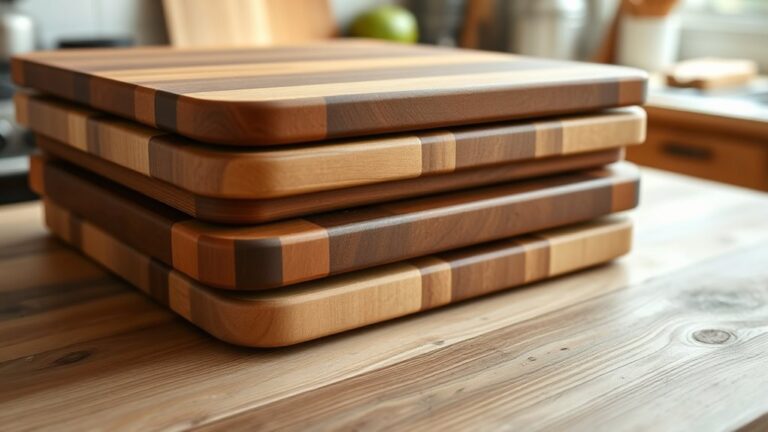
When you want your titanium cutting board to last, proper storage is key to preventing scratches, warping, or other damage. Always store your board in a dry, well-ventilated area to avoid moisture buildup, which can lead to corrosion over time. Avoid stacking heavy items on top of it, as titanium boards can dent or warp under pressure.
If you have multiple cutting boards, use a vertical rack or divider to keep them separated and prevent surface contact. Additionally, don’t store your board near sharp utensils or abrasive tools that could scratch its surface. Wiping it dry after each use before storing will also help maintain its condition.
With these simple steps, you’ll keep your titanium cutting board in top shape for years.
When Should You Replace Your Titanium Cutting Board for Safety?
Although titanium cutting boards are known for their durability, you should still replace them if you notice deep scratches, warping, or any signs of corrosion that could harbor bacteria. Regularly inspect your board to confirm it remains safe for food preparation.
Here are four key signs it’s time to replace your titanium cutting board:
- Deep gouges or scratches that can trap bacteria.
- Noticeable warping that affects stability during use.
- Corrosion spots or discoloration indicating surface breakdown.
- Persistent odors or stains that don’t wash away.
Frequently Asked Questions
What Are the Benefits of Using Titanium Cutting Boards?
You get a durable, lightweight cutting board that resists bacteria and won’t warp or stain easily. Titanium’s strength means it lasts long, stays hygienic, and handles tough kitchen tasks without dulling your knives quickly.
How Heavy Are Titanium Cutting Boards Compared to Other Materials?
You’ll find titanium cutting boards are lighter than most metal ones but heavier than plastic or bamboo boards. Their strength lets you handle them easily without sacrificing durability, making them a great middle ground in weight and toughness.
Are Titanium Cutting Boards Safe for Use With All Types of Knives?
Think of your knives as artists, and the titanium cutting board as their canvas. You can safely use all knife types on it since titanium resists scratches and dulling, letting your blades stay sharp while you create culinary masterpieces.
Can Titanium Cutting Boards Be Used for Both Food Prep and Serving?
Yes, you can use titanium cutting boards for both food prep and serving. They’re durable, easy to clean, and look sleek, so you’re getting a practical and stylish option that works well in the kitchen and at the table.
Do Titanium Cutting Boards Have Any Antibacterial Properties?
Yes, titanium cutting boards have natural antibacterial properties that help reduce bacteria growth. You’ll find they resist corrosion and don’t harbor germs easily, making them a hygienic choice for your kitchen prep and serving needs.
Conclusion
You might worry that hand washing your titanium cutting board is too time-consuming, but it actually helps preserve its durability and finish better than the dishwasher. While titanium can handle dishwasher heat and pressure, repeated exposure to harsh detergents and high temperatures may cause gradual wear.
By washing it gently by hand and storing it properly, you’ll extend its life and keep it safe for food prep. Making the extra effort well worth it for maintaining the quality and longevity of your titanium cutting board. Proper care is key to ensuring your cutting board remains a reliable kitchen tool.