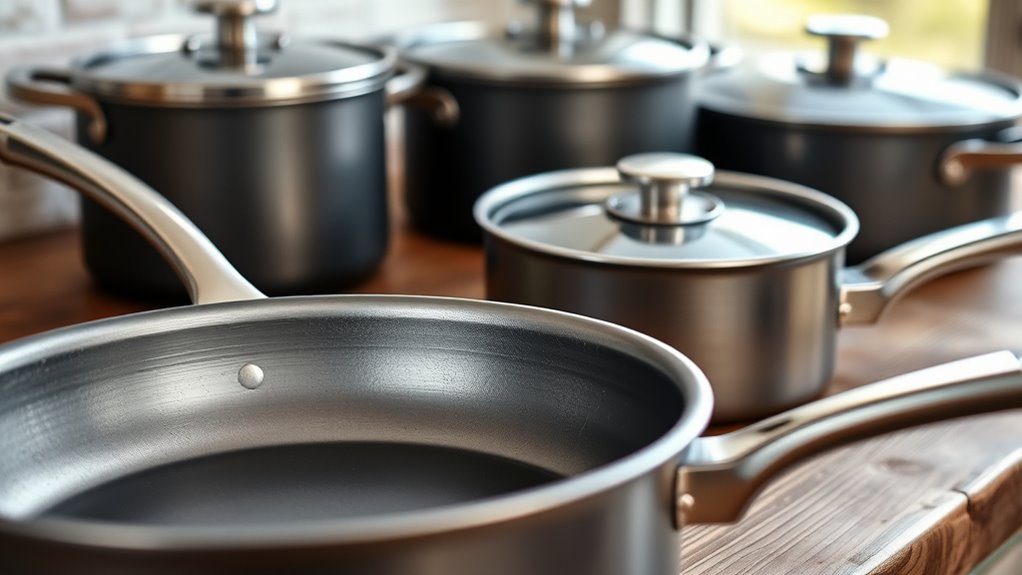
What Is Anodized Cookware
Anodized cookware is a popular type of aluminum cookware that has been enhanced through an electrochemical process. This process creates a hard, durable, and non-reactive surface that sets anodized cookware apart from regular aluminum pans.
Because of this treatment, anodized cookware is highly resistant to scratches, corrosion, and acids found in foods like tomatoes and citrus. This means your meals won’t pick up any metallic flavors, ensuring a pure taste every time.
Anodized cookware also heats evenly, which helps prevent hot spots and promotes consistent cooking results. Additionally, it cleans easily, making it a convenient choice for everyday use.
If you want to understand how anodized cookware is made, its benefits, and how to properly care for it, there’s plenty more to explore. This guide will help you discover why anodized cookware is a reliable and long-lasting option for your kitchen.
Key Takeaways
- Anodized cookware is aluminum treated to form a hard, durable oxide layer that resists scratches, corrosion, and warping.
- The anodizing process involves electrochemical oxidation, creating a non-reactive, smooth surface that enhances heat distribution.
- This cookware is highly resistant to acidic foods, preventing metallic taste and discoloration during cooking.
- It offers excellent durability, maintaining shape and performance through frequent use and proper care.
- Anodized cookware is easy to clean, compatible with most stovetops, and safe for high-heat cooking.
What Exactly Is Anodized Cookware?
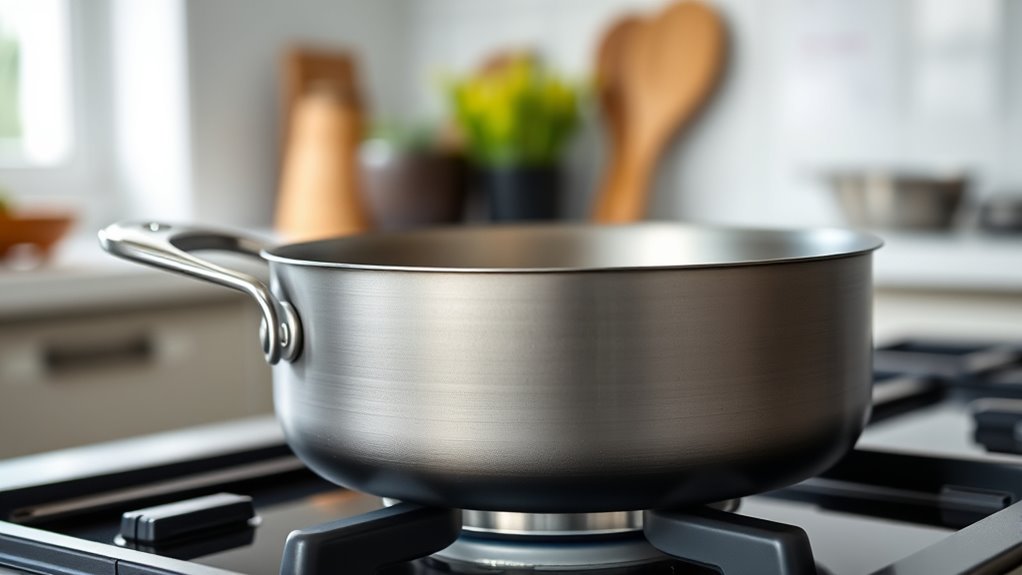
Although it might sound complex, anodized cookware is simply aluminum that’s been treated to create a hard, durable surface. When you use anodized pots or pans, you benefit from cookware that resists scratches, dents, and corrosion much better than regular aluminum. This surface also prevents aluminum from reacting with acidic foods, so your meals won’t taste metallic.
You’ll notice anodized cookware feels smooth and slightly glossy, making it easy to clean and maintain. Plus, it heats evenly, helping you cook food more consistently. If you want cookware that combines lightweight convenience with long-lasting durability, anodized aluminum is a smart choice.
It’s designed to handle everyday cooking demands while keeping its look and performance intact.
How Anodized Cookware Is Made

How does anodized cookware get its tough, glossy surface? You start with a raw piece of metal, usually aluminum, which undergoes an electrochemical process called anodizing. During this, the cookware is submerged in an acid electrolyte bath.
Then, an electric current passes through, creating a controlled oxidation layer on the surface. This layer is much thicker and harder than natural oxidation, making the cookware more durable and resistant to scratches and corrosion.
After anodizing, the cookware often undergoes sealing to close the pores in the anodic layer, enhancing its non-reactive properties. This process also gives the cookware its distinctive shiny finish. By controlling the electric current and bath conditions, manufacturers guarantee consistent quality and performance in your anodized cookware.
What Materials Are Used in Anodized Cookware?
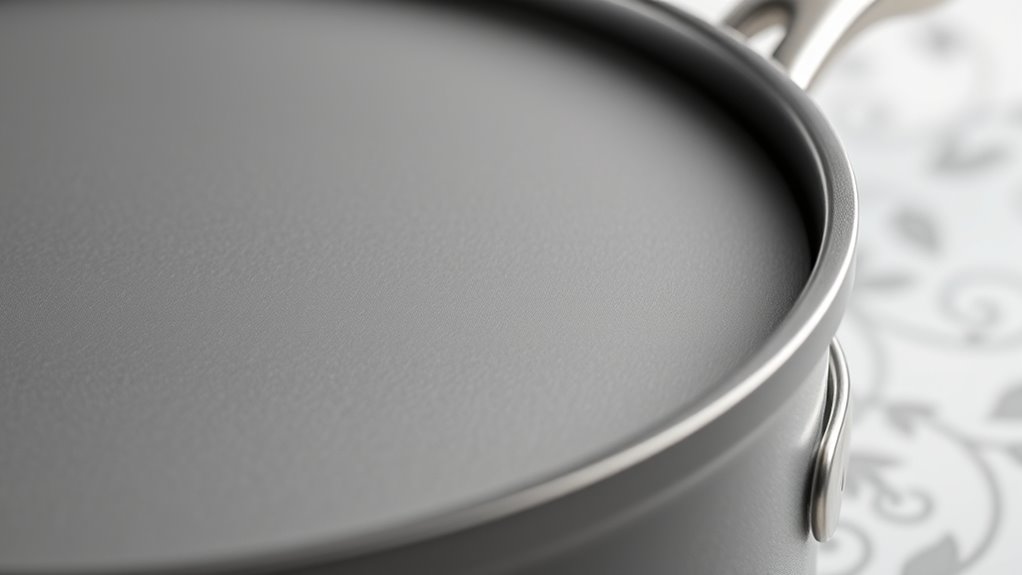
When you choose anodized cookware, you’re usually getting aluminum at its core, prized for its excellent heat conductivity and lightweight nature. The anodizing process transforms the aluminum surface into a hard, non-reactive layer, making it durable and resistant to corrosion.
Besides aluminum, some anodized cookware includes small amounts of other metals like magnesium or silicon to enhance strength and heat distribution. You won’t find non-metal materials involved in the anodizing process itself, as it’s an electrochemical treatment specifically for metals.
The resulting cookware offers a smooth, hard surface that stands up to daily use without warping or scratching easily. So, the key materials here are aluminum and its alloys, all enhanced through anodizing to deliver superior cooking performance.
Types of Anodized Cookware Explained
What sets different anodized cookware apart? Primarily, it’s the type of anodizing process and base aluminum quality. You’ll find two main types: hard-anodized and regular anodized cookware.
Hard-anodized cookware undergoes a more intense process, creating a denser, tougher surface. It often has a darker finish and resists scratches better. Regular anodized cookware is lighter in color and offers good corrosion resistance but isn’t as durable as the hard-anodized kind.
Some anodized pans come with nonstick coatings, enhancing food release, while others rely solely on the anodized surface. Additionally, anodized cookware varies in thickness and shape, affecting heat distribution and cooking style. Understanding these differences helps you pick the right anodized cookware to match your cooking needs.
How Anodizing Improves Durability
Because anodizing transforms the surface of aluminum cookware, it creates a protective layer that markedly boosts durability. This hard layer resists scratches, dents, and corrosion much better than untreated aluminum. When you use anodized cookware, you’ll notice it withstands daily wear and tear without losing its shape or integrity.
The process tightly bonds the oxide layer to the metal, making it tough and long-lasting. Unlike regular aluminum, anodized cookware won’t easily pit or degrade over time, so it stays reliable even with frequent use. This means you can cook confidently, knowing your cookware is built to last.
Why Anodized Cookware Is Non-Reactive
You’ll appreciate that anodized cookware has a protective oxide layer that stops metals from reacting with your food. This layer makes the surface highly resistant to acids, so you won’t get unwanted flavors or discoloration.
Understanding this helps you see why anodized pans are great for cooking all kinds of dishes safely.
Protective Oxide Layer
How does anodized cookware resist reacting with your food? It’s all thanks to the protective oxide layer formed during anodizing. This layer is hard, dense, and chemically stable, creating a barrier between the aluminum base and anything you cook.
Because of this barrier, your cookware won’t react with ingredients, keeping flavors pure and your food safe.
This oxide layer offers several key benefits:
- Prevents aluminum from leaching into your meals
- Stops chemical reactions that could alter taste
- Enhances durability and scratch resistance
- Maintains a smooth, non-porous cooking surface
Resistance To Acids
The protective oxide layer on anodized cookware not only blocks aluminum from mixing with your food but also makes the surface highly resistant to acids. This means you can cook tomato sauces, citrus-based dishes, or vinegar marinades without worrying about metallic taste or corrosion.
Unlike untreated aluminum, anodized cookware won’t react with acidic ingredients, keeping your meals pure and your cookware durable. Here’s a quick look at how anodized cookware compares to other materials in acid resistance:
| Cookware Type | Acid Resistance | Reaction with Food |
|---|---|---|
| Anodized Aluminum | High | Non-reactive, safe |
| Untreated Aluminum | Low | Reacts, can alter flavor |
| Stainless Steel | Moderate to High | Mostly non-reactive |
| Cast Iron | Low | Can rust, reacts with acid |
You’ll appreciate how anodized cookware keeps your cooking safe and flavorful.
How Anodized Cookware Handles Heat
Because anodized cookware features a dense, non-porous surface, it heats up quickly and distributes heat evenly across the cooking surface. When you cook, this means fewer hot spots and more consistent results. You’ll notice your food cooks uniformly, reducing the risk of burning or undercooking.
Anodized cookware heats quickly and evenly, ensuring your food cooks uniformly without burning or undercooking.
Plus, anodized cookware retains heat well, allowing you to maintain stable cooking temperatures.
Here’s what you can expect when handling heat with anodized cookware:
- Rapid heating saves you time in the kitchen
- Even heat distribution ensures consistent cooking
- Excellent heat retention keeps food warm longer
- Durable surface withstands high cooking temperatures
These qualities make anodized cookware a reliable choice for everyday cooking.
Benefits of Anodized Cookware vs. Traditional Cookware
When you compare anodized cookware to traditional options, you’ll quickly see the advantages in durability, heat performance, and maintenance. Anodized cookware resists scratches and dents far better than plain aluminum or stainless steel, so it lasts longer without losing its sleek appearance. You’ll enjoy more even heat distribution, which helps prevent hot spots and ensures your food cooks consistently.
Unlike traditional cookware, anodized surfaces are non-reactive, meaning they won’t interact with acidic foods or alter flavors. Plus, they’re naturally nonstick, reducing the need for excessive oil. This makes your cooking healthier and cleanup easier.
How to Care for Anodized Cookware
Enjoying the benefits of anodized cookware means giving it the right care to keep it performing at its best. You’ll want to avoid harsh scrubbing or metal utensils that can damage the surface. Clean your cookware gently with a soft sponge and mild detergent.
Dry it thoroughly to prevent water spots and maintain its finish. Also, avoid sudden temperature changes to preserve its durability.
To care for your anodized cookware effectively:
- Use non-abrasive sponges or cloths for cleaning
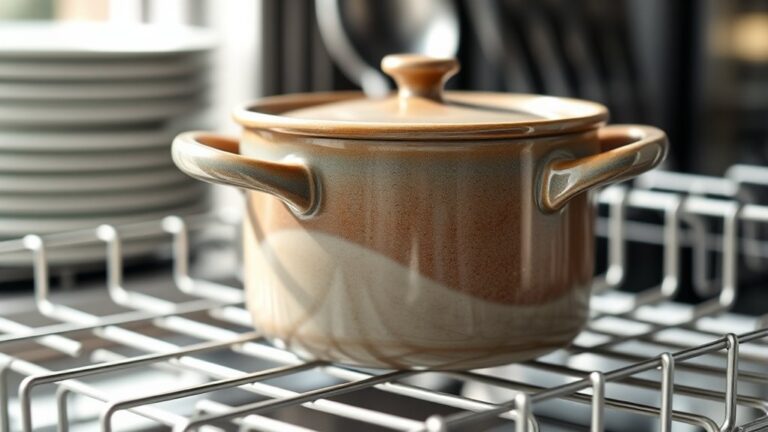
- Hand wash instead of using a dishwasher
- Store carefully to prevent scratches, ideally with pan protectors
- Avoid cooking sprays, which can cause buildup over time
Following these tips helps your cookware stay non-stick and visually appealing for years.
Using Anodized Cookware on Different Stovetops
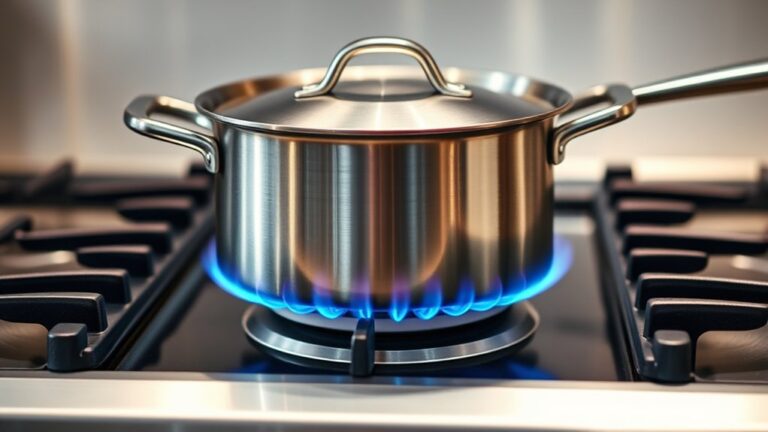
Although anodized cookware is versatile, its performance can vary depending on the type of stovetop you use. On gas stoves, you’ll enjoy quick, even heating since the flames provide direct heat. Just watch the flame size to avoid overheating the cookware’s edges.
Electric coil burners also work well, but heating may be slower and less even, so be patient and adjust the heat gradually. If you use a glass or ceramic stovetop, anodized cookware won’t scratch easily, but avoid sliding it to prevent damage.
For induction stovetops, check if your anodized pan has a magnetic base; otherwise, it won’t heat properly. Understanding these stovetop differences helps you get the best cooking results with your anodized cookware.
Common Myths About Anodized Cookware
Because anodized cookware has unique properties, it often attracts misconceptions that can confuse buyers. You might hear some common myths that aren’t true and could mislead your choices. For example, some believe anodized cookware is fragile, but it’s actually durable and scratch-resistant.
Others worry it’s unsafe, yet it’s non-toxic and won’t leach harmful chemicals. People also think it requires special care, but regular cleaning works fine. Ultimately, some say it’s not good for high heat, though it handles heat well.
Here are the common myths to watch out for:
- Anodized cookware easily scratches or dents
- It’s unsafe for cooking acidic foods
- You need special cleaning products
- It can’t withstand high temperatures
Understanding the facts helps you use anodized cookware confidently.
How to Choose the Right Anodized Cookware for Your Kitchen
When selecting anodized cookware, you’ll want to take into account factors like size, weight, and compatibility with your stove to guarantee it fits your cooking style and kitchen setup. Choose pieces that feel comfortable in your hands—light enough to handle easily but sturdy enough for durability. Check if the cookware works with your stove type, especially if you have induction cooktops.
Consider the cookware’s surface finish; a smooth, even anodized layer prevents sticking and makes cleaning easier. Think about the types of dishes you cook most often and pick sizes accordingly, so you’re not stuck with oversized pots or tiny pans.
Finally, look for trusted brands with good warranties to ensure quality and peace of mind in your kitchen investment.
Frequently Asked Questions
Can Anodized Cookware Be Recycled?
Yes, you can recycle anodized cookware, but it often requires special facilities because of its treated surface. Check with local recycling centers to see if they accept it, or consider donating if it’s still in good shape.
Is Anodized Cookware Dishwasher Safe?
You might picture shiny pans sparkling in your dishwasher, but anodized cookware isn’t dishwasher safe. The harsh detergents can dull its surface, so you’ll want to hand wash it gently to keep that sleek finish bright.
Does Anodized Cookware Contain Any Harmful Chemicals?
No, anodized cookware doesn’t contain harmful chemicals. The anodizing process creates a durable, non-reactive surface that’s safe for cooking.
You can cook confidently without worrying about toxins leaching into your food.
How Long Does Anodized Cookware Typically Last?
Like a trusty sword, your anodized cookware can last a decade or more with proper care. You’ll enjoy its durability, resisting scratches and corrosion, making it a steadfast companion in your kitchen adventures.
Can Anodized Cookware Be Used in the Oven?
Yes, you can use anodized cookware in the oven, but make sure to check the manufacturer’s temperature limit. Most anodized pans handle up to 400-500°F, so avoid overheating to keep them durable and safe.
Using the cookware beyond the recommended temperature can damage the anodized coating. Always follow the care instructions provided to maintain the quality and longevity of your cookware. This will help ensure safe and effective oven use.
Conclusion
When you choose anodized cookware, you’re basically grabbing a superhero for your kitchen—unstoppable, durable, and sleek. It’s like having cookware that laughs in the face of scratches and stains while cooking your meals perfectly every time.
Trust me, once you go anodized, you’ll wonder how you ever survived without it. So go ahead, treat yourself to cookware that’s practically indestructible and watch your cooking game reach legendary status!
Anodized cookware offers unmatched durability and excellent heat conduction, making it a must-have for any kitchen. Its resistance to scratches and stains ensures it stays looking new while delivering top cooking performance. Choose anodized cookware for a long-lasting, reliable, and high-quality cooking experience.