
7 Reasons Cherry Is Good for Cutting Boards
You’ll love cherry wood for cutting boards because it combines durability with a gentle touch on knives, thanks to its balanced hardness. This makes cherry an excellent choice for those seeking both long-lasting performance and knife protection.
Its tight, dense grain not only resists deep cuts but also helps prevent bacterial buildup, ensuring your board stays hygienic and safe for food preparation.
Cherry wood naturally resists warping and cracking due to its natural oils that protect against moisture. Over time, its warm color deepens beautifully, adding timeless charm and elegance to your kitchen.
Maintenance is simple with routine cleaning and oiling, making cherry boards both practical and attractive.
Keep exploring and you’ll discover even more reasons why cherry stands out as a top choice for cutting boards.
Key Takeaways
- Cherry wood’s balanced hardness resists knife dulling while preventing excessive wear, ideal for daily cutting board use.
- Its tight, closed grain and natural oils inhibit bacteria growth, making the board hygienic and easy to clean.
- Cherry wood ages beautifully, developing a warm, rich patina that enhances kitchen aesthetics over time.
- The wood’s natural durability resists dents, warping, and cracking, ensuring a long-lasting cutting surface.
- Cherry is easy to maintain, allowing sanding to remove scratches and preserving smoothness with regular oiling.
Why Cherry Wood’s Hardness Works Perfectly for Cutting Boards

Although cherry wood isn’t the hardest hardwood available, its balanced hardness makes it ideal for cutting boards. You’ll find that cherry provides just the right amount of resistance to knife cuts without dulling your blades too quickly. This balance means your cutting board stays durable while maintaining the sharpness of your knives longer.
Its hardness also helps the board withstand daily wear and tear, so it won’t easily dent or warp. When you use cherry wood, you get a surface that’s tough enough to handle chopping and slicing but gentle enough to preserve your tools. This combination guarantees your cutting board remains functional and attractive through years of use, making cherry a practical choice for your kitchen.
How Cherry Wood Grain Resists Cuts and Bacteria on Cutting Boards

Beyond its balanced hardness, cherry wood’s grain pattern plays a significant role in resisting cuts and bacteria on cutting boards. When you use a cherry cutting board, you benefit from its tight, closed grain, which limits deep knife marks where bacteria love to hide. This grain structure also helps the surface recover quickly from minor cuts, maintaining a smoother, safer cutting area.
Here’s how cherry wood grain works for you:
- Its fine, dense grain reduces the chances of bacteria settling into grooves.
- The subtle natural oils in cherry wood inhibit bacterial growth.
- Smooth grain patterns make cleaning easier, ensuring hygiene after each use.
Choosing cherry means you get a cutting board that naturally stays cleaner and safer for your food prep.
Why Cherry Cutting Boards Stay Durable With Daily Use
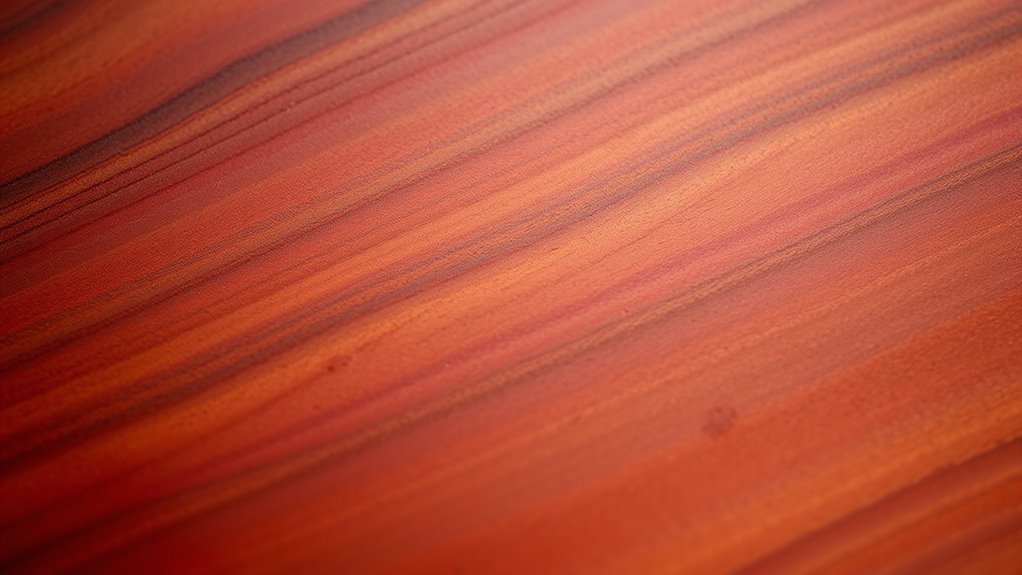
Because cherry wood combines strength with flexibility, your cutting board withstands daily chopping and slicing without warping or cracking. This resilience comes from cherry’s dense fibers that absorb impact yet maintain shape.
Plus, cherry’s natural oils help protect the wood from moisture, reducing the risk of swelling or splitting over time. When you care for your cherry cutting board properly—cleaning and oiling it regularly—you extend its durability even further.
| Feature | Benefit |
|---|---|
| Strength | Resists deep cuts and dents |
| Flexibility | Prevents cracking and warping |
| Natural Oils | Guards against moisture damage |
| Dense Grain | Maintains smooth, even surface |
With these qualities, your cherry cutting board stays reliable for everyday kitchen use.
The Warm, Natural Beauty of Cherry Wood Cutting Boards
You’ll appreciate how cherry wood cutting boards develop a rich, deep color over time, adding warmth to your kitchen. The smooth texture feels inviting every time you prepare a meal. This natural beauty makes cherry boards both functional and visually appealing.
Rich Color Evolution
As cherry wood ages, it deepens into a rich, warm hue that adds character to your cutting board. You’ll notice the natural tones shift from light pinkish-browns to deeper reddish and amber shades. This transformation isn’t just beautiful—it tells a story of time and use, making your board uniquely yours.
Here’s what you can expect with cherry’s color evolution:
- Soft glow that enhances kitchen aesthetics
- Gradual darkening that highlights the wood’s grain
- A warm, inviting surface that complements any décor
Over time, your cherry cutting board becomes more than a tool; it turns into a cherished piece with a distinct personality, reflecting the care and moments shared in your kitchen.
Smooth, Inviting Texture
When you run your hand over a cherry wood cutting board, its smooth, inviting texture immediately stands out. This fine grain surface feels comfortable and natural, making food prep a pleasure. Cherry wood’s softness compared to harder woods means it’s gentle on your knives, preserving their sharpness.
You’ll appreciate how the board’s texture balances durability with a warm, tactile experience.
| Feature | Benefit | Why It Matters |
|---|---|---|
| Fine Grain | Smooth surface | Comfortable to touch |
| Medium Hardness | Knife-friendly | Prolongs blade life |
| Natural Oils | Slightly resistant | Helps prevent drying |
| Warm Texture | Inviting appearance | Enhances kitchen aesthetics |
How Cherry Wood Gets More Beautiful Over Time
You’ll notice cherry wood deepens in color as it ages, developing a richer, warmer tone. Over time, a natural patina forms, adding character and charm to your cutting board.
Plus, the grain contrast becomes more pronounced, making each piece truly unique.
Richer Color Development
Though cherry wood starts with a warm, light tone, it deepens into a rich, reddish-brown hue over time. You’ll notice this transformation as your cutting board ages, gaining character and depth. This natural color development makes cherry especially appealing for kitchen use.
The wood’s pigments react with light and air, enhancing its beauty without extra effort from you. As time goes on, your board can display:
- A glowing, deep amber that highlights grain patterns
- Subtle variations in tone, creating a warm, inviting look
- An elegant, polished appearance that looks good even with daily use
This richer color development means your cherry cutting board doesn’t just serve a purpose—it becomes a charming, evolving centerpiece in your kitchen.
Natural Wood Patina
The rich color development of cherry wood sets the stage for its natural patina, a unique sheen that builds with age and use. As you work with your cherry cutting board, subtle changes in tone and texture emerge, making each piece one of a kind.
This patina not only enhances its beauty but also protects the wood, giving it character and depth. You’ll notice the surface becoming smoother and richer, reflecting the care and stories behind every meal prepared.
| Time in Use | Color Depth | Sheen Level |
|---|---|---|
| New | Light Pinkish | Matte |
| 3 Months | Warm Reddish | Soft Glow |
| 6 Months | Rich Cherry | Noticeable Shine |
| 1 Year | Deep Red-Brown | Glossy |
| 2+ Years | Darker, Warm | Lustrous |
Enhanced Grain Contrast
As cherry wood ages, its grain patterns become more pronounced, creating a striking contrast that enhances the board’s overall beauty. You’ll notice how the subtle variations in color deepen, making each cutting board uniquely attractive. This natural transformation adds character and charm over time, turning a simple kitchen tool into a work of art.
Here’s what you can expect as the grain contrast develops:
- Darker streaks weave through lighter areas, highlighting the wood’s natural flow.
- The smooth surface reflects light differently, emphasizing texture and depth.
- Rich reddish-brown hues evolve, enriching the board’s warm, inviting look.
Choosing cherry means your cutting board not only serves a purpose but also becomes more visually stunning with use.
Maintaining Your Cherry Cutting Board: Cleaning and Oiling Tips
When you use your cherry cutting board regularly, proper cleaning and oiling become essential to keep it in top shape. After each use, wash it with mild soap and warm water—never soak it or put it in the dishwasher, as that can damage the wood. Dry it immediately with a clean towel to prevent warping.
To maintain its rich color and durability, oil your board monthly using food-grade mineral oil or a specialized cutting board oil. Apply a generous amount, let it soak in for a few hours or overnight, then wipe off any excess. Regular oiling replenishes moisture, prevents cracking, and enhances the natural grain.
Comparing Cherry Cutting Boards to Other Popular Wood Options
Although many wood types make excellent cutting boards, cherry stands out for its unique blend of beauty, durability, and ease of maintenance. When you compare cherry to other popular woods like maple, walnut, and bamboo, you’ll see why it’s a favorite choice.
- Maple offers hardness and resistance to scratches but lacks cherry’s warm, rich color that deepens over time.
- Walnut provides a striking dark tone but is softer and can show cuts more quickly.
- Bamboo is eco-friendly and lightweight but tends to be harder on knives and less elegant visually.
Choosing cherry means you get a cutting board that not only performs well but also ages gracefully, adding a touch of natural beauty to your kitchen.
Frequently Asked Questions
Is Cherry Wood Eco-Friendly and Sustainably Sourced?
Yes, cherry wood can be eco-friendly and sustainably sourced if you choose suppliers who follow responsible forestry practices. You should look for certifications like FSC to guarantee the wood is harvested with minimal environmental impact.
Choosing certified wood helps support sustainable forestry and protects ecosystems. Always verify the supplier’s credentials to ensure they adhere to environmental standards.
Can Cherry Cutting Boards Be Used for Both Food Prep and Serving?
When you host a dinner party, you’ll love using your cherry cutting board for both prepping veggies and serving cheese. It’s sturdy enough for chopping and elegant enough to present, making it perfect for dual purposes.
Are Cherry Wood Cutting Boards Safe for Dishwasher Cleaning?
You shouldn’t put cherry wood cutting boards in the dishwasher because the heat and water can warp and crack the wood.
Instead, hand wash them with mild soap and dry immediately to keep them safe and durable.
How Heavy Are Cherry Wood Cutting Boards Compared to Others?
Cherry wood cutting boards are moderately heavy, heavier than maple but lighter than walnut. You’ll find them sturdy yet manageable, so you won’t struggle lifting or moving them during kitchen prep or cleaning sessions.
Do Cherry Wood Boards Cause Allergies or Sensitivities?
You probably won’t react to cherry wood boards, since only about 3% of people have allergies to cherry wood. If you’re sensitive, avoid prolonged skin contact, but most find them safe and comfortable to use.
Conclusion
Choosing a cherry cutting board is like inviting a trusty companion into your kitchen—strong yet gentle, aging like fine wine. Its hardness shields against knife marks, while its grain quietly fends off bacteria, keeping your space safe and stylish.
With daily use, it grows richer, glowing with warm hues that tell a story. By cleaning and oiling regularly, you’ll keep this wooden beauty thriving, standing tall against other options.
When considering quality, durability, and beauty, a cherry cutting board is an excellent choice. Its natural resistance to bacteria and knife marks makes it perfect for any kitchen. Investing in a cherry cutting board means enjoying a durable, safe, and stylish kitchen essential for years to come.