10 Reasons Birch Is Good for Cutting Boards
You’ll appreciate birch cutting boards for their durability, natural antibacterial properties, and knife-friendly smooth surface that helps keep blades sharper longer. Birch wood’s tight grain structure resists deep cuts, warping, and cracking, making it an excellent choice for kitchen use.
Its lightweight and stable build also makes handling easy and efficient in busy cooking environments.
Birch cutting boards are low maintenance—you can clean them quickly without special care, and regular oiling helps preserve their quality over time.
Additionally, birch offers excellent value by balancing strength and aesthetic appeal. There’s plenty more to discover about why birch stands out for kitchens of all kinds.
Key Takeaways
- Birch’s fine, tight grain resists deep cuts and splintering, ensuring a smooth, safe cutting surface.
- High hardness varieties like yellow birch offer excellent durability and resistance to dents and knife marks.
- Natural antibacterial compounds in birch inhibit bacterial growth, promoting a hygienic kitchen environment.
- Birch boards preserve knife sharpness longer due to their smooth, gentle surface and minimal abrasion.
- Easy maintenance with simple cleaning and regular oiling extends board lifespan and maintains appearance.
Why Birch Is an Ideal Wood for Cutting Boards
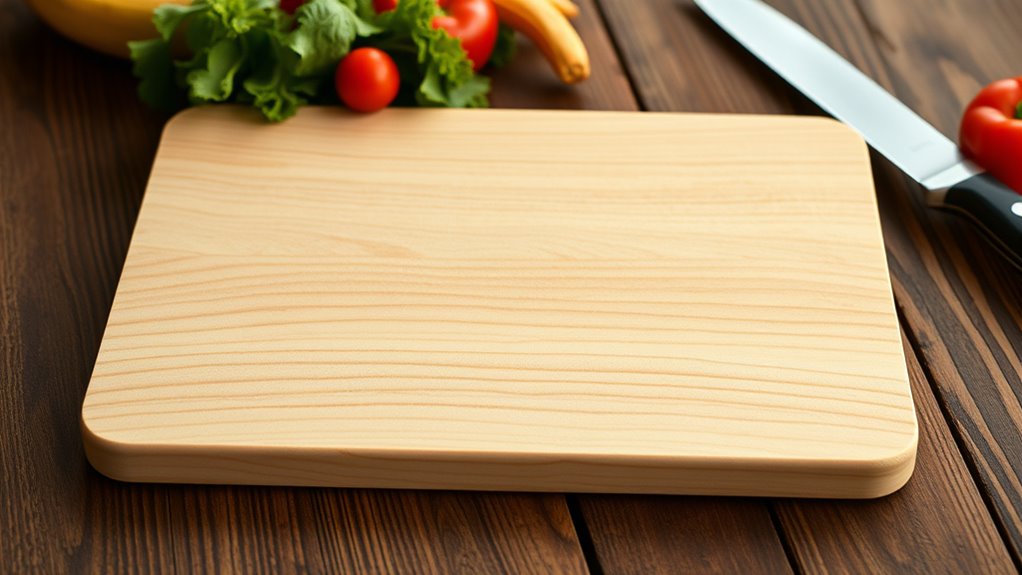
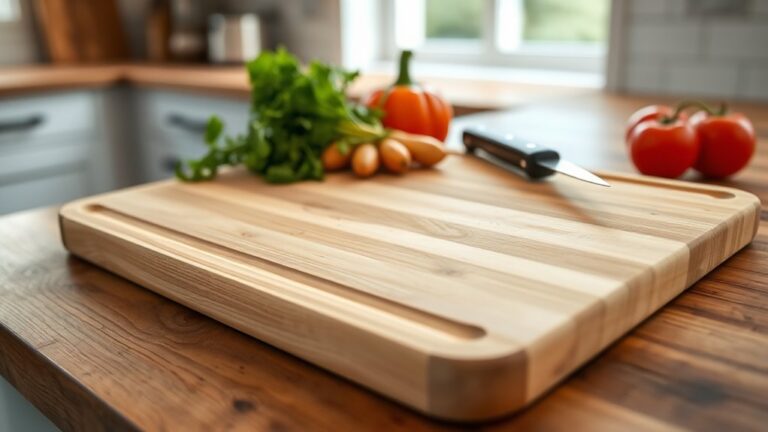
Why should you choose birch for your cutting board? Birch offers a perfect balance of strength and lightness, making it easy to handle yet sturdy enough for daily kitchen tasks. Its natural color is appealing, giving your workspace a clean, bright look.
You’ll find birch boards resist moisture well, reducing the chance of warping or cracking over time. Plus, birch’s smooth surface won’t dull your knives quickly, helping them stay sharper longer. It’s also a sustainable choice since birch trees grow relatively fast and are widely available.
When you pick birch, you’re getting a wood that combines practicality with aesthetic appeal, making it ideal for any cutting board that you’ll use often and want to last.
How Birch’s Tight Grain and Durability Resist Damage
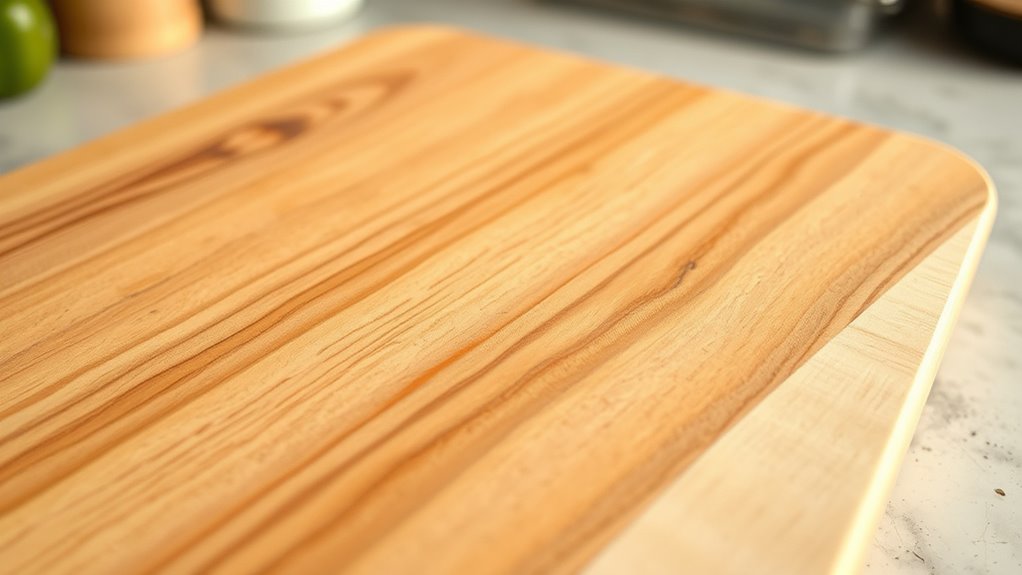
You’ll appreciate how birch’s tight grain structure helps protect your cutting board from deep cuts and scratches. Its high durability means it can handle heavy use without wearing down quickly.
This combination keeps your board looking great and lasting longer.
Tight Grain Structure
Although many woods are prone to deep scratches and dents over time, birch’s tight grain structure helps it resist damage and maintain a smooth surface. When you use a birch cutting board, you’ll notice it doesn’t easily absorb knife marks, keeping your board looking newer longer. The closely packed grain fibers create a dense surface that stands up well to repeated cutting and chopping.
This means less wear and tear and fewer grooves where bacteria can hide. Plus, the tight grain reduces the chance of splintering, ensuring your board stays safe and reliable. So, if you want a cutting board that holds up well day after day, birch’s tight grain makes it a smart and practical choice for your kitchen.
High Durability Benefits
Birch cutting boards offer exceptional durability thanks to their tight grain and resilient wood fibers. This structure helps the board resist deep cuts and dents, making it last longer under daily use. You’ll find that birch stands up well to knives without splintering, preserving both the board and your blades.
Its natural strength also prevents warping and cracking, even when exposed to moisture. Here’s a quick comparison to show why birch excels:
| Feature | Birch | Other Woods |
|---|---|---|
| Grain Tightness | Very tight | Moderate to loose |
| Resistance to Cuts | High | Medium to low |
| Moisture Handling | Good (less warping) | Varies |
| Longevity | Long-lasting | Often shorter life |
Choosing birch means you get a tough, reliable cutting board you can count on.
How Birch’s Natural Properties Make It Antibacterial
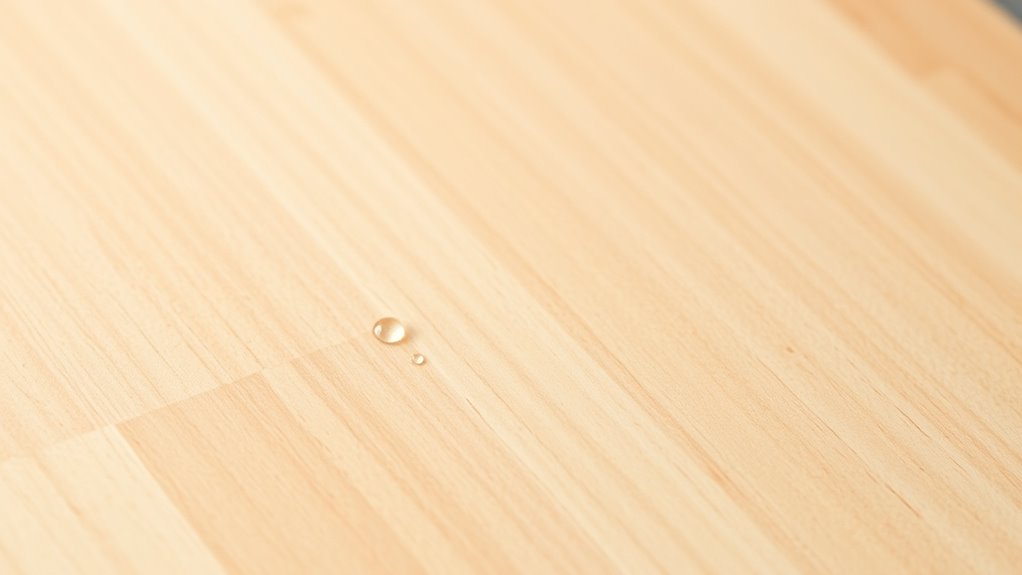
When you use a cutting board made from birch, you benefit from its natural antibacterial properties that help keep your kitchen safer. Birch contains compounds like betulin and other phytochemicals that inhibit bacterial growth on its surface. This means harmful microbes don’t easily thrive, reducing the risk of cross-contamination when preparing food.
You don’t need to worry as much about bacteria lingering after washing, as birch’s natural makeup supports a cleaner environment. Additionally, its tight grain structure limits moisture absorption, preventing bacteria from penetrating the wood.
Why Birch’s Smooth Surface Is Gentle on Your Knives
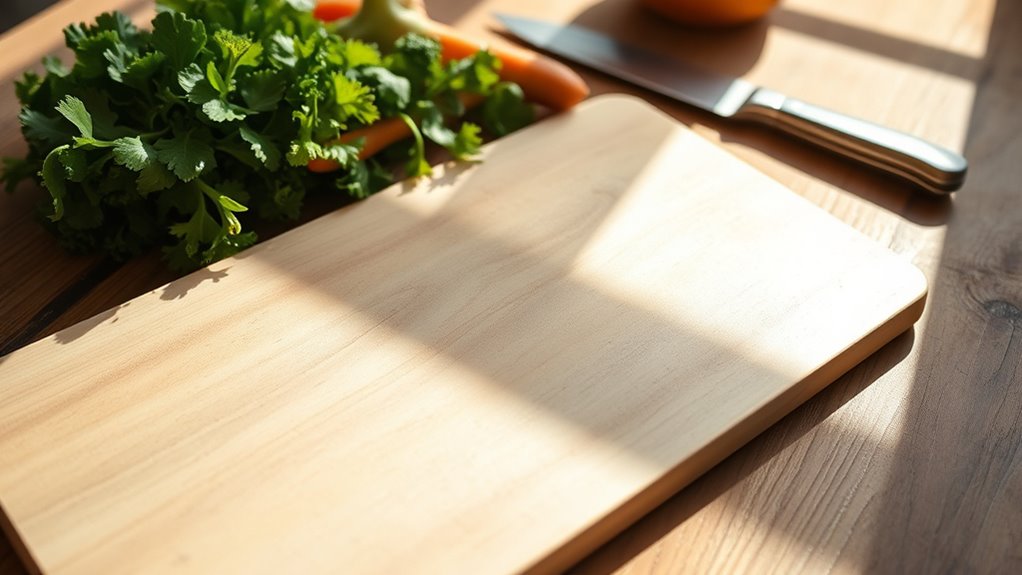
Because its surface is naturally smooth, birch cutting boards help preserve the sharpness of your knives longer than many other woods. When you slice or chop, a rough or uneven board can dull your blades quickly. Birch’s fine, tight grain minimizes abrasion, allowing your knives to glide effortlessly.
This means you won’t need to sharpen your knives as often, saving you time and effort. Plus, the smoothness reduces the risk of small nicks or chips forming on your blade edges. When you use a birch board, you’re protecting your investment in quality knives while maintaining their performance.
How Birch Boards Stay Stable Without Warping or Cracking
If you want a cutting board that won’t warp or crack over time, you’ll appreciate how birch handles moisture and temperature changes. Birch wood has a tight grain structure that resists absorbing too much water, which helps keep the board stable. When you use it in your kitchen, birch naturally controls expansion and contraction caused by humidity fluctuations.
This means you can confidently use your birch cutting board without worrying about it bending or splitting. Additionally, birch’s density balances durability with flexibility, allowing it to absorb impacts without damage. By choosing birch, you get a reliable surface that stays flat and intact, giving you peace of mind during daily food prep.
You won’t have to replace it frequently due to warping or cracking.
Why Birch Cutting Boards Are Easy to Clean and Maintain
You’ll appreciate how birch cutting boards naturally resist bacteria, making them safer for daily use. Cleaning them is straightforward—just a quick wash with mild soap and warm water does the trick.
This simple routine keeps your board fresh and ready for any meal prep.
Natural Antibacterial Properties
Although many wood types require extra care to stay hygienic, birch naturally resists bacteria, making your cutting board easier to clean and maintain. Birch contains natural compounds that inhibit bacterial growth, so harmful microbes have a harder time settling into the surface. This means you don’t have to worry as much about lingering germs after food prep.
The wood’s tight grain also prevents moisture from penetrating deeply, reducing the chance for bacteria to hide and multiply. Because of these natural antibacterial properties, your birch cutting board stays safer and fresher for longer. You’ll find it less prone to odors and staining, too.
When you choose birch, you’re opting for a cutting board that supports hygiene effortlessly, making your kitchen work smoother and healthier.
Simple Cleaning Routine
Birch’s natural resistance to bacteria means you don’t have to spend extra time scrubbing or worrying about hidden germs. Cleaning your birch cutting board is straightforward: just wash it with warm, soapy water after each use and rinse well. Avoid soaking it or putting it in the dishwasher, as excessive moisture can damage the wood.
After washing, dry it promptly with a clean towel to prevent warping and cracking. Occasionally, you can rub it with mineral oil to keep the surface smooth and less prone to stains. This simple routine helps maintain your board’s appearance and hygiene without hassle.
With birch, you get a practical cutting board that’s easy to clean and keeps your kitchen safe and tidy.
Why Birch Cutting Boards Give You Great Value
When choosing a cutting board, you want one that balances quality and cost, and birch delivers on both fronts. Birch cutting boards offer durability without a hefty price tag, so you get a reliable kitchen tool that won’t break your budget. They resist knife marks and warping better than many softer woods, meaning your board lasts longer and maintains its smooth surface.
Plus, birch’s natural antibacterial properties help keep your food prep safe, reducing the need for constant replacement. You won’t have to sacrifice performance for affordability with birch. Its combination of strength, easy maintenance, and attractive appearance means you invest once and enjoy a cutting board that performs well day after day, giving you excellent value over time.
Which Birch Varieties Work Best for Cutting Boards?
When choosing birch for your cutting board, you’ll want to take into account hardness levels and how grain patterns affect durability. Some birch varieties handle wear and maintenance better than others, making them ideal for kitchen use.
Let’s explore which types offer the best balance of strength and care.
Hardness Levels Comparison
Understanding the hardness levels of different birch varieties helps you choose the best wood for your cutting board. Yellow birch rates higher on the Janka hardness scale, around 1260, making it more resistant to dents and knife marks. White birch, softer at approximately 910, offers a gentler surface but may wear faster with heavy use.
Sweet birch, close to yellow birch in hardness, provides a sturdy, durable option as well. If you want a cutting board that balances durability and knife friendliness, yellow or sweet birch are great picks. However, if you prefer a softer board that’s easier on your knives but might need replacement sooner, white birch works fine.
Knowing these hardness differences helps you pick a birch board that fits your kitchen demands perfectly.
Grain Patterns Impact
Grain patterns play a crucial role in the performance and appearance of your birch cutting board. When selecting birch varieties, you’ll find that fine, straight grains offer a smooth surface that’s gentle on knives and easy to clean. Yellow birch, known for its tight, consistent grain, works well for cutting boards because it resists warping and looks elegant.
Paper birch, with its slightly more open grain, provides a unique texture but may require closer inspection to guarantee uniformity. Avoid birch with overly coarse or irregular grain patterns, as these can create weak spots and uneven surfaces. By choosing birch with a stable, fine grain, you’ll guarantee your cutting board stays functional and visually appealing for years to come.
Durability And Maintenance
Since durability directly affects how long your cutting board will last, choosing the right birch variety is essential. Yellow birch and sweet birch stand out for their hardness and resistance to wear, making them ideal for cutting boards. These varieties handle daily chopping without significant dents or scratches.
Maintenance is straightforward—you’ll only need to oil your board regularly to keep it from drying out and cracking. Avoid birch types that are softer or have inconsistent grain, as they may absorb moisture and warp over time. With proper care, birch cutting boards stay durable and attractive, providing a reliable surface for food prep.
Why Birch Cutting Boards Suit Both Professional and Home Kitchens
Although both professional chefs and home cooks have different needs, birch cutting boards meet their demands with ease. If you’re running a busy kitchen or preparing meals at home, you’ll appreciate birch’s sturdy yet gentle surface that won’t dull your knives quickly. Its tight grain resists deep cuts and bacteria, keeping your workspace hygienic whether you’re slicing vegetables or carving meats.
You’ll also find birch boards lightweight enough for easy handling but durable enough to withstand daily use. Plus, their natural, smooth finish offers an attractive look that fits any kitchen style. Whether you need reliability for constant chopping or a dependable surface for occasional cooking, birch cutting boards adapt well, making them a smart choice for every kitchen environment.
How to Care for Birch Cutting Boards
To keep your birch cutting board in top shape, you’ll want to follow a simple routine that preserves its durability and appearance. After each use, wash your board with warm, soapy water, then rinse and dry it thoroughly. Avoid soaking it or putting it in the dishwasher, as excessive moisture can cause warping or cracking.
Regularly oil your board with food-safe mineral oil or beeswax to maintain moisture balance and prevent drying out. Apply the oil evenly, let it soak in for a few hours, then wipe off any excess. If stains or odors develop, sprinkle coarse salt and rub with a lemon half to refresh the surface naturally.
With these easy steps, your birch cutting board will stay reliable and beautiful for years.
Frequently Asked Questions
Can Birch Cutting Boards Be Used for Serving as Well as Cutting?
Yes, you can definitely use birch cutting boards for serving as well as cutting. They have a smooth surface and attractive grain that make them great for presenting food, while still being durable enough for chopping and slicing.
Birch boards combine functionality with aesthetics, making them versatile kitchen tools. Their natural look adds a rustic charm to any table setting. This makes them ideal for both food preparation and serving.
Are Birch Cutting Boards Safe for Use With All Types of Food?
Yes, you can safely use birch cutting boards with all types of food. Just make sure to clean and maintain them properly to prevent bacteria buildup and avoid cross-contamination between raw meats and other foods.
How Heavy Are Birch Cutting Boards Compared to Other Woods?
Birch cutting boards are generally lighter than hardwoods like maple or walnut, so you’ll find them easier to handle and move around. They strike a good balance between weight and durability for everyday kitchen use.
Can Birch Cutting Boards Be Customized With Engravings or Designs?
Yes, you can customize birch cutting boards with engravings or designs. Birch’s smooth surface takes laser engraving well, letting you add personalized patterns, names, or logos easily. This makes for a unique, special kitchen accessory.
Do Birch Cutting Boards Have Any Environmental or Sustainability Certifications?
Yes, you can find birch cutting boards with FSC or PEFC certifications, ensuring the wood comes from responsibly managed forests. Choosing these helps you support sustainable practices and reduces environmental impact while enjoying your cutting board.
Conclusion
Choosing birch for your cutting board is like having a trusty sidekick in the kitchen—durable, gentle on knives, and naturally antibacterial. Its tight grain keeps it strong and stable, resisting warping and cracking, while offering great value for your investment. Whether you’re a home cook or a pro, birch boards blend function with beauty.
With a little care, your birch cutting board will stay sharp and dependable, ready to tackle every meal you create. Birch cutting boards are an excellent choice for anyone looking for durability, knife-friendliness, and long-lasting performance. Investing in a birch cutting board means you get a reliable, attractive, and practical kitchen essential that will serve you well for years.