Do Induction Cooktops Make Noise and How to Reduce It
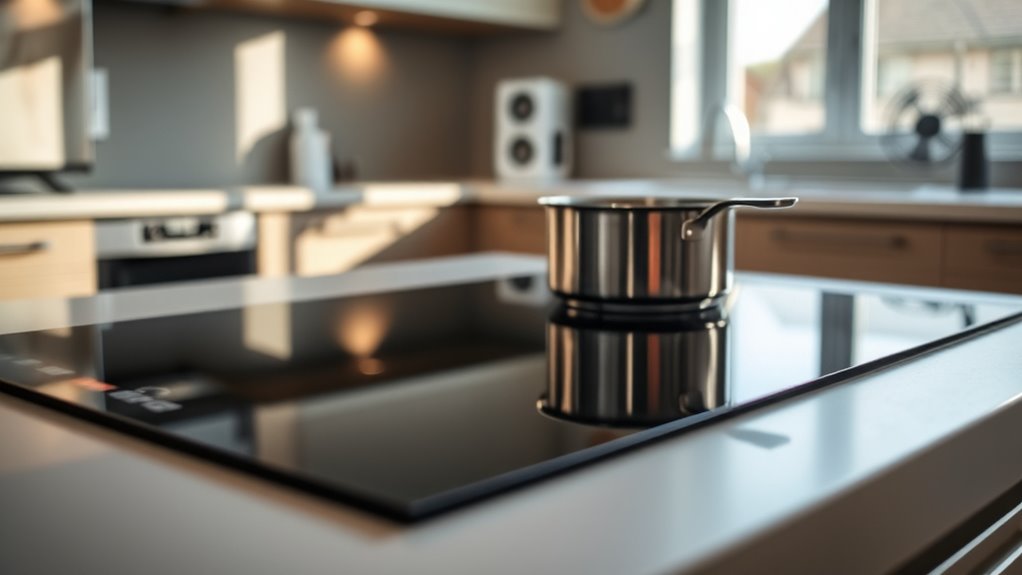
Yes, your induction cooktop can make noise like humming, buzzing, or clicking, especially at higher power settings. These sounds are common with induction cooking and come from internal fans, electromagnetic vibrations in cookware, and rapid power adjustments.
Understanding why induction cooktops make noise can help you manage and reduce these sounds effectively.
To reduce noise, use heavy, flat-bottomed cookware made of magnetic stainless steel or cast iron. Ensure your cooktop is properly installed with good ventilation and placed on a stable surface.
If you want to explore the causes and solutions in more detail, there’s plenty more to learn about managing induction cooktop noise.
Key Takeaways
- Induction cooktops produce normal humming, buzzing, clicking, and fan noises during operation due to electromagnetic vibrations and cooling needs.
- Heavy, flat, and magnetic cookware like cast iron or stainless steel reduces vibration and associated noise effectively.
- Proper installation on stable, ventilated surfaces minimizes vibrations and fan noise by ensuring secure mounting and airflow.
- Lowering power settings when possible decreases electromagnetic activity, reducing noise levels during cooking.
- Persistent loud, grinding, or rattling noises may indicate faults and require professional inspection to prevent damage.
Why Does My Induction Cooktop Make Noise?
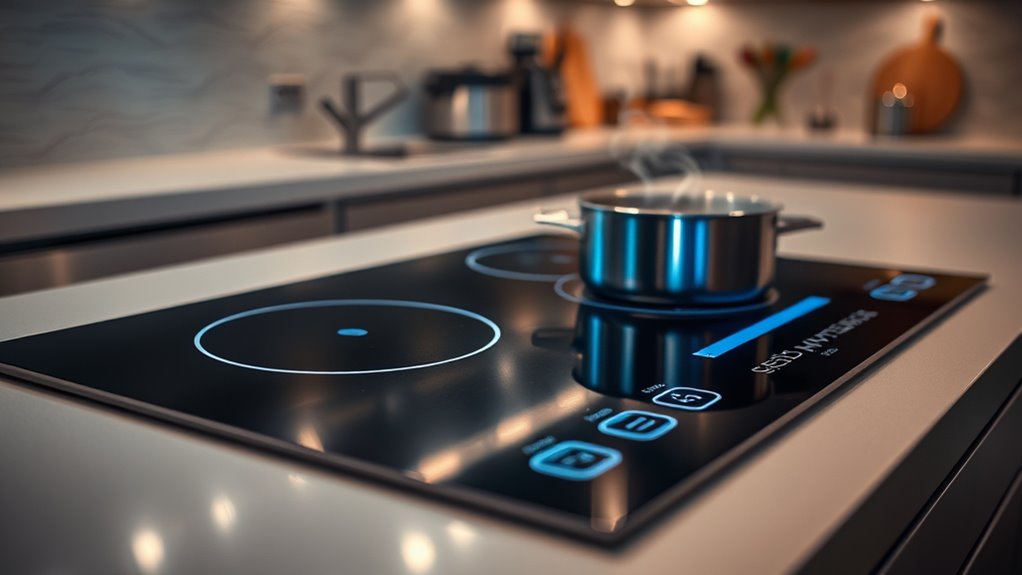
Although induction cooktops are known for their quiet operation, you might notice some noise during use. This noise usually comes from the internal cooling fan working to prevent overheating. When you cook at higher power levels, the fan speeds up, creating a noticeable hum.
You might also hear a faint buzzing or humming from the electromagnetic field that heats your cookware. This happens because the cooktop uses rapidly changing magnetic fields, which can cause slight vibrations in your pots or pans. Additionally, the type and material of your cookware can influence the sound.
Thin or lightweight pans tend to produce more noise due to increased vibrations. Understanding these causes helps you realize that the noise is normal and usually indicates your cooktop is functioning correctly.
What Types of Noise Do Induction Cooktops Produce?
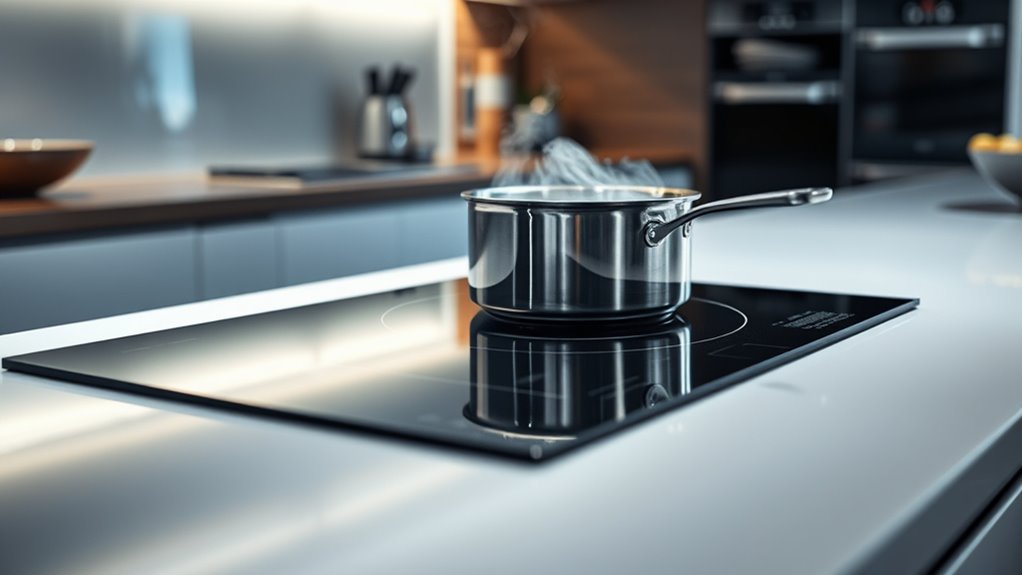
You might notice a few different sounds coming from your induction cooktop, like humming, buzzing, or clicking. These noises come from how the cooktop operates and the materials you use.
Let’s look at what causes each sound and how loud or frequent they usually are.
Common Induction Cooktop Sounds
What kinds of sounds should you expect from an induction cooktop? You’ll typically hear a low humming or buzzing noise when it’s on, especially at higher power settings. Some models produce a faint clicking or ticking sound as the electronics adjust the magnetic field.
You might also notice a slight whirring from built-in cooling fans working to keep the cooktop components cool. Occasionally, a rattling or vibrating noise can occur if your cookware isn’t perfectly flat on the surface. These sounds are generally normal and indicate your cooktop is functioning properly.
If you pay attention, you’ll recognize these common noises and won’t be alarmed when they happen during cooking. Understanding these sounds helps you use your induction cooktop with confidence.
Causes of Cooktop Noise
Since induction cooktops rely on electromagnetic fields to heat cookware, they naturally produce various sounds during operation. You might hear a buzzing or humming noise caused by the coil vibrating as it generates the magnetic field. Another common sound is a clicking or popping, which happens when the cooktop rapidly switches power levels to maintain consistent heat.
You could also notice a high-pitched whine, especially when cooking at high temperatures, due to the electrical components working harder. Additionally, some models emit a faint fan noise, as built-in cooling systems activate to prevent overheating. Understanding these noises helps you recognize normal operation versus potential issues, so you can enjoy your induction cooktop without unnecessary worry.
Frequency and Volume Levels
Although induction cooktops produce a range of noises, their frequency and volume levels vary depending on factors like power settings and cookware material. You might hear a low hum at lower power levels, while higher settings can trigger a sharper buzzing or whining sound. The noise frequency usually falls within the audible range but can differ based on the cooktop’s design and the magnetic properties of your cookware.
Thin or lightweight pots often cause more noticeable vibrations, increasing noise volume. Some cooktops emit a clicking sound when switching power levels or adjusting temperature. If you’re sensitive to noise, selecting heavy, flat-bottomed cookware and running the cooktop at moderate settings can help keep sounds quieter and less distracting during cooking.
Is Induction Cooktop Noise Normal or a Problem?
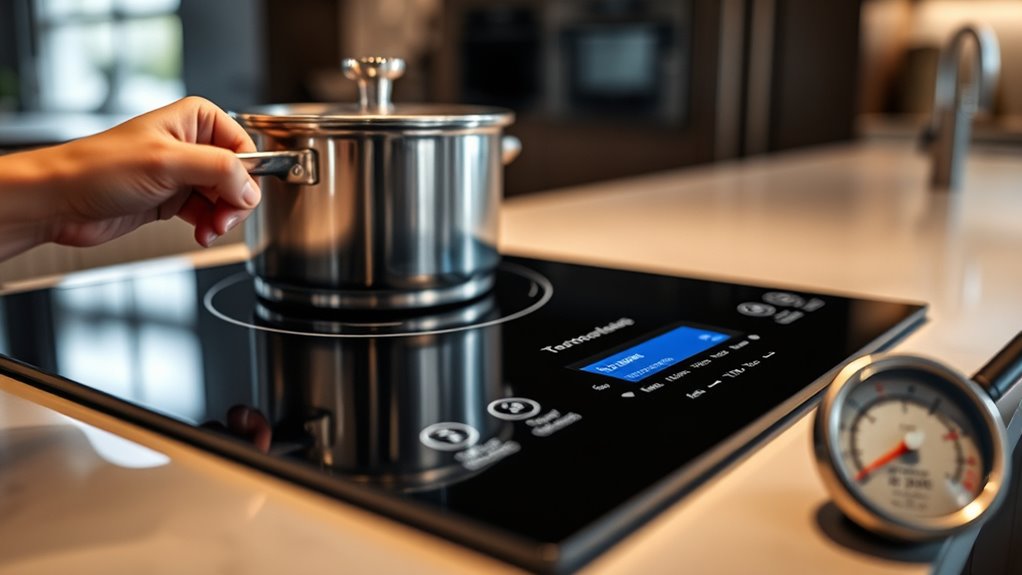
When you hear noises from your induction cooktop, you might wonder if they’re a sign of a problem or just part of normal operation. Generally, some noise is completely normal. Induction cooktops use electromagnetic fields to heat cookware, which can cause a humming, buzzing, or clicking sound during use.
These sounds usually indicate the cooktop is working as intended. However, if you notice unusually loud, grinding, or rattling noises, it could signal an issue like a loose component or fan malfunction. Pay attention to when and how often the noise occurs.
If the sound interferes with cooking or gets worse over time, it’s wise to have a professional inspect your cooktop. Otherwise, minor noise is typically nothing to worry about.
How Does Cookware Affect Induction Cooktop Noise?
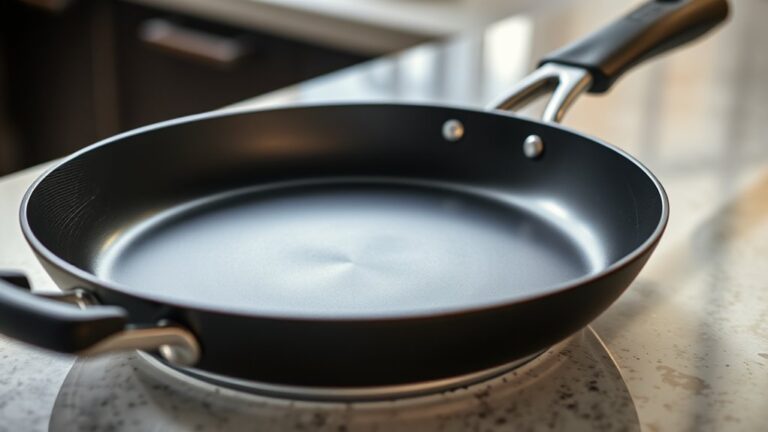
How much noise your induction cooktop makes often depends on the cookware you use. Induction cooktops generate magnetic fields that heat the pan directly, so the material and construction of your pots and pans can influence the sound produced. Thin or lightweight cookware tends to vibrate more, causing higher-pitched noises or buzzing sounds.
On the other hand, heavier and thicker cookware typically absorbs vibrations better, resulting in quieter operation. Additionally, uneven or warped bases can create irregular contact with the cooktop surface, increasing noise levels. The size and shape of the cookware relative to the heating zone also play a role—if the pan is too small or mismatched, you might hear more noise.
Being aware of these factors helps you understand why your induction cooktop sounds the way it does during use.
How to Choose Quiet Cookware for Your Induction Cooktop
To minimize noise from your induction cooktop, you’ll want to select cookware designed to reduce vibrations and buzzing. Choosing the right pots and pans can make a big difference in noise levels while cooking.
Selecting cookware that reduces vibrations can significantly lower noise from your induction cooktop while cooking.
Here’s how to pick quieter cookware:
- Opt for heavy-bottomed pans, which stabilize heat and cut down on vibrations.
- Choose cookware with a smooth, flat base for better contact with the cooktop surface.
- Avoid thin, lightweight materials like aluminum alone; instead, pick cookware with multiple layers or stainless steel cores.
- Look for cookware specifically labeled as induction-compatible and noise-reducing.
How to Reduce Induction Cooktop Buzzing and Humming
To cut down on buzzing and humming, start by choosing cookware made from materials that work well with your induction cooktop. You can also reduce noise by adjusting the power settings to a lower level when possible.
These simple changes can make a noticeable difference in your cooking experience.
Adjust Cookware Material
Although induction cooktops are designed for efficiency, the type of cookware you use can markedly influence the noise they produce. Some materials vibrate more, causing that annoying buzzing or humming sound. To reduce noise, consider these tips:
- Choose cookware with a thick, flat bottom to ensure stable contact and less vibration.
- Opt for pots and pans made from magnetic stainless steel or cast iron, which work best with induction and minimize noise.
- Avoid lightweight or warped cookware, as they tend to create more sound due to uneven heating.
- Test different brands and materials to find ones that run quietly on your specific cooktop.
Adjusting your cookware material can notably lower noise, making your cooking experience more pleasant.
Manage Power Settings
Three key power settings on your induction cooktop can considerably influence the buzzing and humming you hear. By managing these settings, you can reduce unwanted noise while maintaining efficient cooking. Lower power levels typically produce less noise, while higher settings might increase buzzing due to faster electromagnetic activity.
Additionally, some cooktops offer a “boost” mode, which can cause louder sounds temporarily. You can experiment with these settings to find a balance between performance and noise.
| Power Setting | Noise Level | Cooking Impact |
|---|---|---|
| Low | Minimal buzzing | Slower, gentle heating |
| Medium | Moderate buzzing | Balanced cooking speed |
| High/Boost | Noticeable buzzing | Fastest heating, noisy |
Adjusting power settings helps you control noise without sacrificing cooking quality.
Does Installation or Placement Affect Induction Cooktop Noise?
When you install or place your induction cooktop, you might not realize how much it influences the noise it produces. Proper installation and placement can minimize vibrations and humming sounds, making your cooking experience quieter.
Here’s how placement affects noise:
- Stable Surface – Make sure your cooktop rests on a flat, sturdy countertop to reduce rattling.
- Ventilation Space – Leave enough clearance around the unit for airflow; restricted ventilation can cause fan noise.
- Distance from Walls – Avoid placing the cooktop too close to walls or cabinets to prevent sound reflection and amplification.
- Secure Mounting – Properly fasten the cooktop to avoid movement during use, which can increase noise levels.
When Should You Call a Professional About Induction Cooktop Noise?
If your induction cooktop starts producing unusually loud or persistent noises despite proper installation and placement, it’s time to call a professional. You shouldn’t overlook grinding, buzzing, or rattling sounds that don’t stop or worsen over time. These noises may signal internal component issues like a faulty fan, coil problems, or electrical faults that require expert diagnosis.
Attempting repairs yourself can void warranties or cause further damage. Also, if your cooktop intermittently shuts off or displays error codes alongside noise, a technician can safely troubleshoot and fix the root cause. Calling a professional ensures your cooktop remains safe, efficient, and quiet.
Don’t wait until minor noise turns into a bigger problem—get expert help promptly to protect your investment.
Routine Maintenance Tips for a Quiet Induction Cooktop
Although induction cooktops are designed for quiet operation, regular maintenance plays a key role in keeping noise levels low and performance ideal. You can prevent unnecessary sounds by keeping your cooktop in top shape.
Here are four routine maintenance tips to follow:
- Clean the surface regularly – Wipe spills and residue promptly to avoid buildup that may cause buzzing.
- Check cookware compatibility – Use flat, ferrous-bottomed pots and pans to minimize noise.
- Inspect ventilation areas – Keep vents free of dust and debris to ensure proper cooling and reduce fan noise.
- Avoid overheating – Don’t run the cooktop at maximum power for extended periods, which can increase fan activity and noise.
Frequently Asked Questions
Can Induction Cooktops Interfere With Pacemakers or Medical Devices?
Induction cooktops can potentially interfere with pacemakers or medical devices due to electromagnetic fields. You should consult your doctor before use, keep a safe distance, and follow manufacturer guidelines to minimize any risk of interference.
Are Induction Cooktops More Energy-Efficient Than Gas Stoves?
Induction cooktops are like a laser beam, focusing heat directly on your pot, making them more energy-efficient than gas stoves. You’ll save energy because less heat escapes, cooking faster and reducing your utility bills.
This direct heating method means more energy goes into cooking your food rather than warming up the kitchen. As a result, induction cooktops can cut down on energy waste significantly.
What Safety Features Do Induction Cooktops Have?
Induction cooktops have safety features like auto shut-off when no pan’s detected, child locks, and overheat protection. You’ll appreciate how they cool quickly and prevent burns, making cooking safer for you and your family.
How Long Do Induction Cooktops Typically Last?
Induction cooktops usually last 10-15 years, like a reliable old friend in your kitchen. If you treat them well, keeping them clean and avoiding scratches, they’ll serve you efficiently for a long time without fuss.
Can Induction Cooktops Be Used With Non-Magnetic Cookware?
You can’t use non-magnetic cookware on induction cooktops because they rely on magnetic fields. Stick to cast iron or stainless steel with magnetic properties to guarantee your cooktop heats properly and cooks your food efficiently.
Conclusion
Induction cooktop noise can buzz, hum, or even vibrate, but you don’t have to live with it. You can choose quieter cookware, adjust your cooking settings, and guarantee proper installation to minimize sound.
Perform routine maintenance and know when to call a professional. By understanding why your cooktop makes noise and taking simple actions, you can enjoy a peaceful kitchen without sacrificing the speed and efficiency of induction cooking.
Reducing induction cooktop noise is achievable with the right steps. Choosing the right cookware, adjusting settings, and ensuring proper installation are key. With these tips, you can enjoy a quieter cooking experience and the many benefits of induction cooking.