How to Dispose of Old Cookware
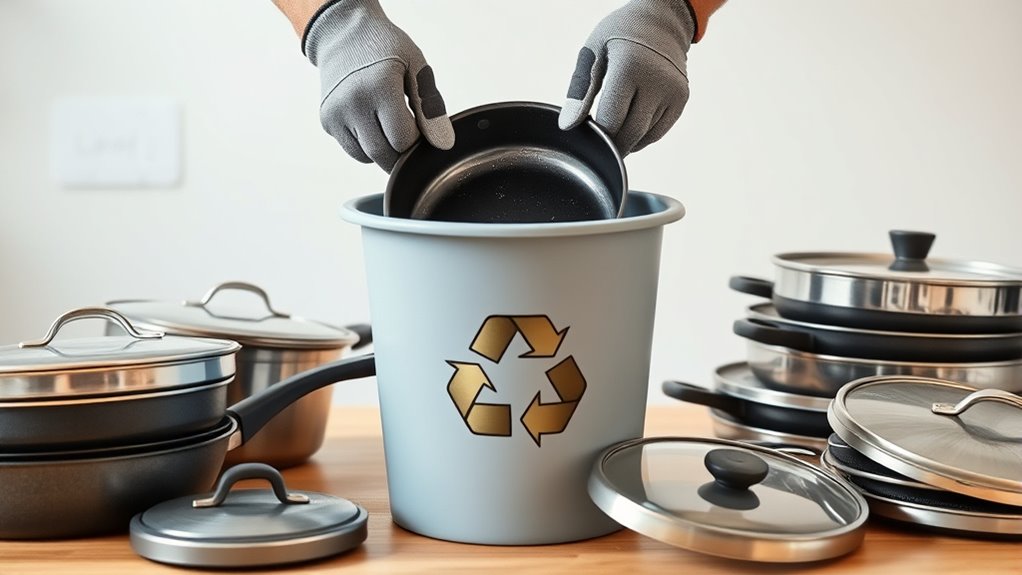
You can dispose of old cookware responsibly by recycling metal items such as stainless steel or aluminum at scrap metal facilities. Properly cleaning and separating these materials first is essential for effective recycling. Recycling helps reduce waste and supports environmental sustainability.
If your cookware is still in usable condition, consider donating it to local charities or listing it online for others to use. This extends the life of your cookware and benefits the community.
When recycling isn’t an option, try repurposing pots creatively for other uses around your home. Otherwise, follow local guidelines for the safe disposal of non-recyclable materials.
Exploring these options ensures you handle old cookware in an eco-friendly and responsible way.
Key Takeaways
- Clean and separate metal cookware for recycling at local scrap metal facilities or recycling centers.
- Donate usable cookware to thrift stores, shelters, or online platforms like Freecycle and Facebook Marketplace.
- Repurpose old cookware creatively as planters, bird feeders, or home decor to extend its life.
- Dispose of non-recyclable or damaged cookware responsibly following local hazardous waste guidelines.
- Remove non-metal parts, such as plastic handles, before recycling to meet facility requirements.
Can You Recycle Your Old Cookware? How to Tell
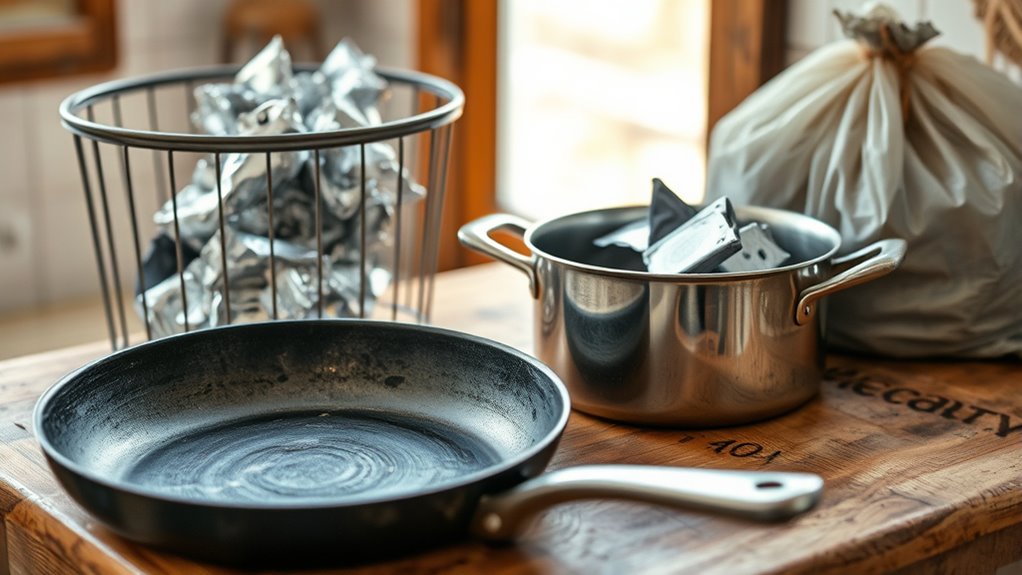
Wondering whether you can recycle your old cookware? It depends on the materials. Metal pots and pans, like those made of stainless steel or aluminum, are usually recyclable.
You’ll want to check if your local recycling program accepts scrap metal. Avoid recycling non-stick or Teflon-coated cookware in curbside bins, as these coatings can’t be processed. Cast iron is often accepted by scrap metal recyclers, but double-check first.
Ceramic, glass, or enamel cookware generally isn’t recyclable through regular programs and often needs special handling. To tell if your cookware is recyclable, look for metal content and check your local guidelines. If unsure, contacting your waste management authority can save you time and effort.
Where to Recycle Different Types of Cookware Near You
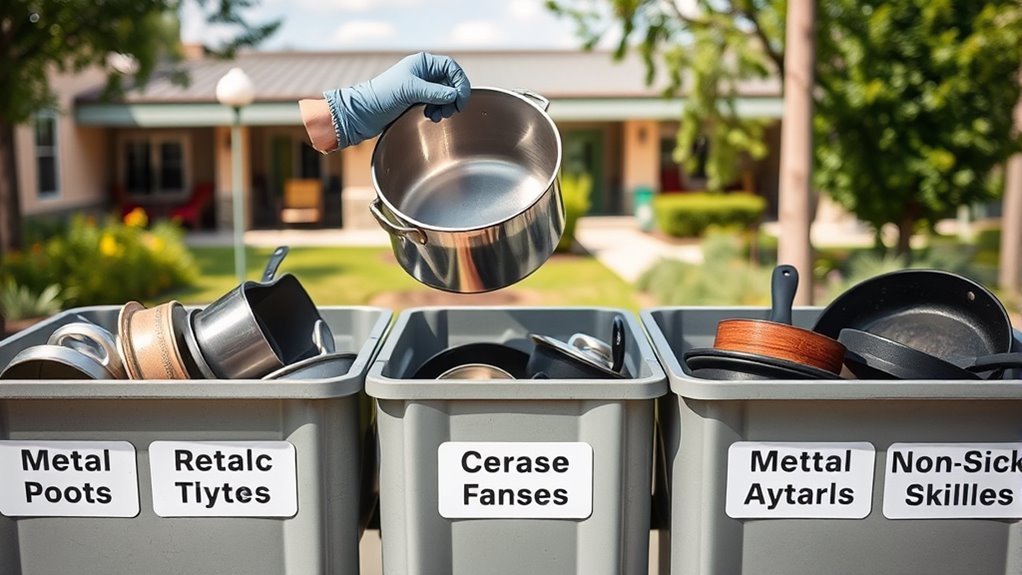
You can recycle different types of cookware by checking with local recycling centers that accept metals and certain non-stick pans. Some specialty programs focus on specific cookware brands or materials, making it easier to recycle properly.
Scrap metal facilities are also a great option for metal pots and pans that can be repurposed.
Local Recycling Centers
Where can you take old pots, pans, and other cookware for recycling? Local recycling centers are a great option. Many centers accept metal cookware, especially those made of stainless steel, aluminum, or cast iron.
Before heading out, check your center’s website or call to confirm they accept cookware and learn if you need to prep items, like removing plastic handles. Some centers have drop-off points specifically for scrap metal, which often includes cookware. If your cookware has non-metal parts, you might need to separate them first.
Keep in mind, not all centers accept non-metal cookware, so verifying beforehand saves time. Using your local recycling center helps reduce landfill waste and supports material reuse in your community.
Specialty Cookware Programs
How do you recycle cookware that doesn’t fit standard metal recycling programs? Specialty cookware programs are your best bet. These programs accept items like ceramic, non-stick pans, cast iron, or cookware with mixed materials that regular centers won’t take.
Check if local kitchen stores or community recycling events offer take-back programs specifically for cookware. Some manufacturers also run mail-in recycling for their products. You can find these by visiting their websites or calling customer service.
Additionally, non-profits sometimes organize collection drives for cookware donations or recycling. Before dropping off, confirm what materials they accept and if any preparation is needed, like cleaning the items. Using specialty programs guarantees your cookware is responsibly recycled or repurposed, keeping hazardous materials out of landfills and supporting sustainability.
Scrap Metal Facilities
Looking to recycle your old pots and pans? Scrap metal facilities are a great option for disposing of various types of cookware responsibly. Most metal cookware, including stainless steel, cast iron, and aluminum, can be accepted at these centers.
Before heading out, check if your local scrap yard requires you to separate materials or remove non-metal parts like plastic handles. You can usually find nearby scrap metal facilities through a quick online search or by contacting your city’s waste management service.
Dropping off your old cookware at these facilities helps reduce landfill waste and supports metal recycling efforts. Just be sure to call ahead to confirm what items they accept and any preparation guidelines to make the process smooth and efficient.
Preparing Cookware for Donation or Recycling: Cleaning and Sorting Tips
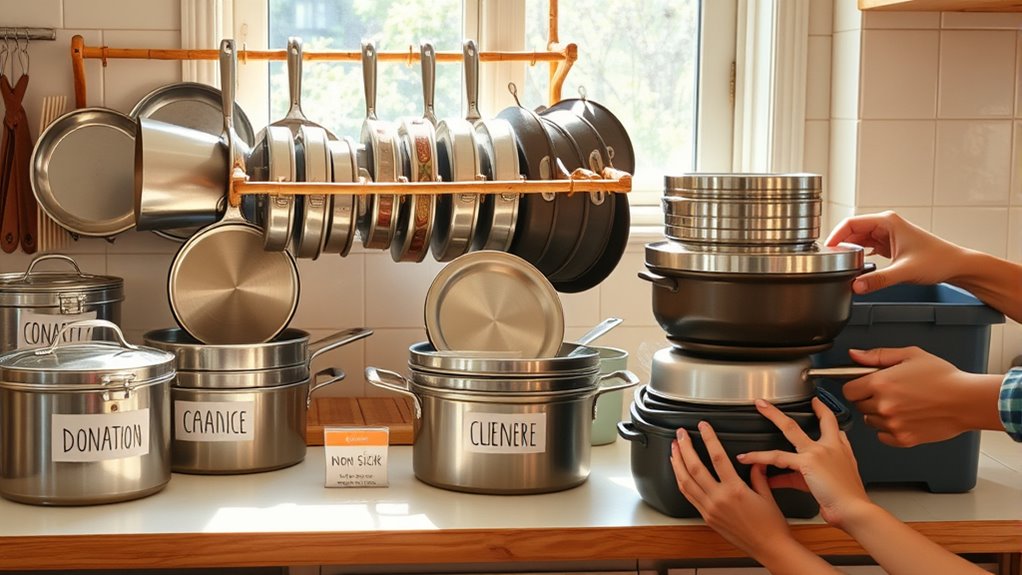
Before you donate or recycle your old cookware, you’ll want to give each piece a thorough cleaning to remove food residue and stains. Use warm, soapy water and a scrub brush or sponge to get rid of grease and burnt-on bits. Rinse and dry them completely to prevent rust or mold.
Next, sort your cookware by material—aluminum, stainless steel, cast iron, or non-stick—since recycling centers and donation programs often require separation. Check for any damaged items like cracked pots or warped pans; these usually can’t be donated but may still be recyclable.
How to Donate Usable Pots and Pans in Your Community
You can donate your usable pots and pans to local donation centers, community groups, or shelters that often need kitchen supplies. Online donation platforms also make it easy to connect with people in your area who could use them.
Just make sure your cookware is clean and in good condition before giving it away.
Local Donation Centers
Wondering where to give your gently used pots and pans a second life? Local donation centers are a great option. These centers often accept cookware in good condition and connect it with people who need it.
Start by checking with nearby thrift stores, community recycling hubs, or donation drop-off points. Before donating, make sure your cookware is clean and free of damage. Call ahead or visit their websites to confirm they accept kitchen items, as policies can vary.
Dropping off your items at these centers not only helps reduce waste but also supports local initiatives. By choosing local donation centers, you guarantee your cookware reaches others quickly and efficiently, giving your old pots and pans a meaningful new purpose in your community.
Community Groups and Shelters
Local donation centers offer a solid start for passing on your cookware, but community groups and shelters often provide direct support to families and individuals in need.
When you donate usable pots and pans to these organizations, you help someone cook their first meal in a new home or prepare food during tough times.
Before donating, make sure your cookware is clean and in good condition.
| Situation | How Your Donation Helps |
|---|---|
| Homeless shelters | Provides essential cooking tools |
| Family support groups | Enables home-cooked meals |
| Refugee centers | Supports cultural food practices |
| Community kitchens | Prepares meals for many in need |
Your donation brings comfort and dignity to those rebuilding their lives.
Online Donation Platforms
When you have usable pots and pans to donate, online donation platforms connect you directly with people and organizations in your community who need them. These platforms make it easy to list your items, arrange pickups, or find drop-off locations.
To get started, follow these simple steps:
- Choose a reliable platform like Freecycle, Craigslist, or Facebook Marketplace.
- Create a clear, honest description of your cookware with photos.
- Set your location to reach local recipients.
- Coordinate with interested parties to finalize the donation safely.
How to Repurpose Old Cookware Creatively at Home
Although old cookware may no longer serve its original purpose, you can easily transform it into functional and decorative items around your home. Turn a worn-out skillet into a rustic wall clock by adding clock hands and numbers. Use old pots as unique planters for herbs or succulents, perfect for your kitchen windowsill or garden.
Convert lids into chalkboards for notes or grocery lists by painting their surfaces with chalkboard paint. You can also stack mismatched pots and pans to create quirky storage containers or bird feeders. With a little creativity, you’ll give your old cookware a new life while adding charm and practicality to your living space—all without spending extra money or generating waste.
Responsible Disposal: How to Safely Get Rid of Non-Recyclable Cookware
Not every piece of old cookware can be repurposed, and when it’s time to part ways, you’ll want to dispose of it responsibly. Non-recyclable cookware often contains mixed materials or hazardous coatings, so tossing it in the trash isn’t ideal. Instead, follow these steps to ensure safe disposal:
- Check local regulations – Some areas have special disposal rules for hazardous items.
- Separate parts – Remove handles or lids if they can be recycled separately.
- Use designated drop-off sites – Many communities offer facilities for household hazardous waste.
- Wrap sharp edges – Safely cover any sharp or broken parts to protect waste handlers.
How Scrap Metal Recycling Works for Old Cookware
If you want to give your old cookware a new life, scrap metal recycling is a great option. First, you’ll need to separate metal cookware from non-metal items, ensuring it’s clean and free of food residue. Then, you can take your pots and pans to a local scrap metal recycling center.
These centers sort metals by type—like stainless steel or aluminum—before melting them down. The molten metal is purified and formed into new raw materials, which manufacturers use to create new products. By recycling, you reduce waste and conserve natural resources.
Tips for Choosing Eco-Friendly Cookware Next Time
When choosing eco-friendly cookware, you’ll want to focus on materials that are durable, non-toxic, and recyclable. This helps reduce waste and keeps harmful chemicals out of your kitchen and the environment. Here are some tips to guide your next purchase:
- Opt for stainless steel or cast iron – both last long and can be recycled.
- Avoid non-stick coatings with PFOA or PTFE, which release toxic fumes when overheated.
- Consider ceramic or glass cookware, as they’re non-toxic and often made from natural materials.
- Check for brands with sustainable practices, including minimal packaging and ethical sourcing.
Frequently Asked Questions
How Can I Fix Minor Damages on Old Cookware?
You can fix minor damages by sanding scratches, resealing with food-safe oil, or filling small chips with high-temperature epoxy. Tighten loose handles with screws or adhesive, and always clean thoroughly before repairing to guarantee a good bond.
What Materials Are Cookware Made From?
Did you know 60% of cookware is made from stainless steel? You’ll find cookware made from materials like aluminum, cast iron, copper, nonstick coatings, and ceramic, each offering different heat conduction and durability for your cooking needs.
Are There Health Risks With Using Scratched Non-Stick Pans?
Yes, scratched non-stick pans can release harmful chemicals when heated. You shouldn’t use them if the coating’s damaged, as this might affect your health.
It’s safer to replace scratched non-stick cookware promptly.
How Long Does Cookware Typically Last?
Like a trusty steed, your cookware usually lasts 5 to 10 years if you treat it well.
But if it’s scratched or warped, don’t hesitate to replace it—you deserve safe, reliable kitchen tools.
Can Old Cookware Affect Cooking Performance?
Yes, old cookware can affect your cooking performance by causing uneven heat distribution and sticking. You’ll find food cooks inconsistently, and it might even alter flavors.
Upgrading helps you cook more efficiently and enjoy better results.
Conclusion
Don’t just toss your old cookware like it’s yesterday’s leftovers—your pots and pans deserve a second chance! Whether you recycle, donate, or repurpose them, you’re saving the planet one skillet at a time. Imagine turning that rusty pan into a quirky flower pot or recycling metal that powers future gadgets.
With a little effort, you’re not just disposing—you’re becoming an eco-hero. Your old cookware’s next adventure starts with you! Proper disposal of old cookware helps reduce waste, supports recycling efforts, and promotes sustainable living.